The Role of a Mexican Notary (Notario Publico) in Real Estate Transactions
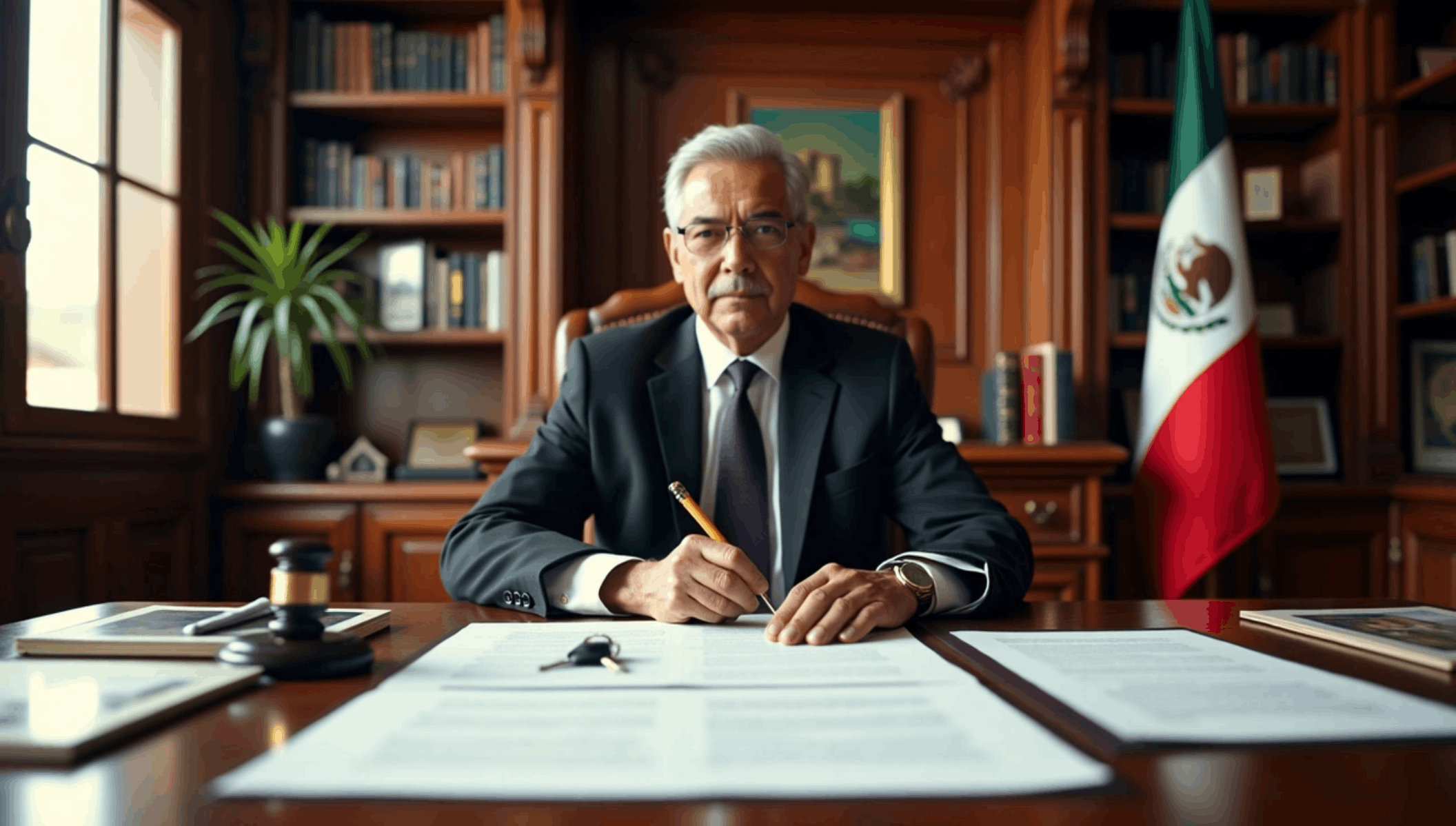
If you’re buying property in Mexico, one professional will play a central role in your transaction: the Notario Público.
For many Canadians and Americans, the word “notary” sounds familiar, but in Mexico, it carries a much deeper legal weight. The Notario Público is not simply someone who witnesses signatures. They are a highly trained attorney appointed by the state, entrusted with giving legal certainty to some of the most important transactions in the country, including real estate.
In fact, no property sale in Mexico can be finalized without a Notario.
At Paradise Listings, one of the first things we do with our clients is explain how the legal process of buying property in the Riviera Maya works — who does what, and why each professional matters. The Notario Público is a cornerstone of that structure. They ensure the transaction is formalized correctly, taxes are paid, and the property is properly registered in your name.
In this article, we’ll walk you through:
What makes a Mexican Notario different from a notary in the U.S. or Canada
Their key responsibilities in a real estate transaction
Why independent legal guidance still matters
How Paradise Listings helps you navigate the process smoothly
By the end, you’ll have a clear understanding of the Notario Público’s central role and how the right advisory team makes the experience seamless.
What makes a Notario Publico different from a Notary in the US or Canada?
The
In the United States or Canada, a notary public typically has a a more limited function than in Mexico. They:
Verify identity
Witness signatures
Administer oaths
Certify copies of documents
They do not draft contracts.
They do not oversee property transfers.
They do not assume legal responsibility for the transaction itself.
In Mexico, however, a Notario Público is a completely different figure.
A Notario Público in Mexico is:
A licensed attorney
Appointed by the state government
Granted public authority to formalize legal acts
Personally responsible for ensuring compliance with the law
Becoming a Notario is one of the most competitive legal paths in Mexico. Candidates must:
Hold a law degree
Complete years of professional legal experience
Pass rigorous state examinations
Be officially appointed by the governor of the state
They are not merely witnessing a transaction. They are certifying its legality and giving it formal public validity.
In real estate, this distinction is significant.
In the U.S. or Canada, real estate closings are typically handled by lawyers, title companies, or escrow agents, with a notary simply witnessing signatures at the end.
In Mexico, the Notario Público plays a central legal role in the closing process. They draft and formalize the public deed (Escritura Pública), calculate and collect applicable taxes, ensure compliance with municipal and state regulations, and register the property with the Public Registry.
Without a Notario, the transfer of ownership cannot legally occur.
So while the title may sound familiar, the authority behind it is far more substantial.
Understanding this difference is key because it helps you see how the Mexican system is structured: not around private title companies, but around a state-appointed legal authority who formalizes and validates the transaction.
Key responsibilities of a Mexican Notary in real estate
In Mexico, the Notario is the legal authority who formalizes the transfer of property. Their role is procedural, legal, and regulatory — ensuring that the transaction complies with Mexican law and is properly recorded.
Here are their primary responsibilities:
1. Verifying Legal Status of the Property
Before a sale can be finalized, the Notario conducts a legal review of the property’s status.
This includes confirming:
The seller is the legal owner of record
The property is properly registered
There are no recorded liens, encumbrances, or claims
Property taxes (Predial) are current
The cadastral information matches registry records
This step provides legal certainty that the asset being transferred is valid and free of registered burdens.
2. Drafting and Formalizing the Escritura Pública
In Mexico, property ownership is transferred through a public deed known as the Escritura Pública.
The Notario prepares this document, which includes:
Full legal description of the property
Official registry details
Purchase price
Buyer and seller information
Payment terms
Any applicable conditions
The deed must be signed before the Notario in order to be legally valid. Once signed, it becomes a formal public instrument under Mexican law.
3. Calculating and Collecting Taxes and Closing Costs
The Notario is responsible for calculating and collecting all government-related fees associated with the transaction.
This typically includes:
Acquisition tax (ISAI)
Registration fees
Appraisal-related documentation
Certification costs
In cases where capital gains tax applies to the seller, the Notario ensures it is properly calculated and reported.
One of the advantages of the Mexican system is that closing costs and taxes are centralized and handled directly through the Notario’s office — reducing fragmentation in the process.
4. Coordinating Foreign Ownership Structures
If you are a foreign buyer purchasing property within Mexico’s restricted zone (which includes coastal areas like the Riviera Maya), a bank trust structure — known as a fideicomiso — is typically required.
The Notario coordinates the legal documentation required to formalize:
The trust agreement
Your designation as beneficiary
Compliance with federal regulations
Registration of your beneficial rights
They ensure the structure is legally valid and properly recorded.
5. Registering the Deed with the Public Registry
After signing, the Notario submits the Escritura Pública to the Public Registry of Property.
This is a critical step.
Only once the deed is registered are you officially recognized as the legal owner under Mexican law.
The registration process can take time depending on the municipality, but it is the final stage that completes the transfer.
In short, the Notario ensures that the transaction:
Is legally valid
Complies with tax and regulatory requirements
Is formally recorded in public records
They are the legal gatekeeper of the transfer.
Why you still need a lawyer even with a Notario
At this point, you might be thinking:
If the Notario Público verifies ownership, drafts the deed, calculates taxes, and registers the property… why would I need a separate lawyer?
It’s a fair question — and an important one.
The answer lies in understanding the distinction between formalizing a transaction and advising a client.
The Notario’s role is to ensure that the transaction complies with Mexican law. They act as a neutral public authority. They do not represent the buyer. They do not represent the seller. They are responsible for the legality of the act itself.
What they do not do is:
Negotiate contract terms on your behalf
Advise you on whether the purchase structure benefits you long term
Evaluate developer risk in a presale
Strategize around tax optimization
Review private purchase agreements before you sign
Assess whether a payment schedule protects you
In other words, the Notario validates the transaction, but they do not advocate for your interests.
And this is where independent legal review becomes invaluable.
An Additional Layer of Protection
At Paradise Listings, we work alongside an independent legal team who reviews transactions from the buyer’s perspective.
This means:
Purchase agreements are reviewed before signing
Developer documentation is assessed
Corporate sellers are verified
Payment structures are analyzed
Trust structures are clearly explained
Tax implications are considered
This additional layer is especially important in:
Presale projects
High-value transactions
Developer-financed purchases
Corporate-owned properties
Mexico’s system is designed around the Notario as the public legal authority. That works well, but as a foreign buyer making a significant investment, having independent guidance ensures you’re not simply compliant… you’re informed.
Now, You Understand the Role of the Notario Publico in Mexico
By now, you can see that the Notario Público is not a peripheral figure in a Mexican real estate transaction. They are central to it.
They are the public legal authority who:
Formalizes the transfer of ownership
Ensures taxes are properly calculated and paid
Drafts and certifies the Escritura Pública
Registers your property with the Public Registry
Without a Notario, there is no legally recognized transfer.
But understanding their role also clarifies something equally important: their responsibility is to the legality of the transaction itself, not to the personal strategy of the buyer.
And that distinction is where informed decision-making begins.
Mexico’s real estate system is structured, regulated, and well-established. When navigated correctly, it offers strong legal certainty. The key is knowing who does what and making sure you have the right professionals supporting you at each stage.
At Paradise Listings, we guide our clients through this process with clarity and intention. We coordinate with the Notario, work alongside independent legal counsel, and ensure every step — from offer to registration — is handled thoughtfully and strategically.
Because buying property in Mexico isn’t just a transaction.
It’s a life decision.
Whether you’re retiring in the Riviera Maya, investing in a presale, or purchasing your first home in Mexico, understanding the role of the Notario Público empowers you to move forward with confidence.
And when you’re ready to take that step, our team is here to guide you with expertise, transparency, and a commitment to protecting your interests every step of the way.
FAQ
-
A Notario Público in Mexico is a highly trained attorney appointed by the state with the authority to formalize and certify legal acts, including real estate transfers.
In the U.S. or Canada, a notary public typically only verifies identity and witnesses signatures. They do not draft deeds, calculate taxes, or oversee property transfers.
-
A Notario Público is required to legally formalize the transfer of ownership. They draft the Escritura Pública (public deed), calculate and collect applicable taxes, and register the property with the Public Registry.
Without a Notario, a property sale cannot be legally completed in Mexico.
-
In most cases, yes, especially as a foreign buyer.
The Notario ensures the transaction complies with the law, but they do not represent your personal interests or provide strategic advice. An independent lawyer can review contracts, evaluate risks, and ensure the purchase structure aligns with your financial and long-term goals.