Buying Property in Mexico as a Canadian or American: Step-by-Step Guide (2026)
Thinking about buying property in Mexico as a foreigner? It's a dream for many Americans and Canadians looking for a vacation spot, an investment, or just a change of scenery. The good news is, owning a piece of Mexico is totally possible and often easier than you might think. This guide is here to walk you through the whole process, step by step, so you know exactly what to expect when buying property in Mexico as a foreigner.
Key Takeaways
Foreigners can legally own property in Mexico, either directly or through a bank trust (fideicomiso) for coastal/border areas.
Work with a certified real estate agent and a reputable notary public to ensure a smooth and legal transaction.
Understand the difference between the 'Restricted Zone' (coastal/border) requiring a fideicomiso, and the 'Free Zone' allowing direct ownership.
Financing often involves cash, developer plans, or financing in your home country, as Mexican mortgages for foreigners are limited.
Budget for closing costs (7-10% of purchase price).
Understanding the Legalities: The Restricted Zone vs. The Free Zone
When buying property in Mexico as a foreigner, the first thing you'll run into is understanding where you can buy and how. It really boils down to two main areas: the Restricted Zone and the Free Zone. It sounds a bit dramatic, but it's a pretty straightforward concept once you get the hang of it.
Purchasing Property in the Restricted Zone: Coastal and Border Areas
So, what exactly is the Restricted Zone? Basically, it's any land within 100 kilometers (about 62 miles) of Mexico's international borders or within 50 kilometers (about 31 miles) of its coastlines. Think beaches, border towns, that sort of thing. As a foreigner, you can't directly own land in this zone under your own name. This rule comes from Mexico's constitution, designed to protect national interests.
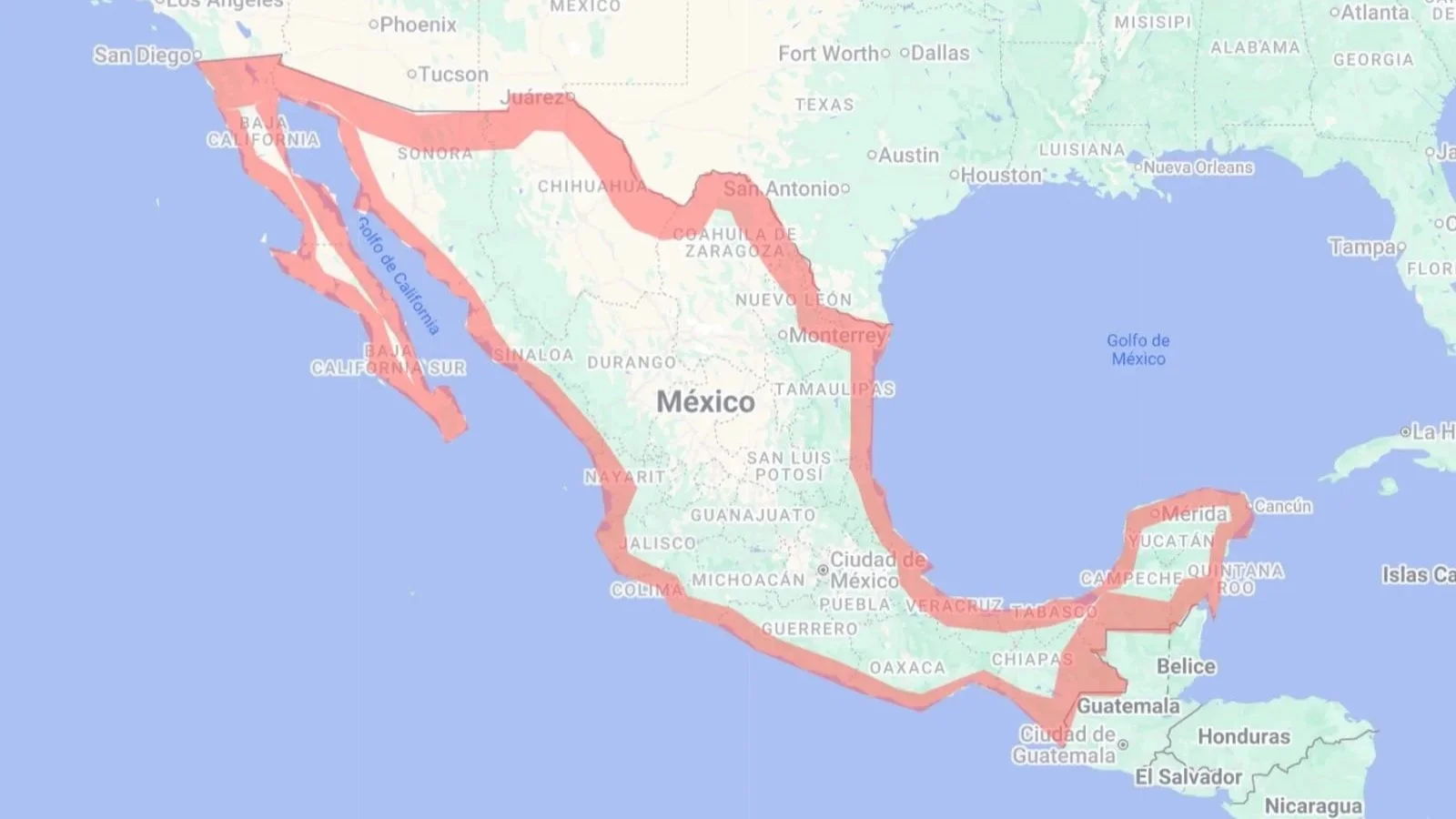
Mexico’s Restricted Zones covers any land within 100 kilometers (about 62 miles) of Mexico's international borders or within 50 kilometers (about 31 miles) of its coastlines. Foreign ownership within this zone is done through a bank trust (fideicomiso).
But don't let that stop you! There are perfectly legal and common ways for foreigners to own property here. The most popular method is through a fideicomiso, which is essentially a bank trust. Here's how it generally works:
The Bank Trust (Fideicomiso): A Mexican bank acts as the trustee, holding the legal title to the property. You, the buyer, are the beneficiary of the trust. This means you have full rights to use, enjoy, sell, rent, or pass down the property just as if you owned it directly.
Permit Required: To set up a fideicomiso, you'll need a permit from Mexico's Ministry of Foreign Affairs. Your lawyer or notary will handle this part.
Duration: These trusts are typically set up for 50-year terms and are renewable indefinitely.
Another option for owning property in the Restricted Zone is by setting up a Mexican corporation. This is often used for commercial properties or larger investment portfolios. However, for personal residential use, the fideicomiso is usually the go-to.
It's important to remember that while these structures add a layer to the process, they are well-established and secure. Millions of foreigners have successfully purchased property in these desirable areas using the fideicomiso system. The key is working with reputable professionals who understand these legalities inside and out.
If you're looking at property outside of these zones – say, in a charming colonial city further inland – you can typically purchase it directly under your own name with a standard deed, just like you would in the US or Canada. This is often referred to as the "Free Zone" in contrast to the Restricted Zone.
Financing Your Mexican Property Purchase
So, you've found the perfect spot in Mexico, maybe a condo overlooking the ocean or a quiet casita in the jungle. Now comes the big question: how do you actually pay for it? This is where things can get a little different from buying back home, especially when you're thinking about how to buy property in Mexico as a Canadian or American. Getting a mortgage in Mexico as a foreigner isn't as straightforward as it is in the US or Canada.
Mortgages in Mexico: Are They Available for Foreigners?
For a long time, traditional Mexican mortgages for non-residents were pretty scarce. Banks here tend to prefer lending to Mexican citizens or those with established credit and residency in the country. This means that if you're looking to finance a significant portion of your purchase, you might face some hurdles. Most foreigners end up paying cash or using funds from their home country. If you're set on a mortgage, your best bet might be with larger developers offering financing on pre-construction projects, or exploring specialized lenders who cater to foreign buyers. It's not impossible, but it definitely requires more research and often comes with higher interest rates and shorter terms than you might be used to.
Alternative Financing Options
Don't let the mortgage situation discourage you! There are several other ways to make your Mexican property dreams a reality. Many Canadians and Americans successfully purchase property in Mexico using these methods:
Cash Purchase: This is the most common route. Many buyers save up and pay outright, avoiding interest and simplifying the process. You'll typically transfer funds via wire transfer to an account in USD or Mexican Pesos.
Home Equity Loan or Line of Credit (HELOC) from Your Home Country: You can borrow against the equity in your existing home in the US or Canada. This allows you to use your established credit and potentially get better interest rates than you might find for a Mexican mortgage.
Developer Financing: If you're buying a property that's still under construction, the developer might offer financing options. These can be attractive, but always read the terms carefully.
Private Loans: In some cases, you might find private lenders, though this is less common and requires careful vetting.
When considering how to purchase land in Mexico as an expat, or any property for that matter, it's wise to have a clear financial plan. Understand your budget not just for the purchase price, but also for closing costs, taxes, and ongoing maintenance. This foresight is key to a smooth experience when buying real estate in Mexico 2026.
If you think you will need financing or just want to know what options would be available for you, at Paradise Listings, we connect you with a mortgage specialist who will be able to help you assess your options.
Remember, understanding Mexican property ownership laws for US citizens and others is step one, but having a solid financial strategy is step two. Whether you're aiming for a vacation home or an investment property, exploring these financing avenues will help you achieve your goal of buying property in Mexico.
The Home Buying Process: A Step-by-Step Breakdown
So, you've found the perfect place to call home in Mexico. Now comes the part where you actually make it yours. It might seem a bit daunting, but honestly, it's pretty straightforward if you take it one step at a time. Think of it like assembling some IKEA furniture – follow the instructions, and you'll end up with something great.
Finding Your Dream Property
This is the fun part, right? You've probably already spent time exploring different regions, maybe even visiting a few places. When you're serious about buying, working with a local real estate agent is a smart move. Look for someone who knows the area well, speaks Spanish as well as your native language, and ideally, has experience helping folks from Canada or the US. They can show you properties that fit your budget and needs, and they'll have access to listings you might not find on your own.
This is exactly how Paradise Listings works. Our licensed, multilingual advisors live and work in the Riviera Maya and bring over a decade of local experience to every search. We don’t just open doors. We help you understand neighborhoods, pricing, resale potential, and long-term value. With access to vetted listings you won’t always find online and the support of an independent legal team for due diligence, we make sure you’re looking at properties that truly fit your goals.
Don't be afraid to look at a few different types of properties, too – condos, houses, even land if you're thinking of building.
Making an Offer and Negotiating
Once you've found 'the one,' it's time to make an offer. Your agent will help you put together a formal offer, often called a "promissory agreement" or "offer to purchase." This document will lay out the price you're willing to pay, the terms of the sale, and any specific conditions. The seller might accept, reject, or counter your offer. This is where negotiation comes in. It's a back-and-forth process, and your agent will be your guide. Don't be afraid to negotiate; it's part of the deal.
Once you both agree on the terms, you'll typically sign this agreement and put down an earnest money deposit. This is usually around 5-10% of the purchase price. It's super important that this deposit is held by a neutral third party, like an escrow company or your lawyer, not directly by the seller. This protects your money.
The Role of the Notary Public
In Mexico, the Notario Público (Notary Public) is a really big deal in real estate transactions. They're not just there to witness signatures; they're a government-appointed official who ensures the entire deal is legal and above board. They'll do things like verify the seller's ownership, check for any liens or debts against the property, and make sure all the paperwork is in order. Your lawyer will work closely with the Notary to make sure your interests are protected.
It's important to remember that the Notary's primary role is to ensure the legality of the transaction for the government, not necessarily to advocate solely for the buyer or seller. Having your own legal counsel is still highly recommended. At Paradise Listings, we work with an independent legal team to vet every transaction before you invest.
Closing the Deal: Fees and Taxes
This is the final stretch! Once the Notary has done their work and all the legalities are sorted, you'll head to the Notary's office to sign the final documents, known as the "escritura." This is the official title to your property. At this point, you'll also pay the remaining balance of the purchase price and all the closing costs. These costs can add up, typically ranging from 7-10% of the property's purchase price. This includes things like transfer taxes, Notary fees, and any legal fees. It's wise to have a clear understanding of these costs beforehand so there are no surprises.
What many buyers don’t realize is that these higher upfront closing costs are often offset on the back end. When you eventually sell, a large portion of those acquisition costs can be deducted when calculating capital gains, which can significantly reduce the tax owed. In addition, property taxes in Mexico are very low compared to Canada and the US, often just a few hundred dollars per year, even for high-value homes. This combination—higher upfront costs, favorable deductions at resale, and minimal annual property taxes—makes ownership in Mexico much more attractive than it may appear at first glance.
Post-Purchase Considerations: Property Management and Taxes
So, you've gone through the whole process and finally own a piece of Mexico. Awesome! But the journey doesn't quite end at closing. Now comes the part where you actually manage your property and keep up with the financial stuff. It’s not super complicated, but you definitely need to be aware of a few things.
First off, property taxes, or predial, are a thing here, just like back home. You'll need to pay these annually. The amount usually isn't too high, especially compared to what you might be used to, but it's important to stay current. If you pay your property taxes early, you can benefit from a discount, but missing payments can lead to penalties, and nobody wants that.
Then there's the whole rental income situation if you plan to lease out your place. If you're not living in Mexico full-time, the tax rate on rental income is typically around 25%. If you are a resident, it falls under your regular income tax rates. Keeping good records is key here, especially if you want to claim deductions. Make sure you get official receipts, called facturas, for any work done or materials purchased for the property. Without these, you can't deduct those expenses when it's tax time.
Here’s a quick rundown of what to keep in mind:
Annual Property Taxes (Predial): Budget for this yearly payment. It helps keep your ownership in good standing.
Rental Income Tax: If you rent out your property, understand the tax obligations based on your residency status.
Capital Gains Tax: When you eventually sell, you'll likely owe capital gains tax on your profit. The rate can vary, but holding the property longer might help reduce it.
Utility Bills and HOA Fees: Don't forget about ongoing costs like electricity, water, and any homeowner association dues. These need to be paid regularly to avoid service interruptions or fines.
Managing your property from afar can seem daunting, but many owners find success by hiring a reputable local property management company. At Paradise Listings, we connect our clients with trustworthy property managers. They can handle everything from finding tenants and collecting rent to coordinating maintenance and paying bills on your behalf. This is especially helpful if you're not fluent in Spanish or don't have the time to deal with day-to-day operations. It's a good idea to look into local property management options early on.
Staying on top of these post-purchase details will help protect your investment and ensure you can enjoy your Mexican property without any unexpected headaches.

Now You Know How to Buy Property in Mexico as a Canadian or American
So, buying a property in Mexico as a Canadian or American might seem like a big deal, but honestly, it’s totally doable. You’ve seen the steps, and while there’s paperwork and a few things to watch out for, it’s not as complicated as you might think.
That’s exactly where Paradise Listings comes in. Our licensed, multilingual advisors combine deep local knowledge of the Riviera Maya with the backing of an independent legal team, so you’re supported at every step from first questions to closing day (and well beyond). Having a good agent and a solid lawyer makes all the difference.
Plus, the payoff – think sunshine, beaches, and a whole new lifestyle – is pretty sweet. Just remember to do your homework, ask lots of questions, and you’ll be enjoying your new home in Mexico before you know it.
Ready to take the next step? Click here to start your property search with expert guidance at every step.
Frequently Asked Questions
-
Yes, you absolutely can! Both Canadians and Americans are allowed to own property in Mexico. It's not as complicated as it might sound. You just need to follow the right steps and understand the rules, especially if you're looking at land near the coast or border.
-
The Restricted Zone is land within 50 kilometers (about 31 miles) of the coast or 100 kilometers (about 62 miles) of an international border. If you want to buy property here, you'll need to set up a 'fideicomiso,' which is like a bank trust. It's a 50-year renewable agreement managed by a Mexican bank, but you still have full control over the property – you can sell it, rent it, or pass it down.
-
A great real estate advisor in the Riviera Maya is:
SEDETUS-licensed
Deeply local
Multilingual
Backed by independent legal due diligence
Selective, transparent, and buyer-focused
That’s exactly how Paradise Listings is built.
At Paradise Listings, all of our agents are properly licensed and accredited. Our team is composed of agents who each have over 10 years of experience in the Riviera Maya.Paradise Listings operates in English, Spanish, German, and French, ensuring nothing is lost in translation during negotiations or legal review. Most importantly, every transaction is backed by an independent legal team dedicated to due diligence, from verifying title and permits to reviewing contracts and ownership structures. The result is a curated, buyer-first approach focused on security, clarity, and long-term value rather than quick sales.
Connect with one of our advisors. -
Home prices in Playa del Carmen vary widely depending on location, quality of finishes, amenities, and whether the property is resale or pre-construction.
At Paradise Listings, we work with a minimum budget of $200,000 USD. This allows us to ensure proper construction standards, strong resale value, and solid long-term investment potential. While there are cheaper options on the market, they often come with legal, structural, or rental challenges we choose not to represent.
Besides the price of the property itself, expect to pay extra for closing costs. These usually add up to about 7% to 10% of the property's price. This covers things like notary fees, acquisition taxes, and legal services. Many of these costs are deductible gains when you sell in the future. -
Getting a traditional mortgage in Mexico as a foreigner can be tough. Most people pay with cash, use financing from a developer if buying a new property, or get a home equity loan from their bank back home in the U.S. or Canada. It's good to explore all your payment options early on and that is something our advisors at Paradise Listings can assist you with.