Can Americans Buy Property in Mexico? This Is Your Step-by-Step Guide

Can Americans buy property in Mexico? The short answer is yes! And every year, more buyers are turning that dream into reality. With over 45 million international visitors annually and growing interest in lifestyle-driven investments, Mexico has become one of the most attractive destinations for Americans seeking a second home, retirement property, or income-producing real estate.
That said, purchasing property here isn’t exactly the same as in the United States. The Mexican Constitution established specific guidelines for foreign ownership in certain areas, particularly along coastlines and near international borders. While these rules may sound restrictive at first, Mexico has created secure and well-established legal pathways that allow foreigners to own property with confidence.
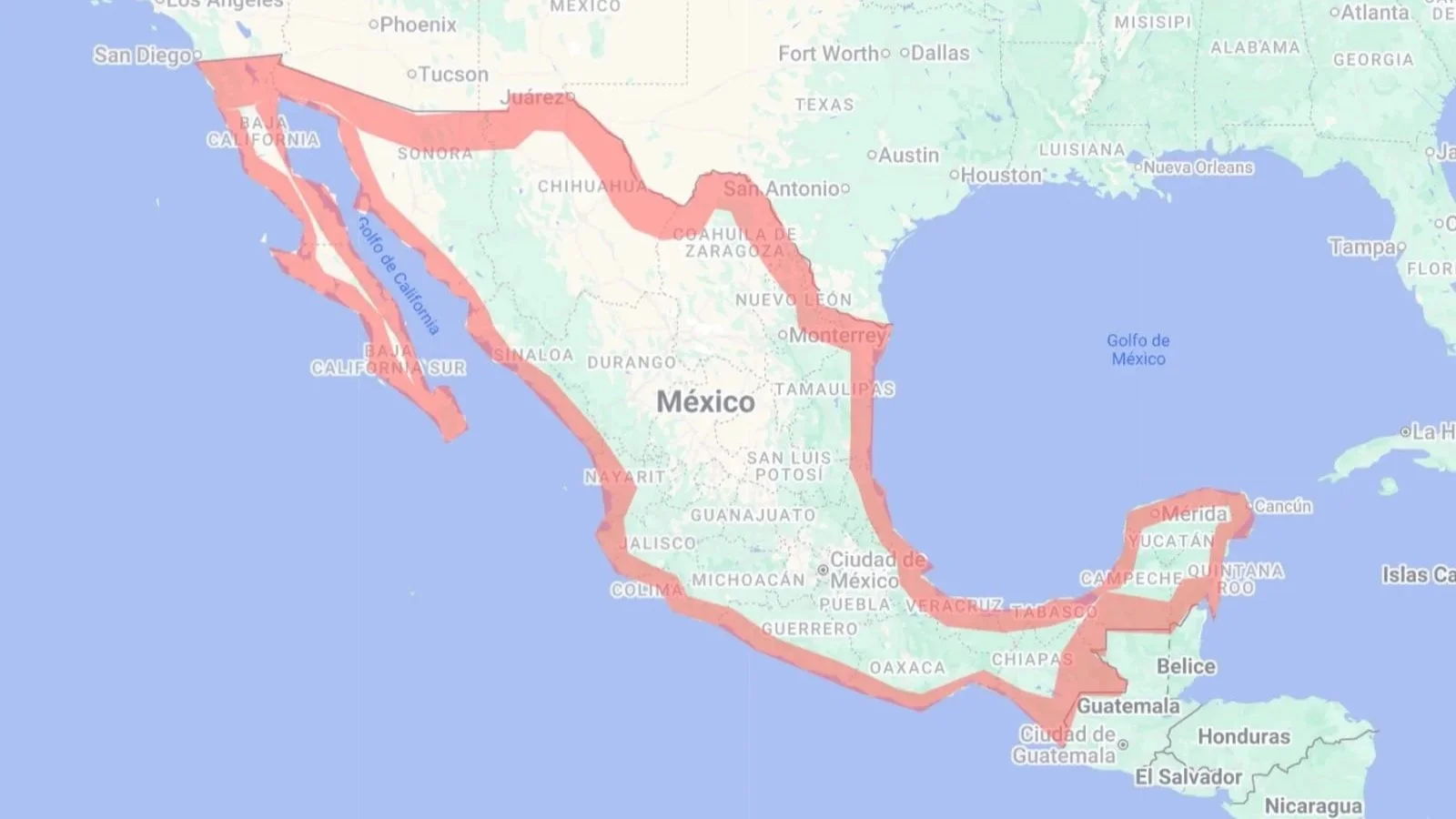
If you’re considering buying in destinations like the Riviera Maya, Cancun, or Los Cabos, understanding how the process works is essential. Properties located within 100 kilometers of borders and 50 kilometers of the coastline fall within what’s known as the restricted zone, where ownership is typically structured through a fideicomiso (bank trust) or, in some cases, a Mexican corporation. These frameworks are not loopholes. They are government-regulated systems that have helped thousands of foreign buyers acquire property safely and legally.
In this step-by-step guide, you’ll learn exactly how Americans can buy property in Mexico, from understanding legal structures to navigating the closing process with clarity and confidence.
Can Americans Buy Property in Mexico?
The rules about property ownership in Mexico have special guidelines for foreigners. Americans dreaming of a home in Mexico's coastal areas should know these significant details.
Understanding the restricted zones
Mexican law designates certain areas as “restricted zones” — not to discourage foreign investment, but as a constitutional safeguard rooted in history. After periods of foreign intervention in the 19th and early 20th centuries, Mexico established protective measures to preserve national sovereignty along its borders and coastlines. Today, these zones include land located within 100 kilometers (about 62 miles) of international borders and 50 kilometers (approximately 31 miles) from the coastline, which is why many of Mexico’s most desirable destinations, from the Riviera Maya and Cancun to Puerto Vallarta, and Cabo San Lucas, fall within this category.
At first glance, the term restricted can sound limiting, especially for Americans or Canadians dreaming of owning a beachfront home. In reality, it doesn’t mean foreigners can’t buy. It simply means ownership must follow a specific legal structure designed to protect both the buyer and the country’s constitutional framework. Over the years, Mexico has developed a well-established, government-regulated solution that allows international buyers to acquire property securely and with full ownership rights.
In the next section, we’ll walk you through how this works in practice, including the fideicomiso, the legal mechanism that has allowed thousands of foreign buyers to safely own property in Mexico’s most sought-after coastal destinations.
How fideicomiso makes ownership possible
Americans can acquire property in restricted zones through a fideicomiso (bank trust). This legal structure has approval from Mexican authorities and backing from Mexico's Central Bank. It helps foreigners own property while following constitutional rules.
A Mexican bank holds the property's legal title as a trustee, while the foreign buyer becomes the trust's beneficiary. The trust lasts 50 years and can continue indefinitely. Trust beneficiaries have these rights:
Use, enjoy, and live in the property
Remodel or build on the property
Rent it out and receive all income
Sell the property and keep all proceeds
Pass it down to heirs
There is an initial set-up fee that runs in the low thousands of dollars, usually around $2,500 USD depending on the bank and the transaction. Yearly administrative costs for the fideicomiso run around $500 USD, though banks charge different fees. BanBajio, Banca Mifel, and BBVA are popular choices among Americans for these trusts.
Non-residential properties in restricted zones offer another option: creating a Mexican corporation with 100% foreign ownership. Business investors often use this method, but it generally doesn't work for residential properties in restricted zones.
Americans can hold property titles directly in areas outside restricted zones. These include Mexico City, San Miguel de Allende, Guadalajara, and Querétaro.
The fideicomiso system has helped thousands of Americans buy property along Mexico's beautiful coasts. It offers legal protection while letting foreigners enjoy full benefits of owning property on Mexico's stunning shorelines.
Step-by-Step Guide to Buying Property in Mexico as a U.S. Citizen
Let's take a closer look at the practical steps to buy your dream property in Mexico's beautiful coastal regions, now that we understand the legal framework.
1. Choose your location and define your investment goal
Before exploring property options, the most important first step is getting clear on why you want to buy in Mexico. Your investment goal will directly influence the type of property, neighborhood, and ownership structure that makes the most sense for you.
Are you looking for a vacation home you’ll use a few weeks per year? A rental property designed to generate short-term income? Or a future relocation home where lifestyle and community matter more than occupancy rates? Each objective points toward a different strategy.
For example, buyers focused on rental income often prioritize walkability, beach proximity, and turnkey amenities that appeal to travelers. Those planning to relocate or split their time between Mexico and the U.S. may benefit more from gated communities, larger living spaces, and areas with strong long-term infrastructure growth.
Taking the time to define your priorities early helps you avoid one of the most common mistakes foreign buyers make: choosing a property based solely on aesthetics instead of alignment with long-term goals. A clear vision allows your advisor to narrow down options efficiently, saving time and ensuring your purchase supports both your lifestyle and your financial objectives.
2. Hire a real estate agent and legal advisor
Working with the right professionals is one of the most important decisions you’ll make during the buying process. In Mexico, real estate is regulated at the state level, which means not everyone advertising properties is necessarily licensed. That’s why verifying credentials and experience is essential.
A licensed real estate agent brings more than just access to listings. They provide market insight, negotiation guidance, and an understanding of local regulations that can protect you from costly mistakes. While memberships in professional associations like AMPI or AMII can demonstrate commitment to industry standards, they are not substitutes for proper licensing. Ideally, you want an advisor who combines verified credentials with deep local expertise.
Equally important is having an independent legal team conduct due diligence. A reputable agent should never act as the sole authority on legal matters. From verifying title history and permits to reviewing contracts and ensuring compliance with Mexican regulations, experienced real estate attorneys play a critical role in safeguarding your investment.
At Paradise Listings, every advisor on our team is fully licensed and brings over a decade of experience in the Riviera Maya market. We also collaborate closely with Lighthouse Legal, an independent law firm known for its thorough due diligence and client-first approach. This structure ensures that our clients benefit from both expert real estate guidance and transparent legal oversight at every stage of the transaction.
3. Understand the Ownership Structure: Fideicomiso or Mexican Corporation
Once you’ve identified the right property, the next step is determining the most appropriate ownership structure. For most American buyers purchasing residential property within Mexico’s restricted zone, ownership is typically established through a fideicomiso, a bank trust authorized by the Mexican government.
Under this structure, a Mexican bank holds the title in trust on your behalf, while you remain the 100% beneficiary with full rights to use, rent, remodel, sell, or pass the property to heirs. It’s important to understand that this is not a lease or shared ownership — it’s a secure legal framework that has been used successfully by foreign buyers for decades.
In certain cases — particularly when buyers plan to operate commercial activities or manage multiple rental properties — purchasing through a Mexican corporation may be more appropriate. The right choice depends on your goals, tax strategy, and long-term plans, which is why consulting both your legal advisor and accountant early in the process is essential.
A knowledgeable agent and legal team will help you evaluate which structure aligns best with your objectives while ensuring full compliance with Mexican regulations.
4. Make an Offer and Complete Due Diligence
Once you’ve selected a property, the process typically begins with a written offer and negotiation phase. While pricing can sometimes feel flexible in Mexico’s real estate market, successful negotiations rely on understanding local conditions, comparable sales, and the developer or seller’s timeline.
After terms are agreed upon, a reservation agreement or promissory contract is usually signed, accompanied by an initial deposit. This stage triggers the due diligence process, where your legal team verifies key details such as:
Clear title and ownership history
Land use and zoning compliance
Construction permits and developer credentials (for pre-construction properties)
Existing liens or encumbrances
HOA rules and financial structure when applicable
This is where working with an independent legal team becomes invaluable. Thorough due diligence protects your investment and ensures there are no surprises later in the transaction.
5. Sign the purchase agreement
After due diligence shows the property is clean, you'll sign a promissory contract (Contrato de Promesa de Compraventa) that spells out the sale terms and usually includes an initial downpayment.
6. Closing the Transaction and Becoming the Legal Beneficiary
The final stage is the closing process, where ownership is formalized through a public deed signed before a Mexican notary public. Unlike in the U.S., a notary in Mexico is a highly specialized government-appointed attorney responsible for verifying the legality of the transaction, calculating taxes, and registering the property with the Public Registry.
During closing, buyers typically pay closing costs ranging from 7–10% of the property’s value, which may include acquisition tax, notary fees, registration expenses, and trust setup (if purchasing through a fideicomiso). While these upfront costs are higher than in some markets, many of them can be factored into the property’s cost basis and may help reduce capital gains taxes when you sell.
Once the deed is registered and the fideicomiso is established (if applicable), you officially become the legal beneficiary of the property with the same practical ownership rights you would expect back home.
The whole process usually takes 40-45 days from offer to possession, though timing can vary, especially if you are buying pre-construction.
Legal and Financial Requirements You Should Know as a U.S. citizen
Buying property in Mexico as an American is entirely legal, but it does come with a different set of procedures, financial considerations, and documentation requirements than what you may be used to in the United States. Understanding these elements early will help you plan your investment with confidence and avoid unnecessary delays.
Financing Options for Americans Buying Property in Mexico
One of the most common questions U.S. buyers ask is whether they can finance a property purchase in Mexico. The answer is yes, but financing works differently than it does in the United States, and understanding your options early can help you plan your investment strategy more effectively.
Cash Purchases: The Most Common Approach
The majority of Americans buying property in Mexico choose to purchase in cash. This is largely because traditional mortgage products are less common and often involve higher interest rates than buyers may be used to back home.
Cash purchases tend to offer several advantages, including stronger negotiating power, faster closing timelines, and simpler approval processes. Many developers also provide attractive discounts or incentives for buyers who can follow a cash-heavy payment structure.
Developer Financing and Payment Plans
For pre-construction or new developments, developer financing is often one of the most accessible options. Instead of securing a loan through a bank, buyers make scheduled payments directly to the developer throughout the construction period.
These plans can vary widely — from structured installment payments during construction to extended post-delivery financing — and may or may not require traditional credit checks. For buyers who want flexibility without navigating cross-border lending requirements, developer financing can be an appealing alternative.
Cross-Border and Mexican Bank Mortgages
While less common, some Mexican banks and international lenders do offer mortgage products designed specifically for foreign buyers. These loans typically require larger down payments and may come with higher interest rates compared to U.S. mortgages, but they can be a viable option depending on your financial profile and long-term goals.
In some cases, buyers also choose to leverage equity from property they already own in the United States — such as a home equity line of credit (HELOC) — allowing them to purchase in Mexico without relying on local financing structures.
Choosing the Right Strategy for Your Goals
The best financing approach depends on how you plan to use the property. Buyers focused on long-term appreciation or relocation may prioritize lower leverage and simplicity, while investors targeting rental income might explore structured payment plans or alternative lending strategies.
At Paradise Listings, we help clients evaluate the full picture from payment structures offered by developers to introductions with trusted financial partners so they can make informed decisions that align with both lifestyle goals and investment strategy.
Closing Costs and Financial Planning
One of the most important financial considerations for U.S. buyers is understanding closing costs. In Mexico, these typically range between 7% and 10% of the property’s value and may include:
Acquisition tax
Notary and registration fees
Appraisal and administrative expenses
Trust setup fees (when applicable)
While this may seem higher than in some U.S. markets, Mexico compensates with relatively low annual property taxes, making long-term ownership costs more manageable. Many closing-related expenses can also be added to your cost basis, which may help offset capital gains when you sell in the future.
Taxes and Compliance for U.S. Buyers
As a U.S. citizen, you remain subject to U.S. tax reporting requirements, even when purchasing property abroad. This doesn’t mean you’ll necessarily pay additional taxes, but it does mean coordinating with a cross-border accountant can be beneficial, especially if you plan to rent your property or hold it through a corporate structure.
A strong advisory team will help you navigate both the Mexican legal framework and your obligations back home, ensuring your purchase is structured in a way that supports your long-term goals. At Paradise Listings, our lawyers will be able to help you with your tax strategy.
Common Pitfalls and How to Avoid Them
Buying property in Mexico can be a smooth and rewarding process when done correctly, but like any international investment, there are nuances that first-time buyers may not immediately recognize. Understanding the most common mistakes can help you move forward with clarity and avoid unnecessary stress along the way.
Choosing a Property Without a Clear Strategy
One of the biggest pitfalls is falling in love with a property before defining your long-term goals. A condo that looks beautiful online may not perform well as a rental, while a highly profitable investment property might not offer the lifestyle you envisioned. Before making a decision, take time to align the property with how you plan to use it, whether for personal enjoyment, income generation, or future relocation.
How to avoid it: Work with an advisor who takes the time to understand your priorities first, rather than simply showing listings.
Working With Unlicensed or Inexperienced Agents
Because real estate regulations vary by state in Mexico, not everyone marketing properties is properly licensed. Some buyers unknowingly rely on individuals who lack the training or legal knowledge needed to guide an international transaction safely.
How to avoid it: Verify that your advisor holds a valid real estate license in the state where you are buying. Professional association memberships like AMPI or AMII can be a positive sign, but they should complement — not replace — proper licensing and experience.
Skipping Independent Legal Due Diligence
Another common mistake is assuming that a developer or listing agent’s information is sufficient. Even in reputable markets, verifying title history, permits, and legal compliance is essential to protecting your investment.
How to avoid it: Always work with an independent legal team that represents your interests. A trustworthy brokerage should encourage third-party oversight rather than relying solely on internal assurances.
Underestimating Closing Costs and Ownership Expenses
Some buyers focus only on the purchase price without fully understanding closing costs, trust fees, HOA expenses, or property management considerations. This can create unexpected pressure later in the process.
How to avoid it: Request a full cost breakdown early — including estimated closing costs (typically 7–10%), annual trust fees if applicable, and ongoing maintenance expenses — so you can plan your investment realistically.
Letting Fear of the Unknown Delay Good Opportunities
Finally, many Americans hesitate because the process feels unfamiliar. Terms like restricted zone or fideicomiso can sound complex at first, even though they are well-established systems designed to protect foreign buyers.
How to avoid it: Educate yourself with reliable information and surround yourself with experienced professionals who can guide you step by step. With the right team in place, buying property in Mexico becomes far more straightforward than many people expect.
How Paradise Listings Helps Americans Buy Property in Mexico

Buying property in another country isn’t just about finding the right listing. It’s about having the right team guiding you through every step with clarity and confidence. At Paradise Listings, our approach is built around helping American buyers navigate the Mexican real estate market with transparency, structure, and long-term vision.
Licensed Advisors With Local Expertise
Every advisor at Paradise Listings is fully licensed and brings deep, on-the-ground experience in the Riviera Maya and Cancun markets. With over a decade of regional expertise, our team helps clients understand not only pricing and availability, but also neighborhood dynamics, growth corridors, and the lifestyle factors that influence long-term value.
We believe real estate advice should go beyond showing properties. It should help you make decisions aligned with your goals, whether that’s generating rental income, building a legacy investment, or creating a future home in Mexico.
Independent Legal Support Through Lighthouse Legal
Because legal oversight is essential when purchasing abroad, we work closely with Lighthouse Legal, an independent law firm known for its thorough due diligence and client-first approach. This partnership ensures that every transaction benefits from transparent legal review, from title verification and contract analysis to fideicomiso setup and closing coordination.
Having both licensed real estate advisors and a dedicated legal team allows our clients to move forward knowing that every detail has been carefully reviewed.
A Curated, Strategy-First Approach
Rather than overwhelming buyers with hundreds of listings, Paradise Listings focuses on a curated selection of properties that meet strict criteria for quality, location, and long-term potential. We begin by understanding your investment goals and lifestyle priorities, then narrow down options that truly fit your vision.
From virtual tours and market education to introductions with property managers and financial professionals, our goal is to make the process feel organized, informed, and personalized — especially for foreign buyers navigating Mexico for the first time.
Support Beyond the Purchase
Our relationship with clients doesn’t end at closing. Many American buyers rely on us for ongoing guidance, whether it’s connecting them with trusted furnishing partners, helping structure rental strategies, or simply offering insight as their plans evolve over time.
Buying in Mexico should feel exciting, not overwhelming and with the right team beside you, it becomes a smooth and life changing experience.
Conclusion: Yes, U.S. Citizens Can Own Property in Mexico
So, can Americans buy property in Mexico? Absolutely — and every year, more U.S. buyers are discovering that owning a home here is not only possible, but secure and surprisingly straightforward when approached the right way.
While Mexico’s legal framework may look different from what you’re used to in the United States, systems like the fideicomiso were specifically designed to allow foreign buyers to own property confidently within the country’s most desirable coastal destinations. With the right guidance, clear due diligence, and a strong understanding of the process, purchasing in Mexico can be just as safe and rewarding as investing back home.
The key is surrounding yourself with professionals who prioritize transparency, education, and long-term value. From defining your goals and choosing the right ownership structure to navigating closing costs and understanding financing options, every step becomes easier when you have a knowledgeable team supporting you.
If you’re considering buying property in Mexico, whether as a lifestyle investment, a future retirement plan, or a strategic addition to your portfolio, the best first step is simply starting the conversation.
At Paradise Listings, we specialize in helping American buyers navigate the process with clarity and confidence. If you’re ready to explore opportunities in the Riviera Maya, Cancun, or beyond, we invite you to schedule a complimentary consultation to discuss your goals and see what’s possible.
FAQ
-
Yes. Americans can legally own property in Mexico, including beachfront real estate. In coastal and border areas known as the restricted zone, ownership is typically structured through a fideicomiso (bank trust) or a Mexican corporation, both of which are secure and government-regulated legal frameworks.
-
A fideicomiso is a bank trust that allows foreigners to own property in Mexico’s restricted zones. The bank holds the title on your behalf, but you remain the 100% beneficiary with full rights to use, rent, sell, remodel, or pass the property to heirs. It’s a long-established and secure ownership structure used by thousands of foreign buyers.
-
In addition to the purchase price of the property, closing costs usually range between 7% and 10% of the property’s value and may include acquisition tax, notary fees, registration expenses, and fideicomiso setup if applicable. While upfront costs can be higher than in some markets, annual property taxes in Mexico are generally low, helping balance long-term ownership expenses.
-
While many Americans purchase property in Mexico with cash, financing options do exist. Some developers offer flexible payment plans during construction, and certain Mexican banks or cross-border lenders provide mortgages for foreign buyers, typically with higher down payments. Many buyers also leverage equity from property they own in the U.S. The best option depends on your financial strategy, timeline, and long-term goals. If you’re not sure which is the best option for your situation, connect with one of our advisors.