Fideicomiso Explained: How Foreigners Legally Own Property in Mexico
Thinking about buying a place in Mexico? It's a fantastic idea, especially with all those beautiful beaches and vibrant cities. But here's the thing: owning property there isn't quite like buying a house back home, particularly if you're looking at areas near the coast or the U.S. border. Mexico has specific rules for foreigners, and that's where something called a 'fideicomiso' comes in. Don't worry, it sounds more complicated than it is. We're going to break down what this Mexico bank trust for foreigners is all about, why you need it, and how it actually works so you can make your Mexican property dreams a reality.
Key Takeaways
A fideicomiso is a 50-year bank trust required for foreigners to own property in Mexico's restricted zones (near borders or coastlines).
The trust allows foreigners full rights to use, enjoy, sell, and inherit property, even though a Mexican bank holds the legal title.
It provides legal security and protection, acting as a secure way to hold property in Mexico, similar to direct ownership elsewhere.
Setting up a fideicomiso involves a Mexican bank as trustee, with fees for setup and annual maintenance.
While direct ownership is possible outside restricted zones, the fideicomiso is the standard and secure method for coastal and border properties.
What is a Fideicomiso and Why Do Foreigners Need One?
So, you're thinking about buying a place in Mexico, maybe a condo by the beach or a villa in a popular tourist spot. That's awesome! But before you get too far, there's a bit of a legal quirk you need to know about, especially if you're not a Mexican citizen. It's called a fideicomiso, and it's pretty much the standard way foreigners own property in certain parts of Mexico.
Understanding the Restricted Zone
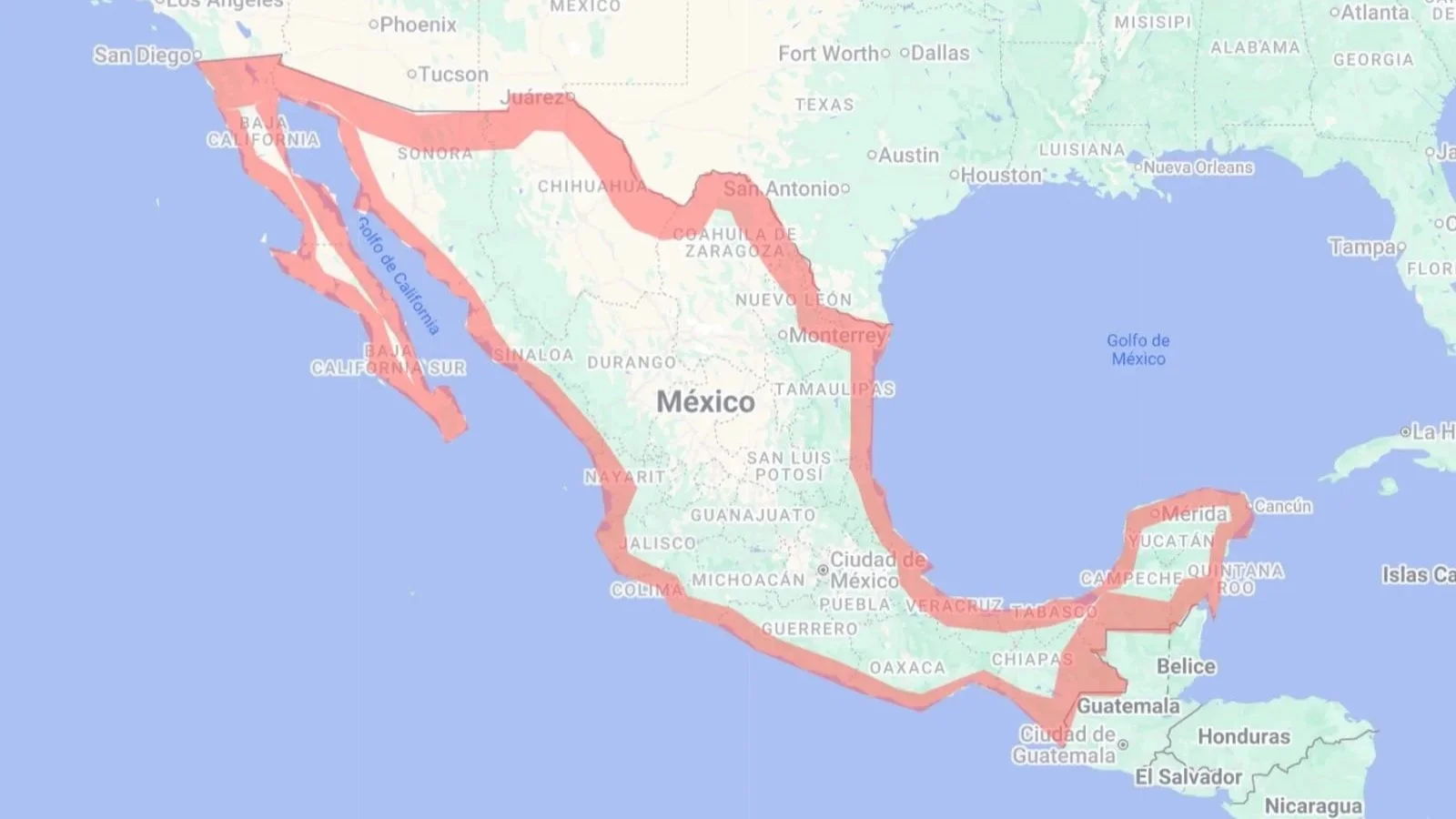
Mexico's constitution has some rules about who can own land. Basically, foreigners can't directly own property in areas considered "restricted." What does that mean? It's pretty straightforward:
Coastal Areas: Any land within 50 kilometers (about 31 miles) of the Mexican coastline.
Border Areas: Any land within 100 kilometers (about 62 miles) of the U.S. border.
These zones were set up a long time ago, mainly to protect national interests. So, if you're eyeing that stunning beachfront property in Tulum or a place near the border, you'll likely need a fideicomiso. Properties outside these zones? You can usually buy those directly, just like a Mexican citizen.
The Role of the Mexican Bank
This is where the fideicomiso comes in. Think of it as a special trust set up with a Mexican bank. The bank acts as the trustee, meaning they legally hold the title to the property. But here's the important part: you, the foreign buyer, are the beneficiary. This means you get all the rights of ownership. You can use the property, rent it out, sell it, or even pass it down to your heirs. The bank is just holding the title for you, following the rules of the trust agreement.
The fideicomiso system was created as a way for Mexico to encourage foreign investment in these restricted zones without changing the constitution. It's a legal structure that allows foreigners to enjoy full ownership rights while respecting Mexican law. It's been instrumental in the development of many popular tourist destinations.
Essentially, the fideicomiso is the legal key that unlocks property ownership for foreigners in these specific areas. It provides a secure and recognized way to invest in Mexican real estate, giving you peace of mind and all the benefits of owning your dream property.
How Does a Fideicomiso Work for Property Ownership?
So, you're looking at buying property in Mexico, maybe a little beach condo or a place in a popular tourist town. If it's in what's called the 'restricted zone' – basically, anywhere near the coast or the US border – you can't just buy it outright like you might in your home country. This is where the fideicomiso comes in. It's a legal setup that lets you have all the benefits of owning property without actually holding the title directly. Think of it as a special kind of trust, and understanding what is a fideicomiso in Mexico is key to making this work.
Key Parties Involved: Buyer, Seller, and Trustee Bank
When you set up a fideicomiso, there are a few main players.
You (The Buyer/Beneficiary): You're the one who wants the property. In the trust, you're called the 'beneficiary.' This means you get to use, enjoy, and benefit from the property just like you would if you owned it directly. You can live in it, rent it out, fix it up, or sell it.
The Seller: This is the person or entity selling the property to you.
The Trustee Bank: This is a Mexican bank, authorized to act as a trustee. They legally hold the title to the property. They don't own it in the sense that they can use it or sell it without your say-so. Their role is to hold the title for your benefit and follow your instructions regarding the property.
The Trust Agreement: Your Rights and Responsibilities
The fideicomiso itself is laid out in a trust agreement. This document is super important because it spells out exactly what you can and can't do, and what the bank's role is.
Your Rights: You have the right to use, occupy, improve, rent, mortgage, and sell the property. The bank acts on your written instructions. If you pass away, you can name substitute beneficiaries (like your spouse or children) who inherit your rights to the property without going through a lengthy probate process.
Your Responsibilities: You'll typically pay an annual fee to the bank for their trustee services. You're also responsible for property taxes, maintenance, and any other costs associated with owning the property. When you sell, the process is usually straightforward, often involving the buyer taking over your existing trust or setting up a new one.
Essentially, the fideicomiso explained is a way for foreigners to have secure, long-term use and control over property in Mexico's restricted zones. The bank holds the title, but you hold all the practical ownership rights and responsibilities. It's a 50-year renewable trust, giving you long-term assurance.
This whole setup might sound a bit complicated at first, but it's a well-established legal structure designed to protect your investment while respecting Mexican law. It's how thousands of foreigners own property in Mexico's most desirable locations.
Benefits of Owning Property in Mexico via Fideicomiso
So, you're thinking about buying property in Mexico as a foreigner, especially if it's along the coast or near the border. It sounds exciting, right? But how do you actually make it yours legally? That's where the fideicomiso comes in, and honestly, it offers some pretty solid advantages.
Security and Legal Protection
First off, let's talk about peace of mind. The fideicomiso provides a secure and legally recognized way for foreigners to own property in Mexico's restricted zones. It's not like you're just renting or leasing the place. You have actual ownership rights, but structured through a Mexican bank acting as a trustee. This setup is fully compliant with Mexican real estate trust laws and protects you from potential ownership disputes. The bank holds the title, but you, as the beneficiary, have all the rights to use, enjoy, and profit from the property. It’s a well-established mechanism, used for decades, giving you confidence in your investment.
The fideicomiso essentially gives you the best of both worlds: the ability to own and benefit from Mexican real estate, combined with legal protection and flexibility. You can enjoy your investment property or rental income, secure in the knowledge that your ownership is recognized and protected under Mexican law.
Flexibility and Inheritance
Beyond just security, the fideicomiso offers a lot of flexibility. You can sell your property whenever you want, rent it out, or even make improvements and build on it. It doesn't tie you down. And when it comes to inheritance, it's surprisingly straightforward. You can name beneficiaries directly in the trust agreement. This means that if something happens to you, your chosen heirs can take over your rights to the property without going through a complicated Mexican probate process. It makes passing down your Mexican property to your loved ones much simpler. This system is one of the primary legal ways for foreigners to own land in Mexico, especially when considering foreign ownership of Mexican coastal property.
Full Control: You can live in it, rent it out, remodel it, sell it, or pass it down to your heirs.
Long-Term Tenure: The trust is typically set up for 50 years and is renewable, offering long-term assurance.
Simplified Inheritance: Designate beneficiaries to easily transfer property rights upon your passing.
Legal Compliance: Adheres strictly to Mexican constitutional requirements for foreign ownership in restricted zones.
The Process of Setting Up a Fideicomiso
So, you're thinking about setting up a fideicomiso for a vacation home in Mexico? It sounds complicated, but honestly, it's pretty straightforward once you break it down. It's basically a legal arrangement where a Mexican bank holds the title to your property, but you, as the beneficiary, get all the rights to use, enjoy, and even sell it.
Here’s a general idea of how it all comes together:
Choose Your Bank: First things first, you'll pick a Mexican bank that's authorized to act as a trustee. Most major banks have departments for this. At Paradise Listings, we generally recommend working with Banco de Bajío.
Get the Permit: Your bank, or often your closing attorney, will apply for a permit from Mexico's Ministry of Foreign Affairs (SRE). This is a required step for foreigners buying in certain areas.
Draft the Trust Deed: A notary public, who's basically a government-approved lawyer for real estate deals, will put together the fideicomiso deed. This document names the bank as the trustee, you as the beneficiary, and details the property. It also lets you name who gets the rights if something happens to you.
Sign and Close: Everyone involved – you, the seller, and a representative from the bank – will sign the deed. At this point, the property title officially transfers to the bank as trustee for your trust. You pay for the property, and the bank takes the title on your behalf.
Register It: Finally, the notary registers the new deed with the local property registry. Now, the bank is listed as the trustee, and you're the beneficiary with full rights.
It's important to remember that while the bank holds the legal title, they can't do anything with your property without your written instructions. You're still in complete control, just like you would be with direct ownership elsewhere. The bank's role is mainly administrative, making sure everything is done according to the trust agreement and your commands.
This whole process usually adds a bit of time to the closing, so many transactions allow for about 4 to 6 weeks to get everything finalized. It might seem like a lot of steps, but it's the standard way for foreigners to securely own property in Mexico.
Costs and Fees Associated with a Fideicomiso
So, you're thinking about buying property in Mexico using a fideicomiso. It's a great way for foreigners to own land, especially in those desirable coastal areas. But like anything, it comes with some costs. You've got the initial setup fees, which usually cover the bank's work in establishing the trust and all the legal paperwork. This can be a few hundred dollars, plus taxes.
Then there are the annual fees. The bank, acting as your trustee, charges a yearly fee for managing the trust. This is also typically in the few hundred dollar range annually. It's not a huge amount, but it's something to factor into your budget over the long term.
Here's a quick rundown of what you might expect:
One-time setup fee: Paid when the trust is first created.
Annual trustee fee: Paid each year to the bank.
Permit fees: Sometimes there are fees associated with obtaining permits from the Mexican government.
Renewal fees: Down the road, when the 50-year term is up, there will be fees to renew the trust.
It's important to remember that these costs are part of the legal framework that protects your ownership rights. While they add to the overall expense, they are what allow you to legally own property in restricted zones. Think of it as an investment in security.
When you're looking at the numbers, make sure to get a clear breakdown from your bank and legal representative. This way, there are no surprises down the line. You can find more details on setup costs for a fideicomiso here.
Fideicomiso vs. Direct Ownership: What's the Difference?
So, you're looking at buying property in Mexico, and you've heard about this thing called a fideicomiso. It sounds complicated, right? Well, it can be, but understanding the difference between it and direct ownership is pretty key.
Basically, if you're buying property outside of Mexico's "restricted zones" – think places like Mexico City, Guadalajara, or San Miguel de Allende – you can often hold the title directly in your name. This is similar to how you'd buy a house back home. You own it outright, you can sell it, rent it, or leave it to your kids without much fuss. It's straightforward.
But here's the kicker: Mexico's constitution has rules about foreigners owning land within 100 kilometers of any border and 50 kilometers of any coastline. These are the "restricted zones," and they include most of the popular beach towns and resort areas. If you want to buy property in these spots, you can't just put the title in your name. That's where the fideicomiso comes in.
Think of the fideicomiso as a legal workaround. Instead of you holding the title directly, a Mexican bank acts as a trustee. They hold the legal title to the property, but you, as the beneficiary, have all the rights to use, enjoy, improve, rent, and sell the property. It's not like you're renting or leasing; you're still the beneficial owner. It's just a different legal structure required by Mexican law in those specific areas.
Here’s a quick breakdown:
Direct Ownership: Usually possible outside restricted zones. You hold the title directly. Simple and familiar.
Fideicomiso: Required for restricted zones. A Mexican bank holds the title as trustee, but you are the beneficiary with full rights.
While it might seem like an extra layer of bureaucracy, the fideicomiso is designed to protect your investment and comply with Mexican law. It grants you the same practical ownership rights as direct ownership, including the ability to pass the property on to your heirs, but through a legally recognized trust structure.
So, while direct ownership is simpler when available, the fideicomiso is the established and secure way for foreigners to own property in Mexico's most desirable locations.
Choosing between a fideicomiso and direct ownership for your property can feel tricky. Think of a fideicomiso like a special trust that holds your property for you, while direct ownership means you hold the title yourself. Each has its own set of rules and benefits. Want to understand which is best for your situation? Visit our website to learn more and get expert advice!
So, What's the Takeaway About Fideicomisos?
Alright, so we've gone over how this whole fideicomiso thing works. It might sound a little complicated at first, with banks holding titles and all that jazz, but really, it's just Mexico's way of letting foreigners buy property in those prime coastal and border spots. Think of it as a legal structure that keeps everyone happy – you get to enjoy your place, rent it out, sell it, or pass it down, and Mexico sticks to its constitutional rules. It’s been around for ages, and lots of people use it, so it’s not some new, risky thing. Just make sure you’ve got a good lawyer and agent to help you through the paperwork, and you’ll be all set to enjoy your piece of Mexico.
Frequently Asked Questions
-
A fideicomiso is a bank trust that lets foreigners own property in certain parts of Mexico. It's a way to follow Mexican law while still letting you have all the rights of owning a home or land as a foreigner.
-
Mexico's constitution has rules that say foreigners can't directly own land in areas close to the coast or the U.S. border. The Fideicomiso is a legal tool that allows you to get around this rule. A Mexican bank trust holds the official title, but you get all the benefits and control of ownership.
-
No, the bank doesn't own your property. It acts as a trustee, meaning it holds the title for you. You are the beneficiary, and you have the full right to use, enjoy, rent, sell, or even pass down the property to your family. The bank just follows your instructions.
-
A Fideicomiso is set up for a 50 year term and is renewable indefinitely. This means you can have long-term, secure ownership of your property in Mexico.
-
There's a one-time fee to set up the trust, which can be around $2,500 USD. You'll also pay an annual fee, often between $500 USD and $700 USD, to cover the bank's services for managing the trust.
-
Absolutely! Having a Fideicomiso doesn't stop you from selling your property. You can sell it just like you would anywhere else, and the process of transferring ownership to the new buyer is handled smoothly through the trust.