If you've spent any time researching the Riviera Maya, you've probably come across articles, Facebook posts, or YouTube videos talking about sargassum.
For some people, it's enough to make them reconsider a vacation or even question whether living in the region is a good idea.
As someone who has lived in Playa del Carmen since 2021, I understand the concern. I've had friends and clients ask me everything from "Is it really that bad?" to "Does it affect the entire Riviera Maya all year long?"
The short answer is no.
The longer answer is a little more interesting.
Sargassum is a real challenge that affects parts of the Caribbean, but it's also a phenomenon that is often misunderstood, exaggerated online, and viewed without the proper context. The reality is that millions of people continue to vacation, retire, invest, and build incredible lives in the Riviera Maya every year—even during sargassum season.
Let's talk about what sargassum actually is, why it happens, what is being done about it, and most importantly, how to make the most of your time in paradise regardless of what Mother Nature decides to do.
What Is Sargassum?
Sargassum is a type of brown seaweed that naturally grows in the Atlantic Ocean.
Historically, it has existed in a region known as the Sargasso Sea, located in the North Atlantic. In recent years, however, larger quantities have begun traveling through ocean currents and washing up on shorelines throughout parts of the Caribbean, Mexico, Central America, and even West Africa.
When it reaches the coast, it can accumulate on beaches and, if left unmanaged, produce an unpleasant odor as it decomposes.
This is what most people are referring to when they talk about "sargassum season."
It's important to understand that this is not a Riviera Maya problem.
It is a Caribbean-wide and Atlantic-wide environmental phenomenon affecting dozens of countries and territories, including:
Mexico
Belize
Jamaica
Dominican Republic
Barbados
Saint Lucia
Puerto Rico
The Bahamas
Turks and Caicos
Parts of Florida
Several West African nations
The Riviera Maya simply receives more attention because it is one of the most visited destinations in the world.
When Is Sargassum Season?
While there are no guarantees, sargassum season typically runs from approximately April through October.
The heaviest months are usually between May and August, though conditions can vary significantly from year to year and even from week to week.
One beach can have visible sargassum while another beach 20 minutes away can look completely different.
Wind direction, ocean currents, weather patterns, and local cleanup efforts all play a role.
That's why it's often impossible to accurately predict conditions months in advance.
Is It Really As Bad As Social Media Makes It Look?
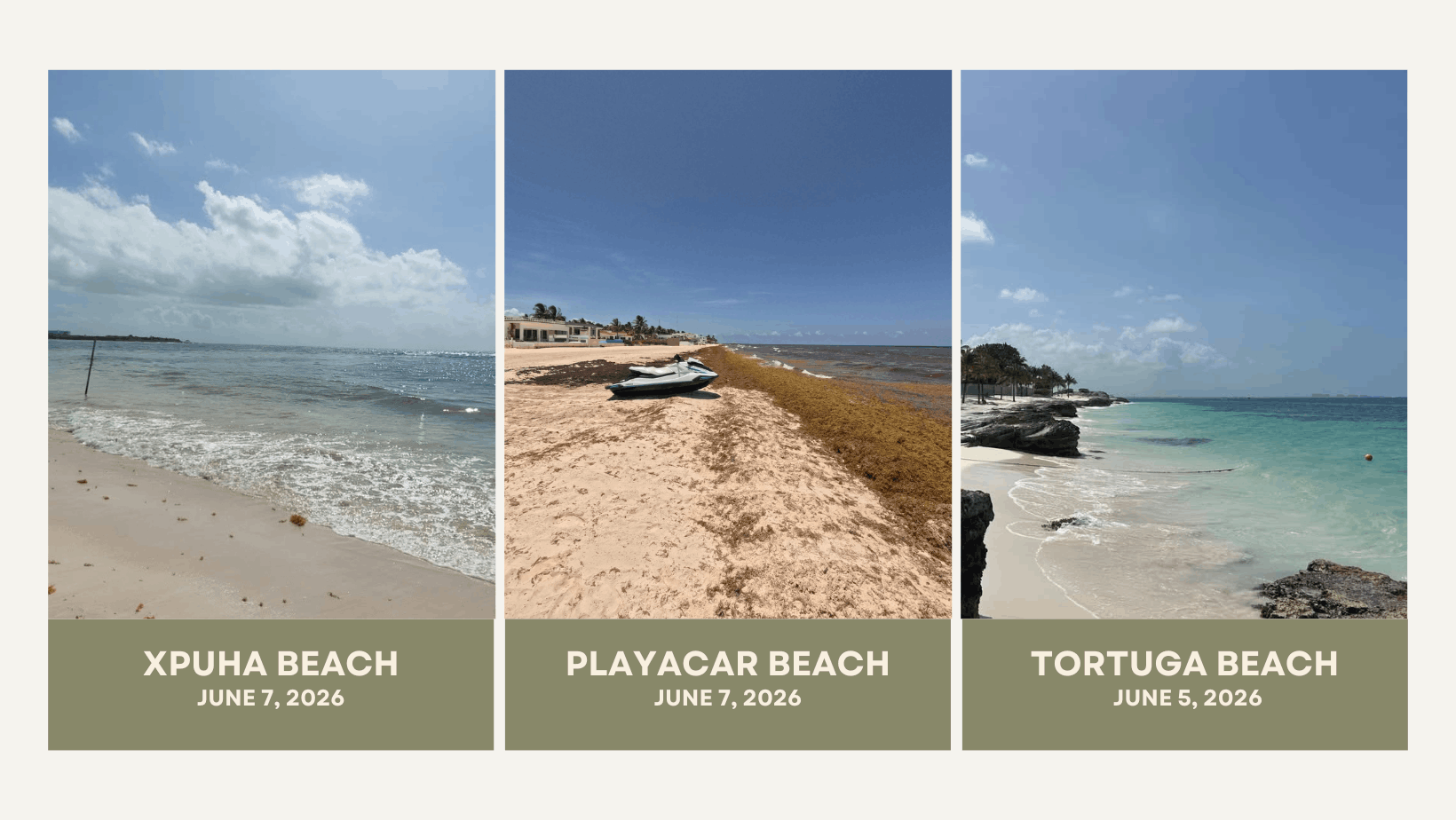
In many cases, no.
One thing I've learned after living here is that social media tends to show the worst possible photos.
A drone shot of a heavily affected beach gets shared thousands of times, while the hundreds of beautiful pools, cenotes, lagoons, restaurants, rooftop terraces, beach clubs, and communities people are enjoying that same day rarely make the headlines.
Sometimes one area gets heavily affected, while other beaches as little as 20 minutes away are perfectly clear.
“When people imagine moving to the Riviera Maya, they often think of the beach first. But the Riviera Maya is much more than a strip of sand. It’s year round sunshine. It’s a variety of natural environments that you can enjoy—sargassum or no sargassum. And honestly, most residents don’t spend every day at the beach anyway.”
The Riviera Maya is much more than a strip of sand.
When people imagine moving here, they often think about the beach first.
But what keeps people here is everything else:
The year-round sunshine
Outdoor lifestyle
Walkability
International community
Incredible food scene
Nature
Wellness culture
Golf
Scuba diving
Paddle sports
Jungle adventures
Family-friendly communities
In other words, the beach is only one piece of the puzzle.
And honestly, many residents don't spend every day at the beach anyway.
The Good News: Solutions Are Being Implemented
One of the biggest misconceptions is that nobody is doing anything about sargassum.
In reality, government agencies, scientists, private businesses, developers, and environmental organizations have been investing heavily in solutions.
Some examples include:
Offshore Barriers
Floating containment barriers have been installed in several locations to intercept sargassum before it reaches shore.
These systems help redirect and collect seaweed offshore where it can be removed more efficiently.
Specialized Collection Vessels
Mexico has deployed vessels specifically designed to collect sargassum before it reaches beaches.
Removing it offshore is often more effective than waiting until it arrives on land.
Daily Beach Cleanup Programs
Many hotels, beach clubs, and municipalities now operate daily cleanup crews.
Some beaches are cleaned before sunrise so visitors can enjoy them throughout the day.
Research and Innovation
Universities and private companies are exploring ways to transform sargassum into useful products such as:
Building materials
Biofuels
Fertilizers
Paper products
Packaging materials
While none of these solutions will eliminate the problem overnight, the region has become significantly more organized and proactive compared to just a few years ago.
The reality is that the Riviera Maya's economy depends heavily on tourism and real estate, which means there is enormous incentive to continue improving solutions.
How to Enjoy the Riviera Maya During Sargassum Season
Now for the fun part.
Let's talk about what you can actually do.
Because if you're visiting or considering living here, there is far more to experience than a beach towel and an ocean view.
Discover the Cenotes
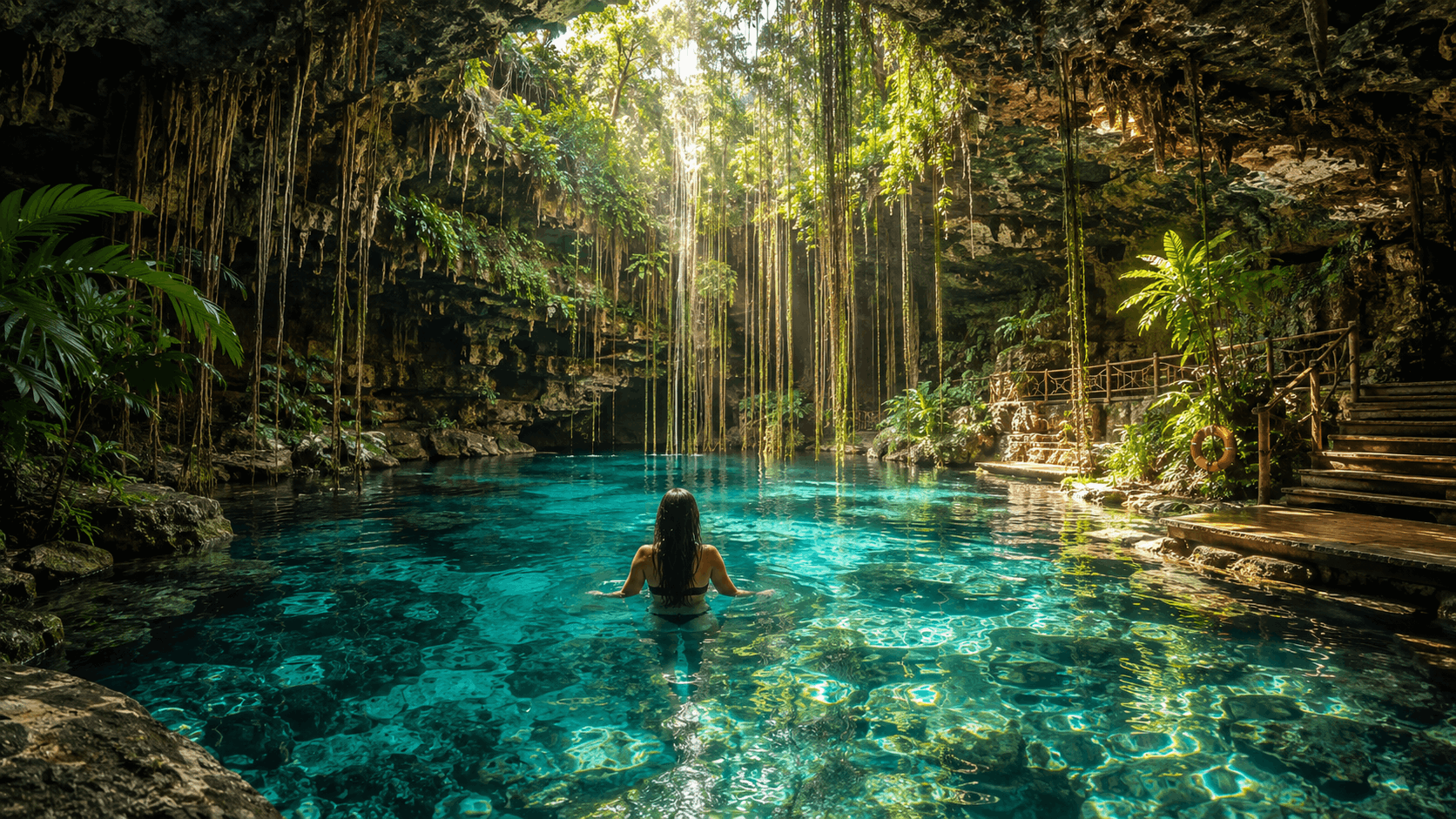
“Cenotes are a reminder that some of the region’s most spectacular natural attractions aren’t found on the coastline at all.”
One of the greatest advantages of the Riviera Maya is that some of its most beautiful attractions are completely unaffected by sargassum.
The Yucatán Peninsula sits on top of one of the largest underground river systems in the world. Over thousands of years, portions of the limestone collapsed, creating thousands of natural swimming holes known as cenotes. Some are open-air, some are hidden underground inside caves, and others combine both environments.
Even after living here for several years, I never get tired of exploring them. If you're visiting during sargassum season, cenotes are one of the best ways to experience the natural beauty of the region.
A quick tip: Most cenotes either accept cash only or strongly prefer cash. While some larger locations accept credit cards, it's always a good idea to carry Mexican pesos for entrance fees, lockers, life jacket rentals, and snacks.
Cenote Jardín Del Edén

This is one of my personal favorites in the Riviera Maya.
Unlike many cave cenotes, Jardín del Edén is an open-air cenote surrounded by lush jungle vegetation and limestone formations. Because it's open to the sun, the water tends to feel warmer than many underground cenotes, making it particularly enjoyable for long swims.
The water is incredibly clear and large enough that you never feel crowded, even during busier periods. You'll often see schools of fish swimming beneath you, turtles gliding through the water, and divers entering the deeper sections of the cenote.
I also love that you can jump in off the cliff. Or if you’re brave enough, from the tree branch overhanging the cliff.
Located between Playa del Carmen and Puerto Aventuras, it's an easy stop if you're exploring the coast.
If someone asked me to recommend just one cenote for a first-time visitor, Jardín del Edén would be near the top of my list.
Check out my Instagram video!
Google Maps Location: https://share.google/UngirgeucWABTN6Nq
Cenote Atik
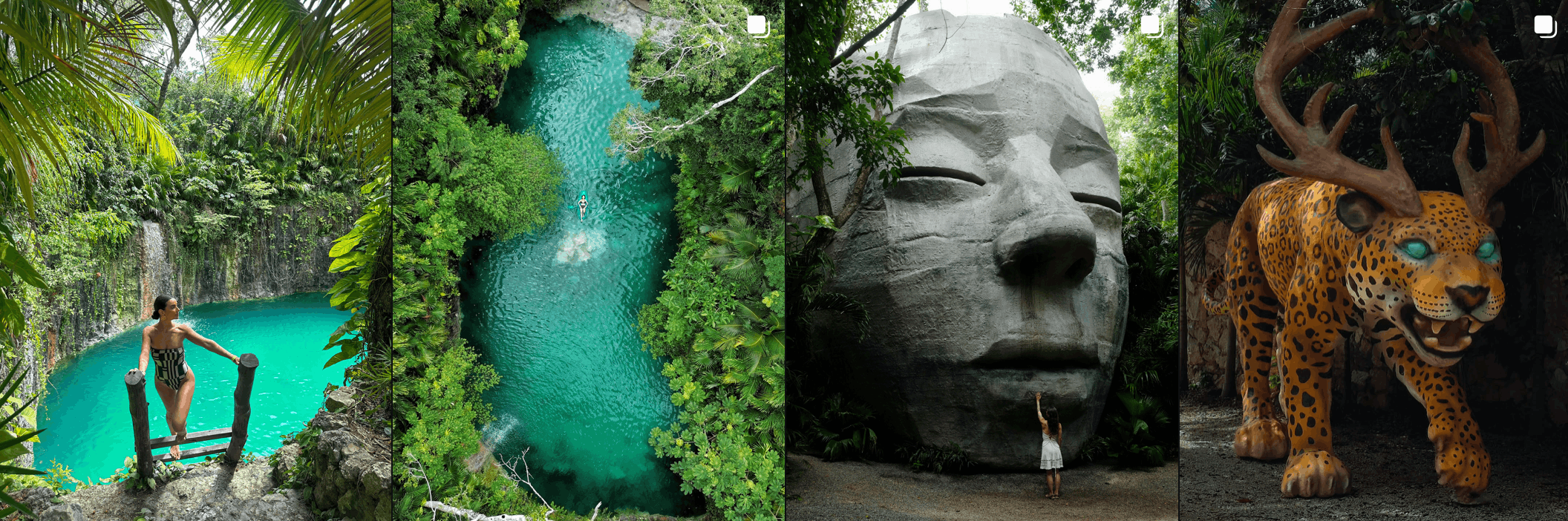
Photo credit @atik.world.rivieramaya
Atik is unlike any cenote I've visited in the Riviera Maya.
Part cenote, part art installation, and part cultural experience, it blends nature, architecture, storytelling, and contemporary Mexican design in a way that feels truly unique.
The cenote itself is beautiful, but what makes Atik special is the journey. Visitors walk through artistic spaces inspired by Mayan culture before arriving at the water. The experience feels more like visiting an outdoor museum hidden within the jungle than simply going for a swim.
If you're someone who appreciates architecture, photography, design, and culture as much as nature, Atik deserves a spot on your itinerary. A favorite among people looking for that perfect Instagram-worthy spot with over 2.7 million followers on Instagram! Check out their instagram.
Google Maps Location: https://share.google/M735HEXMHIT0j6rFL
Cenote Calavera
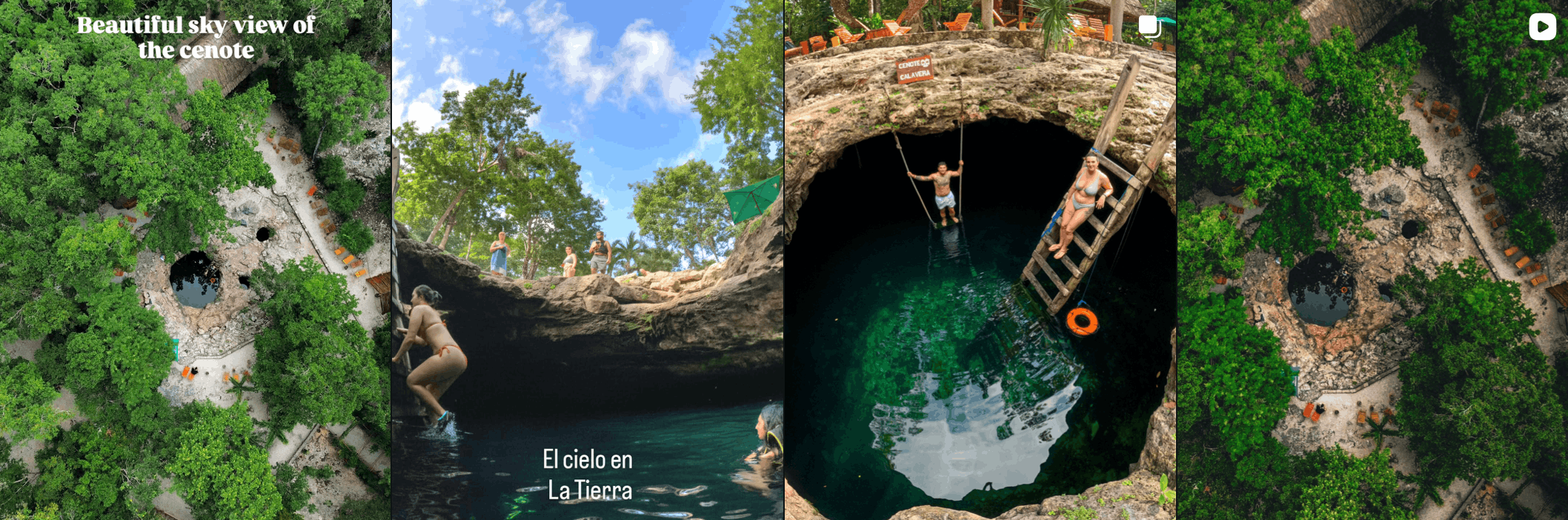
Photo credit @cenotecalavera
Known as the "Temple of Doom" cenote by some visitors, Calavera has become one of the most photographed cenotes in Tulum.
Its nickname comes from the three circular openings in the limestone ceiling that resemble a skull when viewed from above.
Many visitors come specifically for the iconic jump into the water through one of these openings, but the cenote offers much more than a photo opportunity.
The water is deep, crystal clear, and connected to the underground river system that makes the Riviera Maya so unique.
It's a smaller cenote compared to some others on this list, but it delivers one of the most memorable experiences.
Google Maps Location: https://share.google/v9QPGPvTQIKOW5rjQ
Vesica Cenote Club
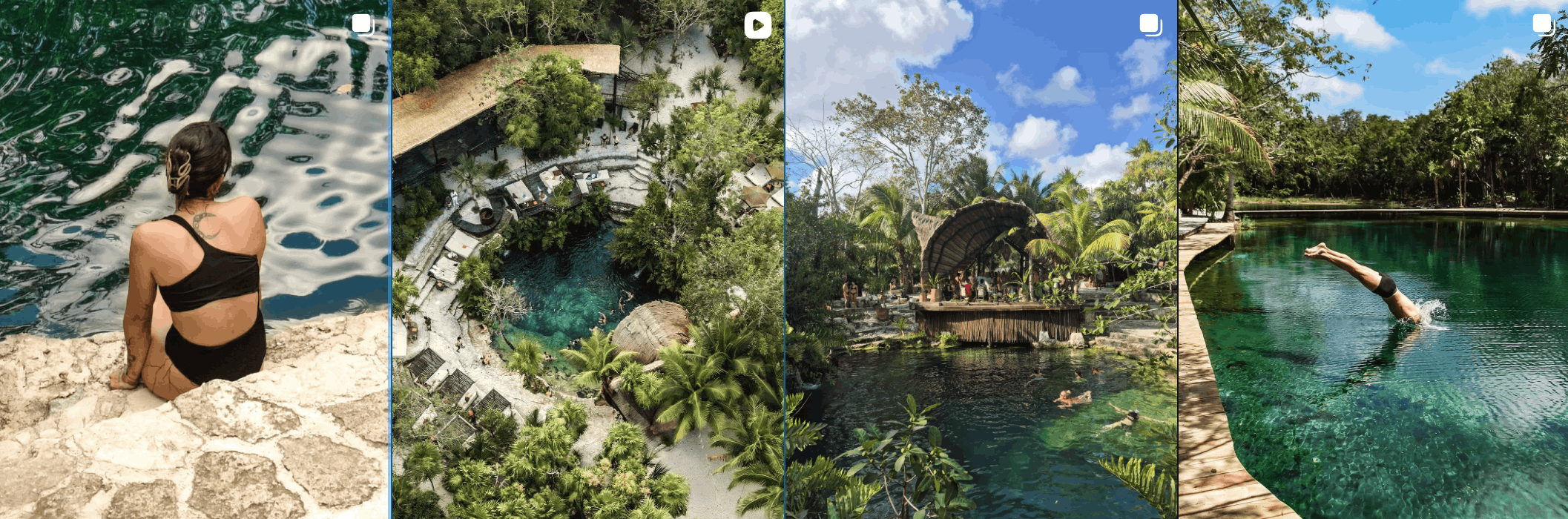
Photo credit @vesica.tulum
If Atik combines art and nature, Vesica combines wellness and nature.
Located in the jungle outside Tulum, Vesica has quickly become one of the most beautiful cenote clubs in the region.
The property surrounds a stunning open cenote and offers a more elevated experience than a traditional cenote visit. Think jungle architecture, wellness programming, yoga classes, spa experiences, healthy food, and spaces designed for relaxation.
The atmosphere feels closer to a luxury retreat than a tourist attraction.
If your idea of a perfect day involves slow living, wellness, beautiful design, and spending hours beside turquoise water, you'll probably love Vesica.
Check out their Instagram!
Google Maps Location: https://share.google/eYurlBmz11bMeHL66
TUUCH Cenote Club at Shibari Tulum
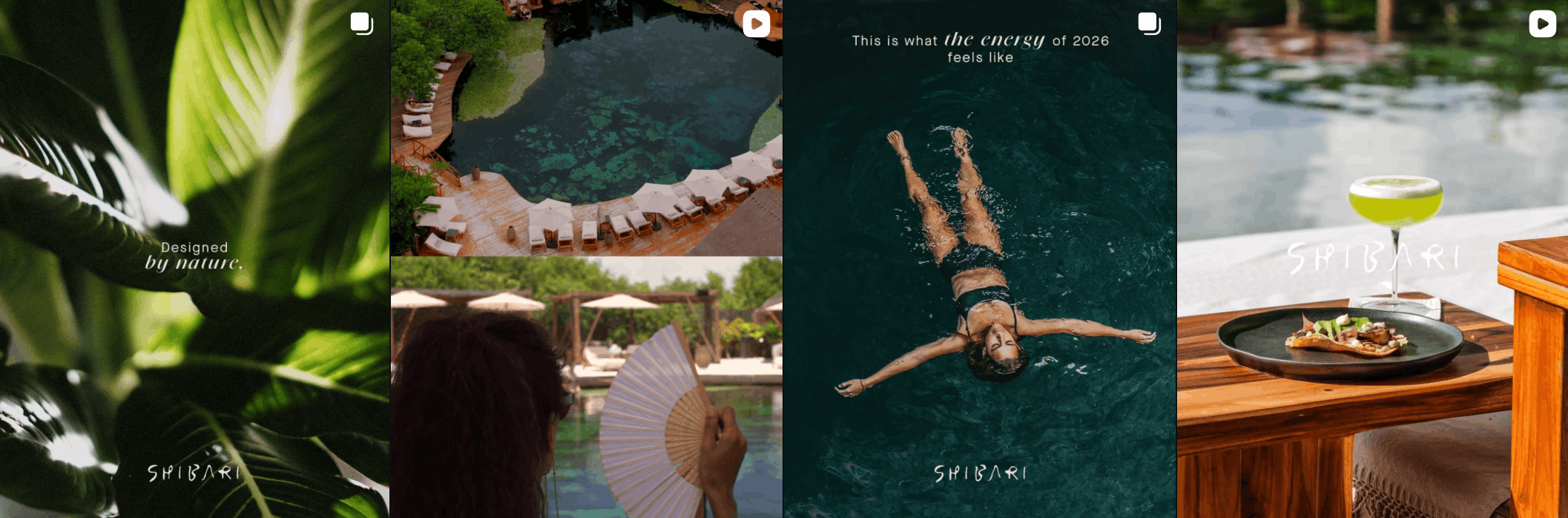
Photo credit @shibaritulum
TUUCH offers one of the most unique cenote experiences in the Tulum area.
Rather than functioning solely as a swimming destination, TUUCH combines cenote access with wellness experiences, cultural programming, dining, music, and community events.
Set in a beautiful jungle environment, the venue often hosts experiences ranging from yoga and sound healing sessions to curated gatherings that reflect Tulum's creative and wellness-oriented culture.
The cenote itself provides a stunning natural backdrop, but what truly sets TUUCH apart is the atmosphere.
If you're looking for something beyond a traditional swim and want to experience a different side of Tulum's lifestyle scene, this is worth adding to your list.
Check out their Instagram!
Google Maps Location: https://share.google/wm0R5oGNlkMueddIe
One of the things I love most about living in the Riviera Maya is that there is always another cenote to discover. Some are famous and easy to access, while others feel like secret swimming holes hidden deep within the jungle. During sargassum season, they become an even greater reminder that some of the region's most spectacular natural attractions aren't found on the coastline at all.
Spend the Day at the Lagoons

If turquoise water is what you're after, lagoons might become your new favorite discovery.
While the beaches get most of the attention, some of the most stunning shades of blue in Mexico are actually found inland. Unlike the ocean, lagoons are typically calm, warm, and unaffected by sargassum, making them a fantastic option any time of year.
Whether you're looking for a weekend getaway, a paddleboarding or kayak adventure, or simply a peaceful place to float in crystal-clear water, these lagoons deserve a spot on your Riviera Maya bucket list.
Pro Tip: Most lagoons charge an entrance fee and many vendors prefer cash. It's always a good idea to bring Mexican pesos, sunscreen that is reef-safe or biodegradable, and plenty of water.
Bacalar Lagoon of Seven Colors

If I had to choose one place in Mexico that consistently leaves visitors speechless, Bacalar would be near the top of the list.
Often called the Lagoon of Seven Colors, Bacalar stretches for more than 40 kilometers and showcases an incredible spectrum of blues ranging from pale turquoise to deep sapphire. On a sunny day, the water almost looks unreal.
Many travelers describe it as the "Maldives of Mexico," and honestly, the comparison isn't entirely unfair.
Unlike the ocean, Bacalar is a freshwater lagoon fed by underground cenotes, which helps create its remarkable clarity and vibrant colors.
Some of my favorite activities in Bacalar include:
Sailing tours at sunset
Paddleboarding at sunrise
Kayaking through the shallow turquoise areas
Floating in crystal-clear water for hours
Visiting the famous Canal de los Piratas
Exploring nearby cenotes connected to the lagoon
What I love most about Bacalar is the pace of life. Everything feels slower here. It's the kind of place where you wake up, have a coffee overlooking the water, spend the day outside, and suddenly realize you've forgotten to check your phone.
While many people visit for a day trip, I always recommend spending at least a weekend if you can. A week is even better.
Laguna Kaan Luum
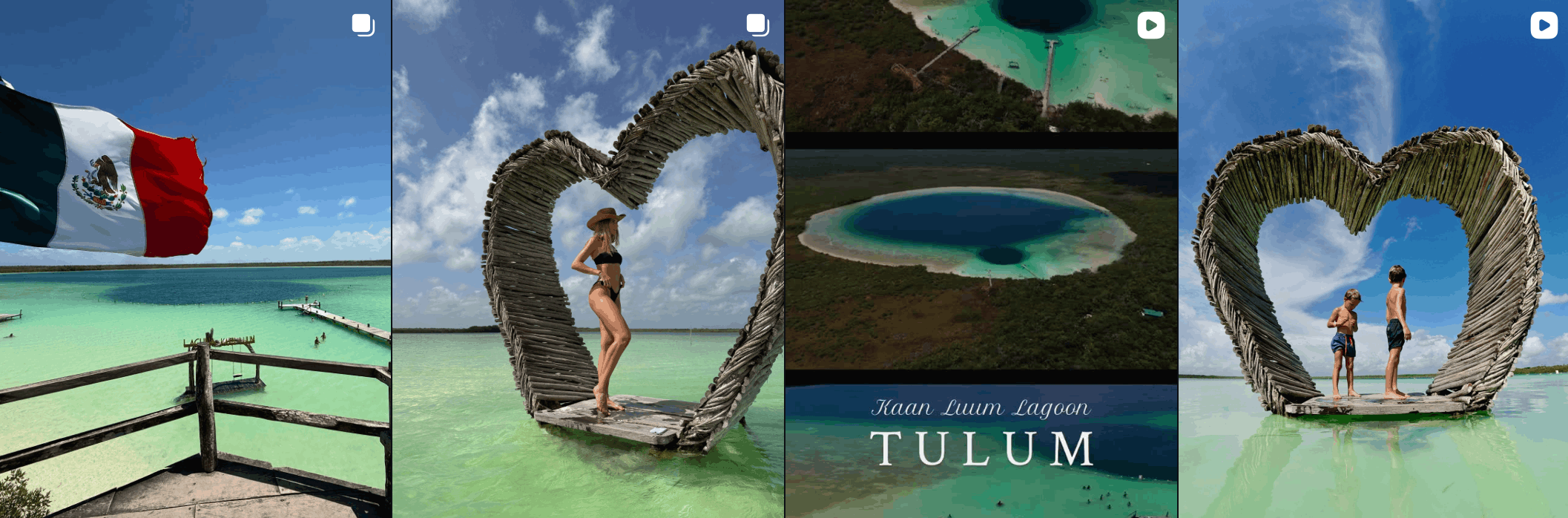
Photo credit @lagunakaanluumoficial
Just 15 minutes south of Tulum sits one of the Riviera Maya's most fascinating natural attractions.
At first glance, Kaan Luum looks like a giant natural swimming pool.
The lagoon is famous for its shallow turquoise waters that stretch around a dramatic circular cenote located directly in the center. The contrast between the bright blue lagoon and the deep, dark center creates a striking visual effect that looks incredible from above.
The shallow sections are perfect for:
Swimming
Floating
Paddleboarding
Relaxing in warm water
Taking photographs
One of the things I love about Kaan Luum is how peaceful it feels compared to some of Tulum's busier attractions.
There are wooden docks extending into the water where you can sit and take in the scenery, and the surrounding jungle creates a sense of tranquility that's becoming harder to find in more developed areas.
The deep cenote at the center is protected and off-limits for casual swimming, helping preserve the ecosystem while maintaining the lagoon's unique appearance.
If you're looking for a relaxing half-day excursion from Tulum, Kaan Luum is hard to beat.
Laguna Nopalitos
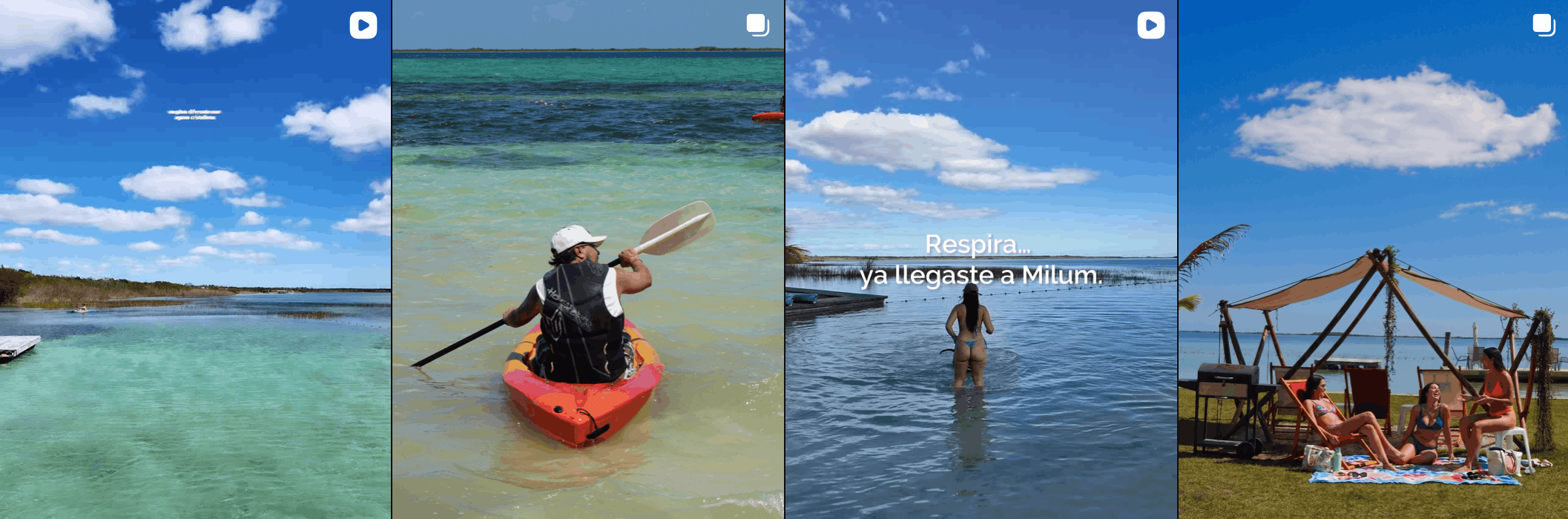
Photo credit @milumlakeclub
Laguna Nopalitos is still one of the Riviera Maya's hidden gems.
Located along the route between Tulum and Bacalar, Nopalitos offers some of the most intensely turquoise water you'll find anywhere in the Yucatán Peninsula.
The colors here can be absolutely stunning.
The shallow water, white limestone bottom, and mineral-rich environment create shades of blue that often rival those of Bacalar itself.
What makes Nopalitos special is that it still feels relatively undiscovered compared to many other attractions in the region.
You won't find large crowds, luxury beach clubs, or busy tour groups here.
Instead, you'll find:
Crystal-clear shallow water
Peaceful natural surroundings
Excellent kayak or paddleboarding opportunities
Great photography spots
A more local and authentic atmosphere
The lagoon is particularly beautiful during the middle of the day when the sun illuminates the water and reveals its vibrant colors.
There are picnic tables and BBQs so you can easily make a full day of it! Plus, it’s pet friendly.
Check out the Instagram of Milum Lake Club for more info!
Laguna Yal-Kú
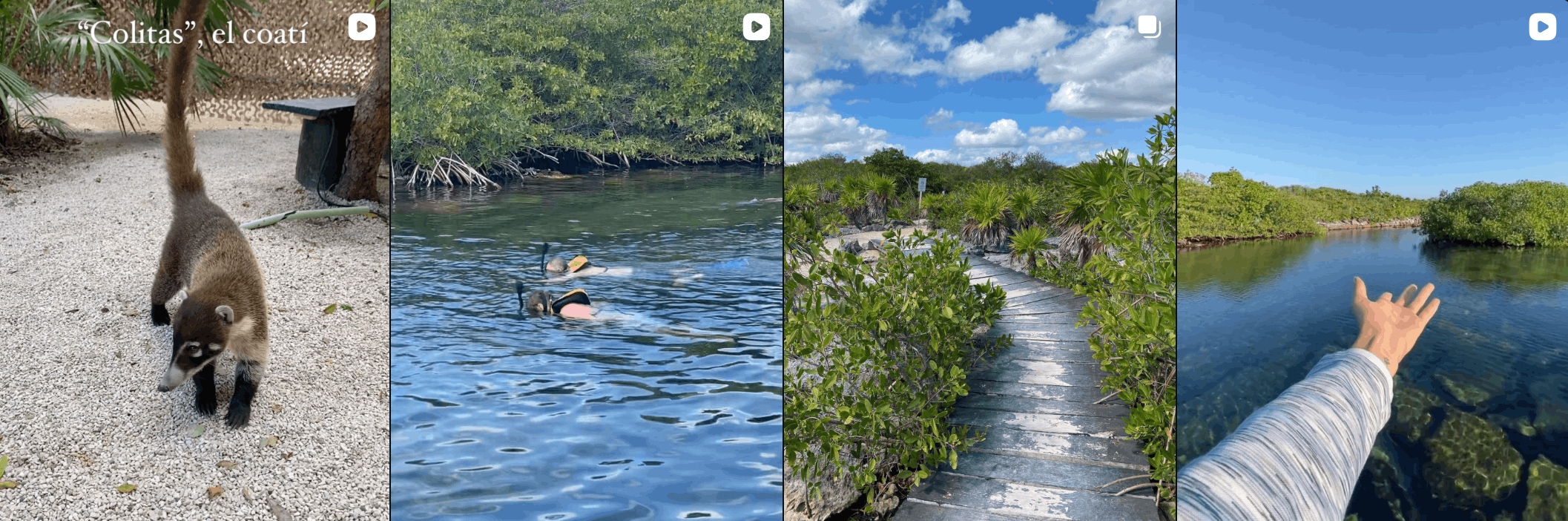
Photo credit @lagunayalku_
Located just outside Akumal, Yal-Kú is where freshwater and saltwater meet to create one of the best snorkeling experiences in the Riviera Maya.
Unlike many lagoons that are primarily known for swimming or relaxing, Yal-Kú is all about what's beneath the surface.
The calm, protected waters are home to:
Colorful tropical fish
Coral formations
Mangrove ecosystems
Crystal-clear visibility
Gentle currents
Even beginner snorkelers can comfortably explore the lagoon thanks to the calm conditions.
One of the things that makes Yal-Kú unique is how accessible it is for families. The water is generally shallow and protected from strong ocean waves, making it a great option for visitors who want to experience marine life without venturing into deeper open water.
Above the water, the setting is equally beautiful. Palm trees, tropical vegetation, and winding pathways create an atmosphere that feels peaceful and secluded despite being only minutes from Akumal.
For nature lovers, it's one of the most rewarding day trips in the Riviera Maya.
One of the things that surprises many first-time visitors is just how much freshwater beauty exists beyond the coastline. Between Bacalar, Kaan Luum, Nopalitos, and Yal-Kú, you could spend an entire vacation exploring lagoons and never once feel like you're missing out on the Caribbean.
In fact, many travelers end up discovering that some of their favorite memories from the Riviera Maya happened nowhere near the beach at all.
Enjoy the Resort Lifestyle

One thing many visitors don't realize is how incredible the resort and residential amenities have become throughout the Riviera Maya.
Many developments are designed so residents and guests can enjoy an entire day without ever stepping onto the beach.
Think:
Rooftop infinity pools
Swim-up bars
Wellness spas
Yoga decks
Padel courts
Tennis courts
Pickleball courts
Fitness centers
Jungle walking trails
Coworking lounges
Family pools
Kids clubs
Some communities feel like private resorts.
As someone who lives in Selvamar, I can say that we often choose our rooftop pool or community pool over the beach.
Morning walks under the jungle canopy, tennis, coffee on the terrace, time by the pool, and dinner with friends can easily fill an entire day.
Play Golf (If That’s Your Thing)
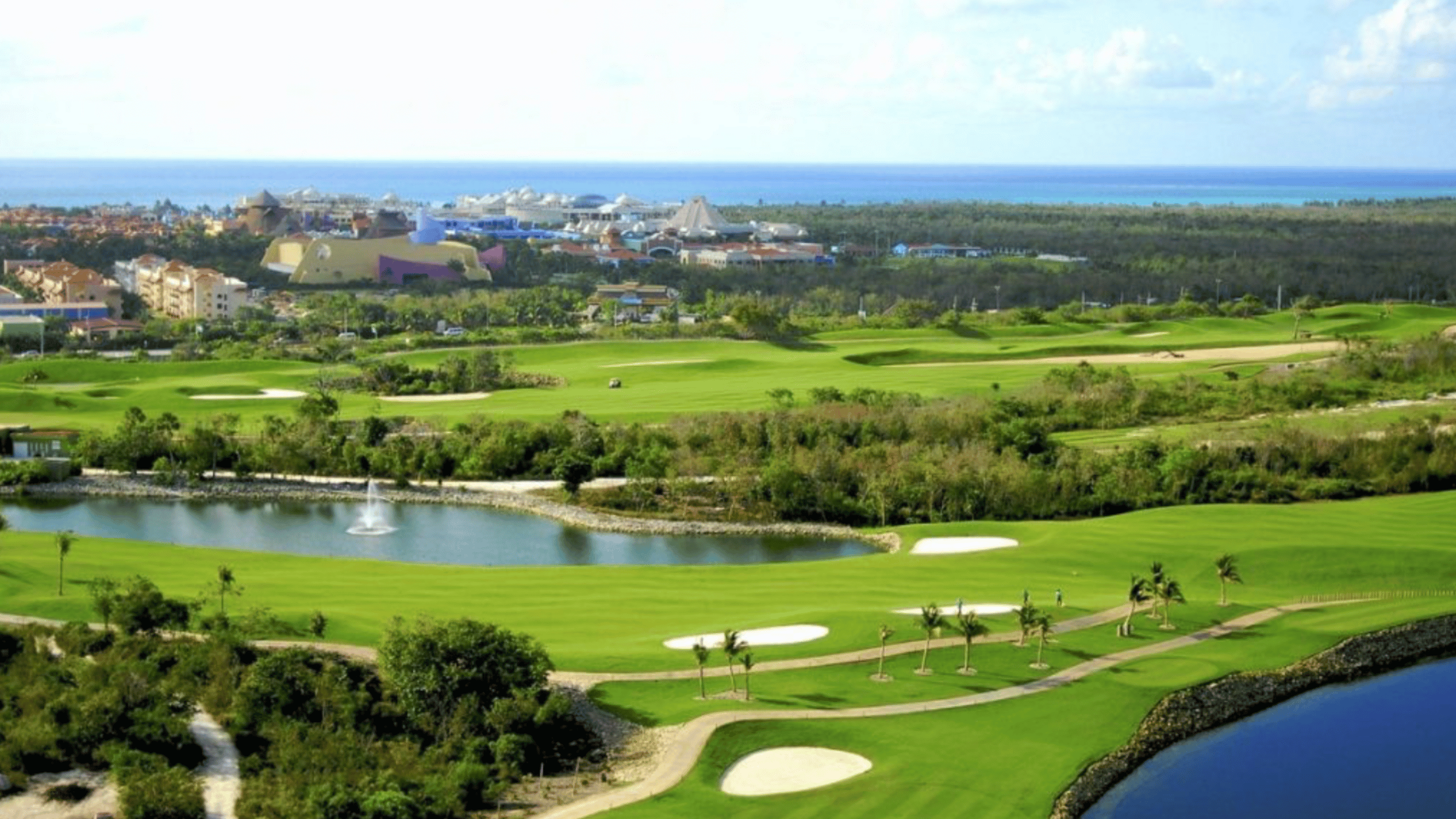
Even if you're not someone who plans entire vacations around tee times, it's worth knowing that the region is home to some of Mexico's most beautiful golf courses. Think lush jungle fairways, mangrove-lined holes, ocean views, cenotes, and wildlife sightings that might include everything from tropical birds to coatis and iguanas.
For many residents, golf isn't just a sport. It's part of the lifestyle.
For many retirees, snowbirds, and second-home owners, golf becomes one more reason they spend more time here than they originally planned.
And if golf isn't your thing? No worries.
The good news is that the same communities that attract golfers often feature incredible amenities for everyone else—beach clubs, wellness centers, tennis and padel courts, cycling paths, nature trails, restaurants, spas, and resort-style pools.
That's part of what makes the Riviera Maya such a great place to live: there's room for everyone to enjoy paradise in their own way.
Check out our article to find a list of golf courses worth checking out: “Best Golf Courses in and Around Playa del Carmen (2026 Guide)”
Explore Unaffected or Less Affected Beaches
Explore Puerto Morelos
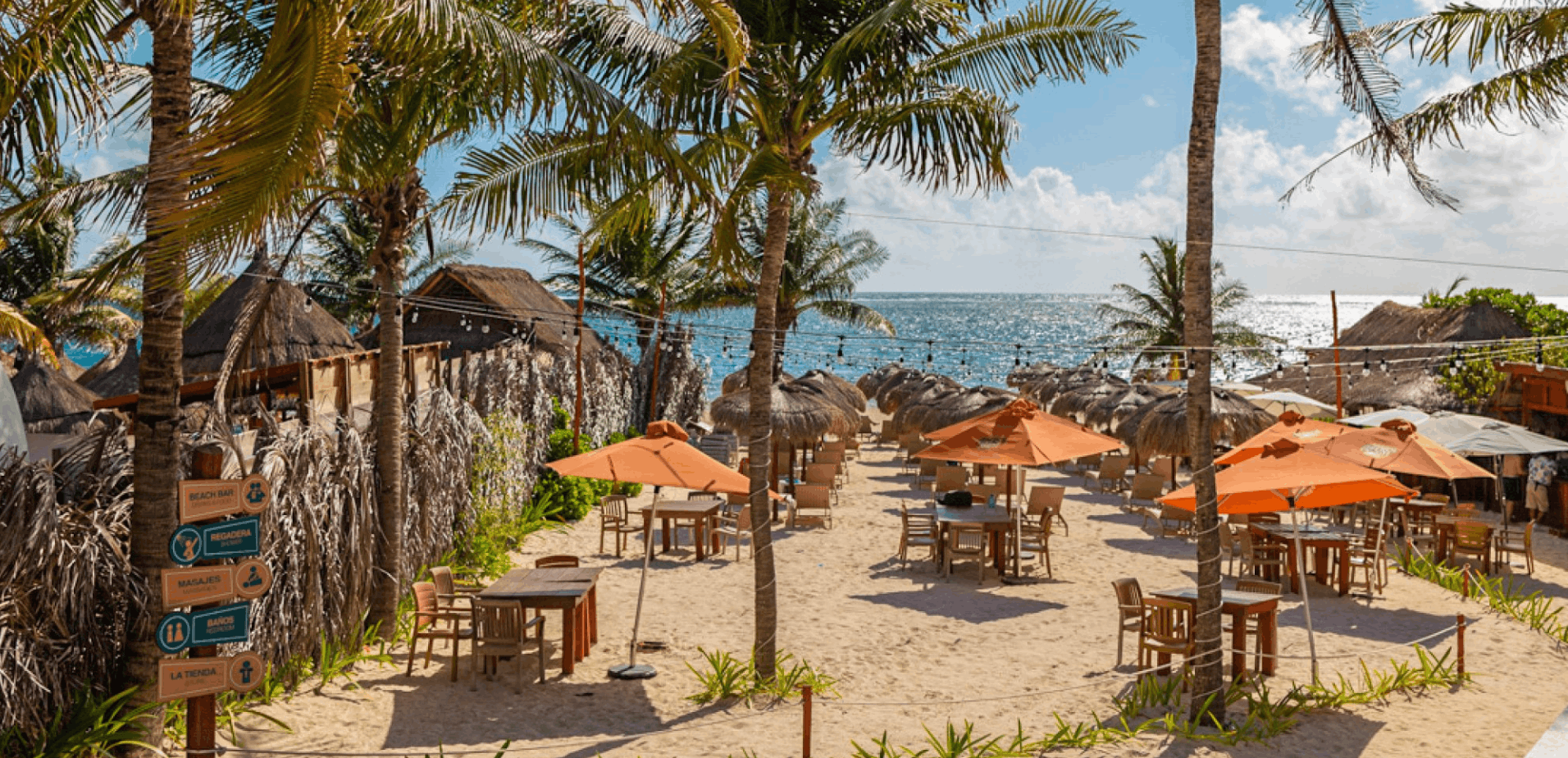
One of my favorite not so “hidden gems” in the Riviera Maya, located part way between Playa del Carmen and Cancun.
The offshore reef acts as a natural barrier, which often helps reduce wave action and can lessen the impact of sargassum compared to other areas.
Puerto Morelos also offers:
Charming town square
Excellent restaurants
Great snorkeling
Local community atmosphere
Less crowds than Cancun or Playa del Carmen
It remains one of the most underrated destinations in the region.
Take the Ferry to Cozumel
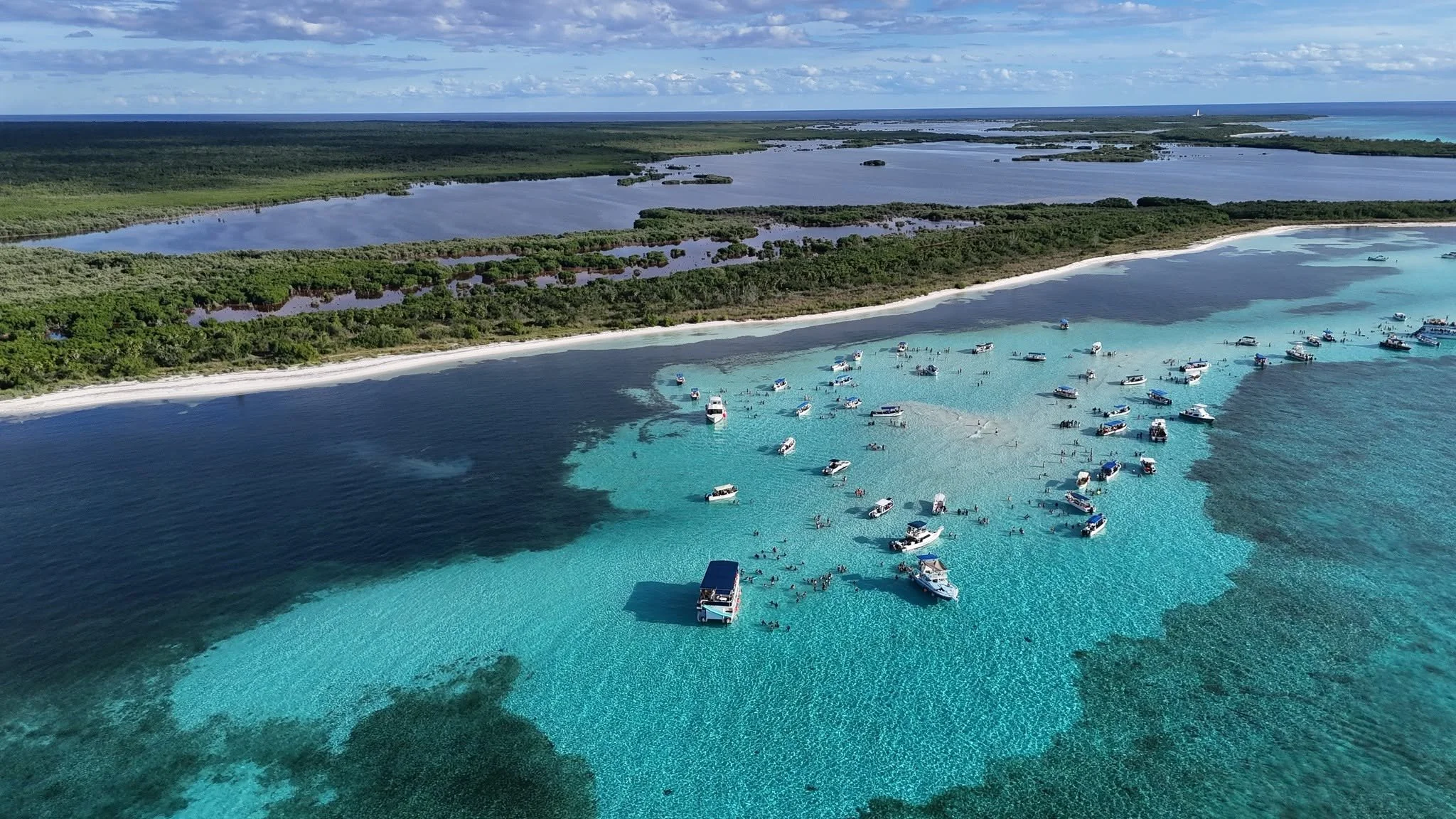
If you ask locals where they go when they want a beach day during sargassum season, Cozumel often comes up.
The island's western side frequently experiences significantly less sargassum due to its geography and prevailing currents.
It's also home to some of the best diving and snorkeling in the world.
Highlights include:
El Cielo
Palancar Reef
Chankanaab
Punta Sur
Visit Isla Mujeres
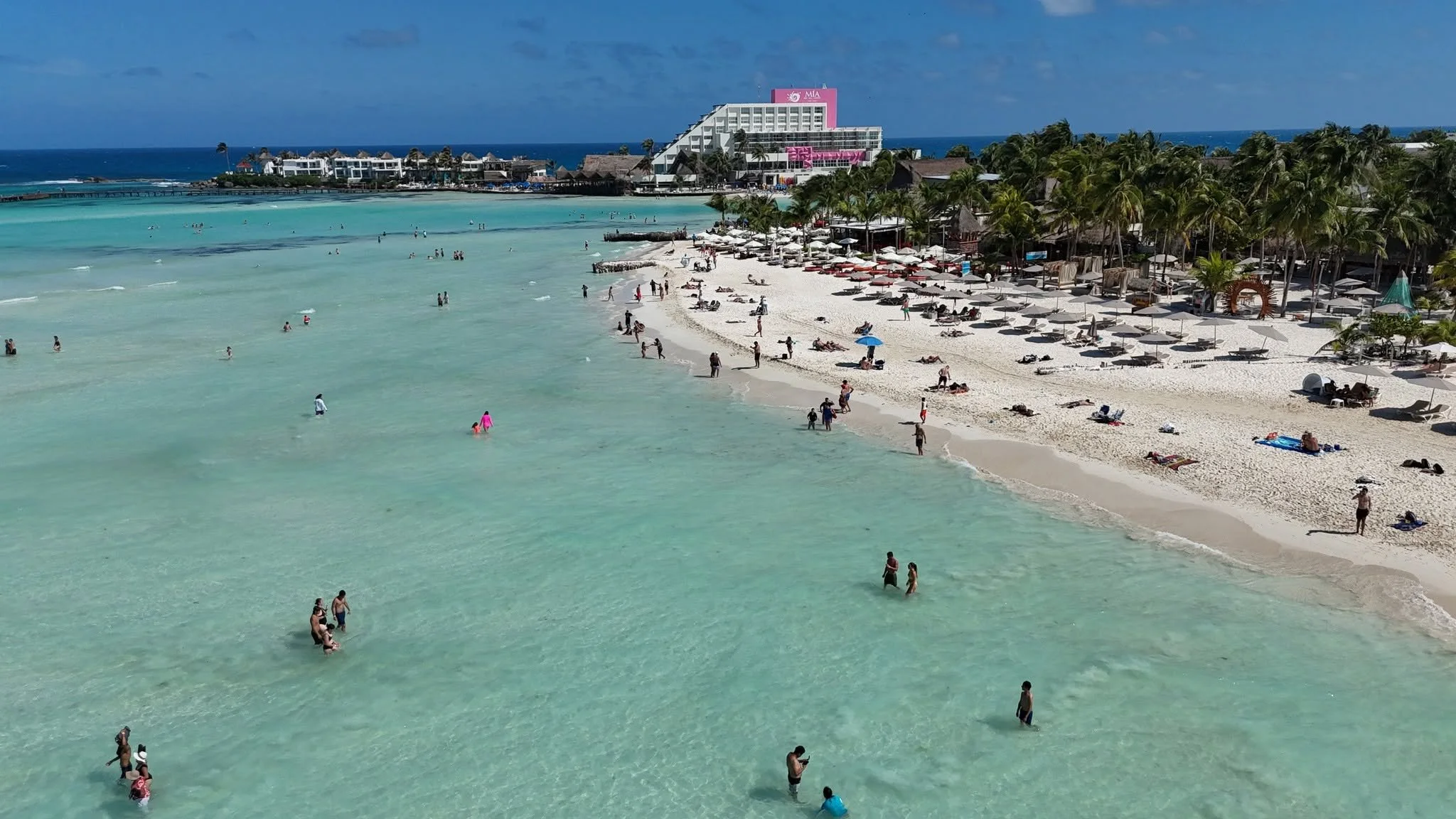
Another excellent option.
Many of the island's beaches experience less sargassum than parts of the mainland.
The famous Playa Norte consistently ranks among Mexico's most beautiful beaches.
The island is perfect for:
Golf cart exploration
Snorkeling
Catamaran tours
Sunset watching
Relaxed Caribbean vibes
Escape to Holbox
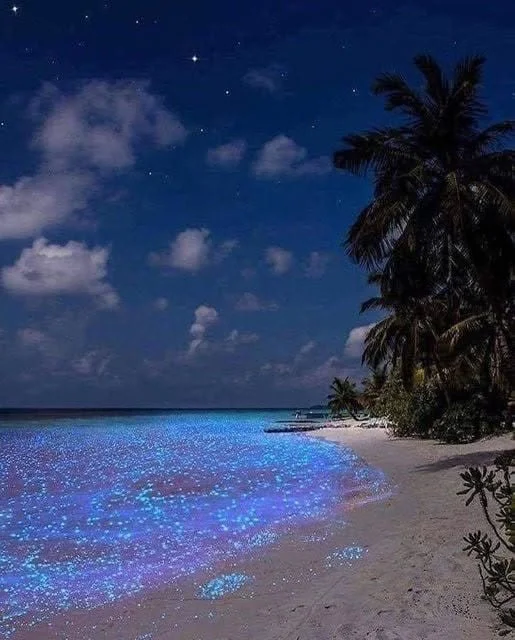
Holbox feels like stepping into another world.
There, there are no cars.
No large resorts.
No high-rises.
No traffic lights.
Just sandy streets, golf carts, and a laid-back atmosphere that reminds you to slow down.
Depending on conditions, Holbox often experiences less sargassum than parts of the Riviera Maya coastline and remains one of Mexico's most beloved island destinations.
During some times of the year, you can see bioluminescence on some of the beaches.
Explore Attractions Beyond the Beaches
One of the biggest mistakes visitors make is assuming that the Riviera Maya is only about beaches.
In reality, some of the region's most fascinating experiences are found inland, hidden within the jungle, small villages, ancient archaeological sites, and natural reserves.
In fact, many of my favorite days in the Riviera Maya have involved never stepping foot on the beach at all.
If you're visiting during sargassum season, it's the perfect opportunity to discover another side of the Yucatán Peninsula.
Drive the Ruta de los Cenotes
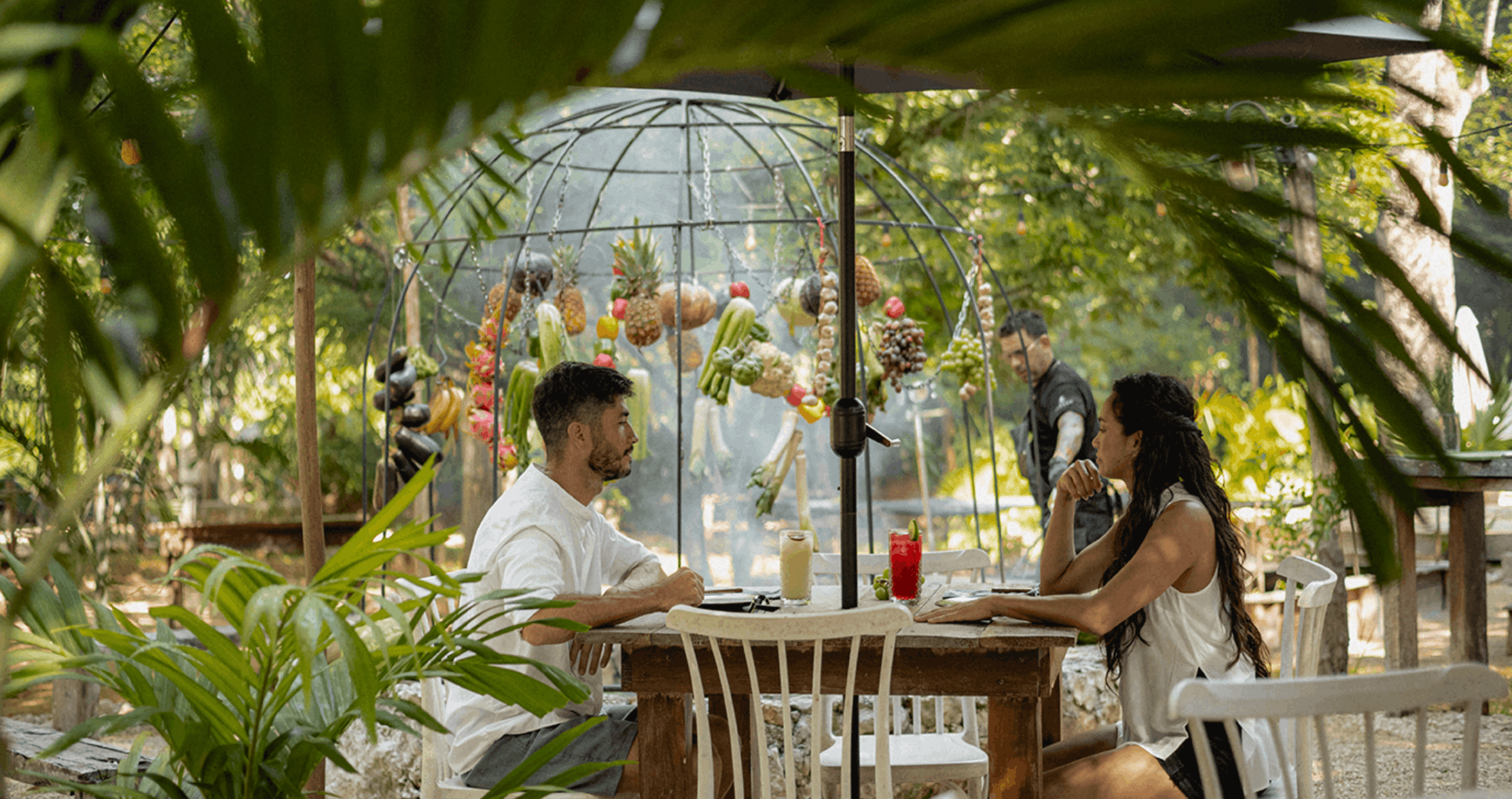
Located between Puerto Morelos and Leona Vicario, the Ruta de los Cenotes is one of the Riviera Maya's best-kept secrets.
This scenic road winds through the jungle and provides access to dozens of cenotes, adventure parks, zip lines, horseback riding experiences, ATV tours, and nature reserves.
Some cenotes are highly developed with restaurants and amenities, while others feel like hidden jungle swimming holes. I recommend stopping at restaurant Fuegos for lunch, a farm-to-table restaurant concept in the middle of the jungle.
The beauty of the Ruta de los Cenotes is that you can spend an entire day exploring and never run out of new places to discover.
For nature lovers, photographers, and families, it's one of the best day trips in the region.
To learn more, read our article “Ruta de los Cenotes: Your Essential Guide to Puerto Morelos' Natural Wonders”.
Visit Francisco Uh May
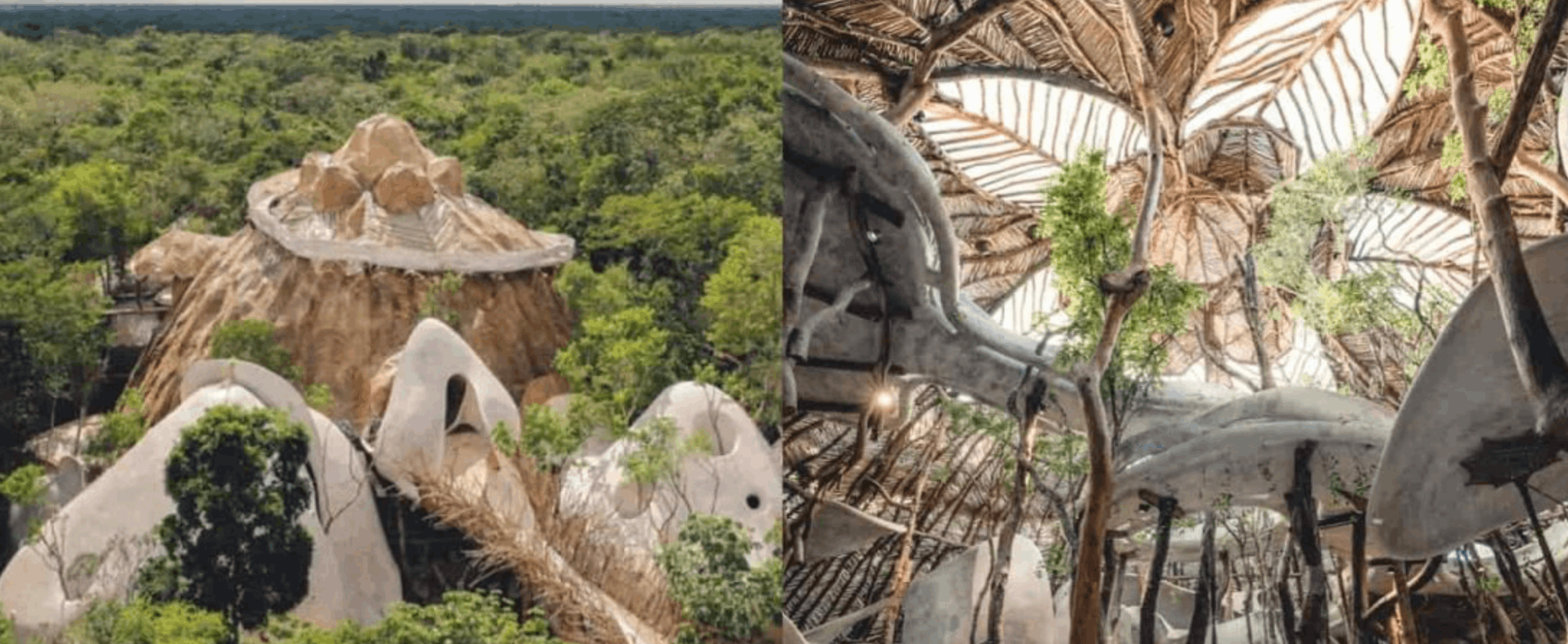
Located just outside Tulum, Francisco Uh May offers a glimpse into a slower, more authentic side of the Yucatán Peninsula.
This small village has become increasingly popular among artists, creatives, and entrepreneurs looking to preserve local culture while creating unique experiences.
You'll find:
Artisan workshops
Local markets
Cultural events
Traditional food
Boutique jungle projects
Art installations like the Azulik Uh May Centro de Arte
The pace here feels worlds away from the energy of Tulum's hotel zone.
If you're looking to connect with local culture and support small businesses, Francisco Uh May is worth the detour.
Discover Chichén Itzá
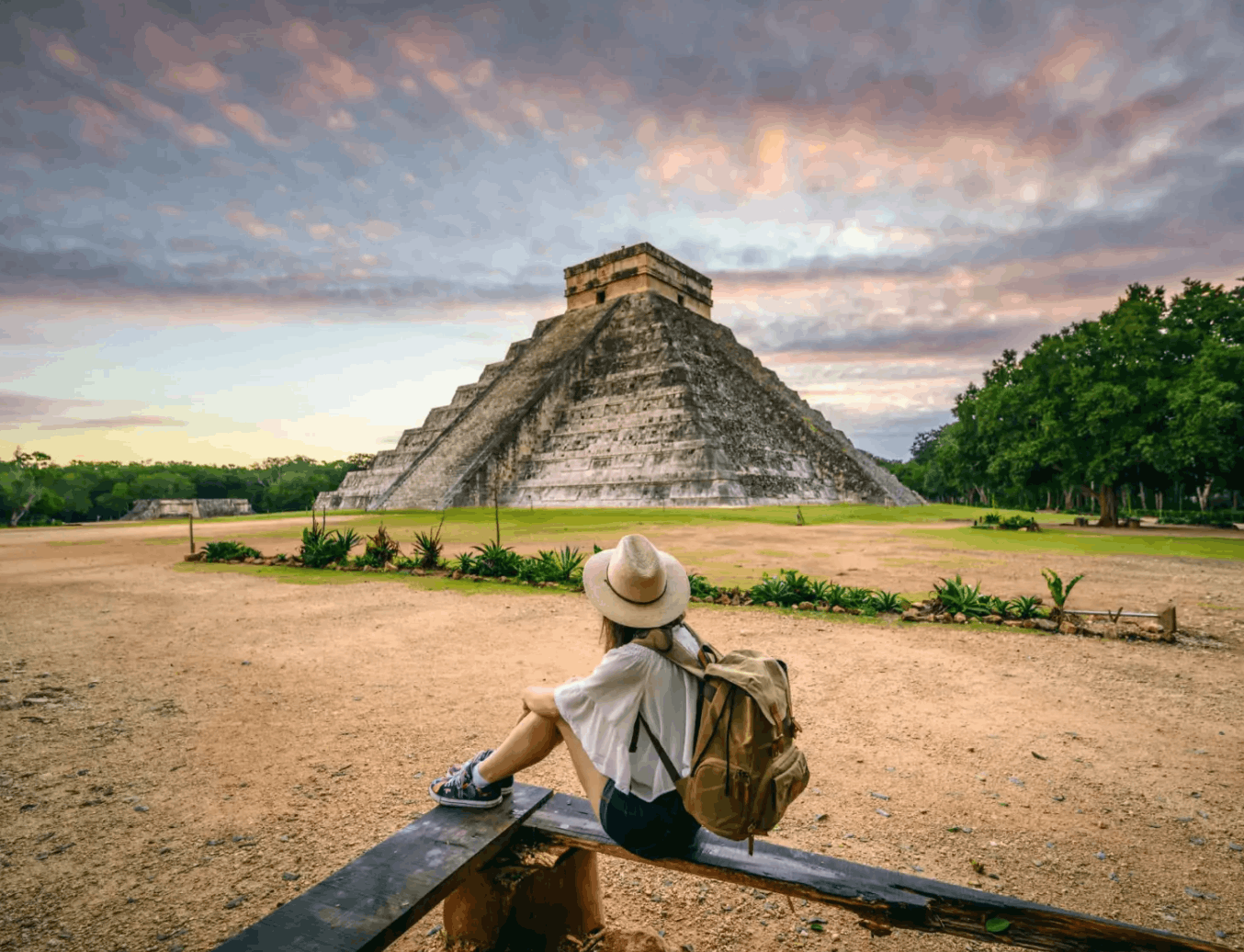
Photo credit KAYAK
No list would be complete without mentioning one of the New Seven Wonders of the World.
Chichén Itzá is one of the most important archaeological sites in Mexico and offers an incredible opportunity to learn about the ingenuity of the ancient Maya civilization.
The iconic Temple of Kukulcán is just one part of the complex.
Visitors can also explore:
The Great Ball Court
The Temple of Warriors
Ancient observatories
Sacred ceremonial spaces
Impressive examples of Mayan engineering
Arriving early in the morning is highly recommended, especially during warmer months.
Even if you're not typically a history enthusiast, standing in front of structures that have existed for nearly a thousand years is a powerful experience.
Visit Valladolid
One of my favorite day trips from the Riviera Maya.
Located between Playa del Carmen and Mérida, Valladolid is a charming colonial city filled with colorful architecture, beautiful churches, traditional restaurants, and authentic Yucatecan culture.
Highlights include:
Calzada de los Frailes
San Servacio Cathedral
Local markets
Traditional Yucatecan cuisine
Cenotes located directly within the city
It's the perfect destination for a slower-paced day of exploration.
Experience Sian Ka'an Biosphere Reserve
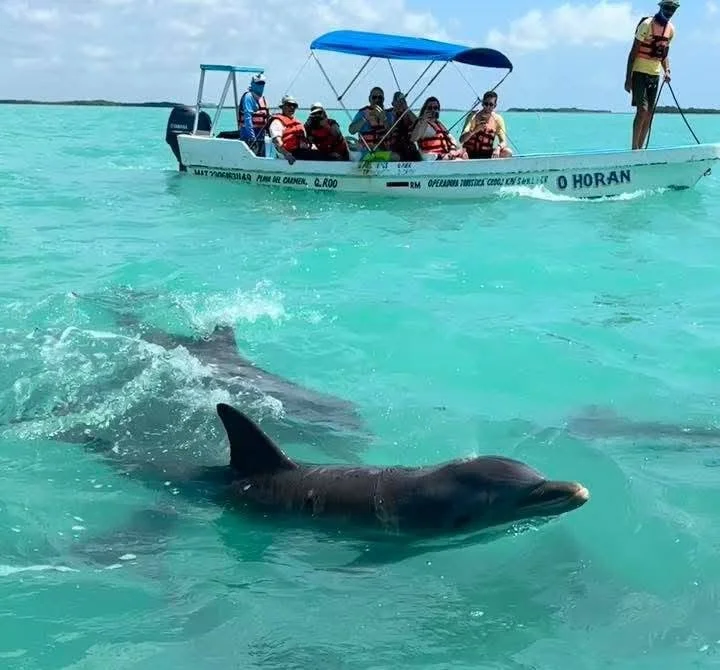
Photo credit French Riviera Tours
For nature lovers, few places compare to Sian Ka'an.
This UNESCO World Heritage Site protects more than one million acres of coastal ecosystems, lagoons, mangroves, wetlands, and tropical forests.
Depending on the tour you choose, you may encounter:
Dolphins
Sea turtles
Manatees
Crocodiles
Exotic birds
Pristine lagoons
The reserve offers one of the most untouched and wild experiences remaining in the Riviera Maya.
It's a reminder of what this region looked like long before major tourism arrived.
Swim with Turtles in Akumal
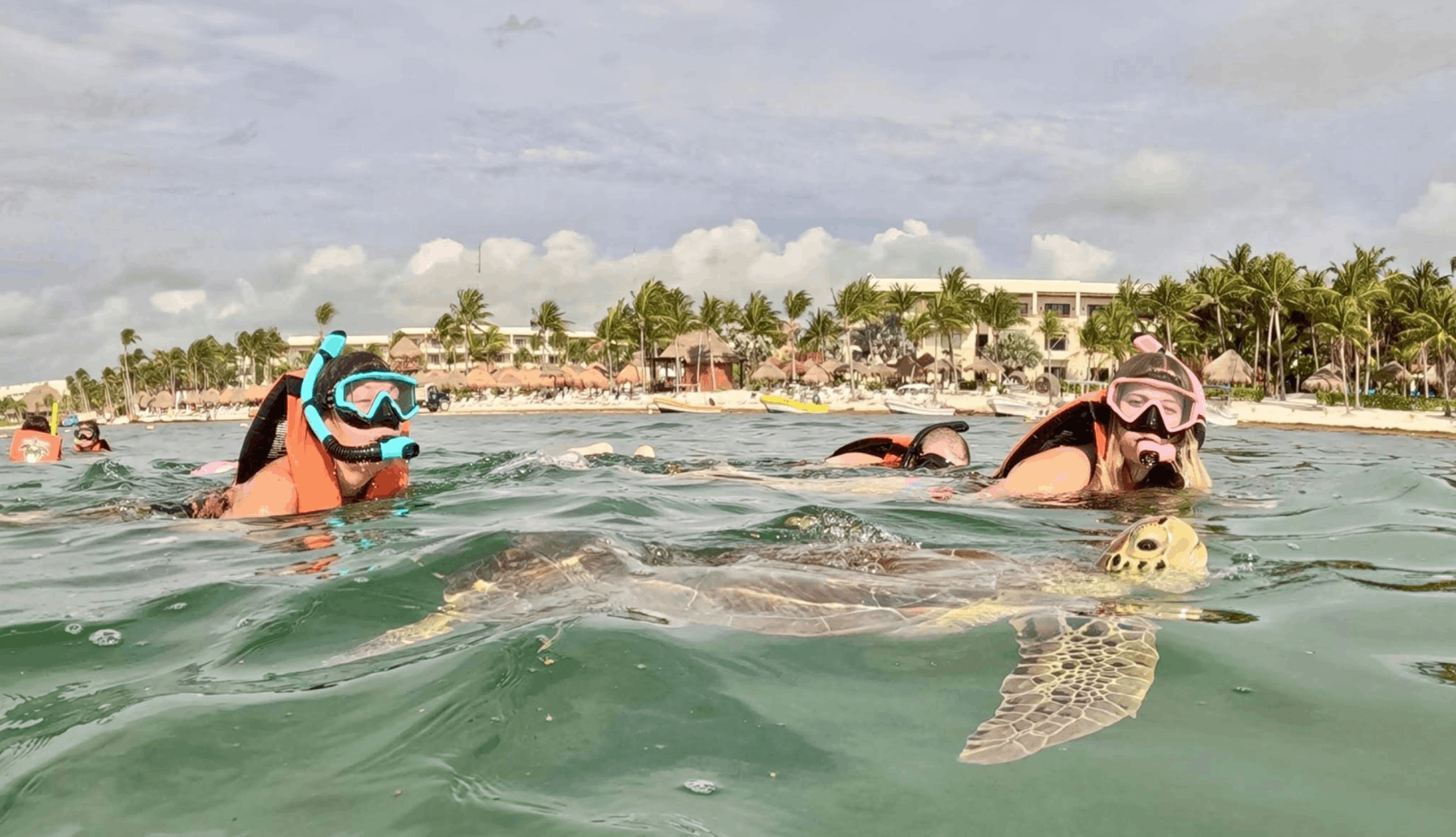
Photo credit Victor M. Martinez
While technically a beach experience, Akumal deserves a special mention because visitors come for the wildlife as much as the ocean itself.
Akumal means "Place of the Turtles" in the Mayan language, and the bay remains one of the most reliable places in Mexico to observe sea turtles in their natural habitat.
Guided snorkeling tours allow visitors to safely and responsibly view these incredible animals while supporting conservation efforts.
It's often one of the most memorable experiences people have during their trip.
Explore the Rio Secreto Underground River
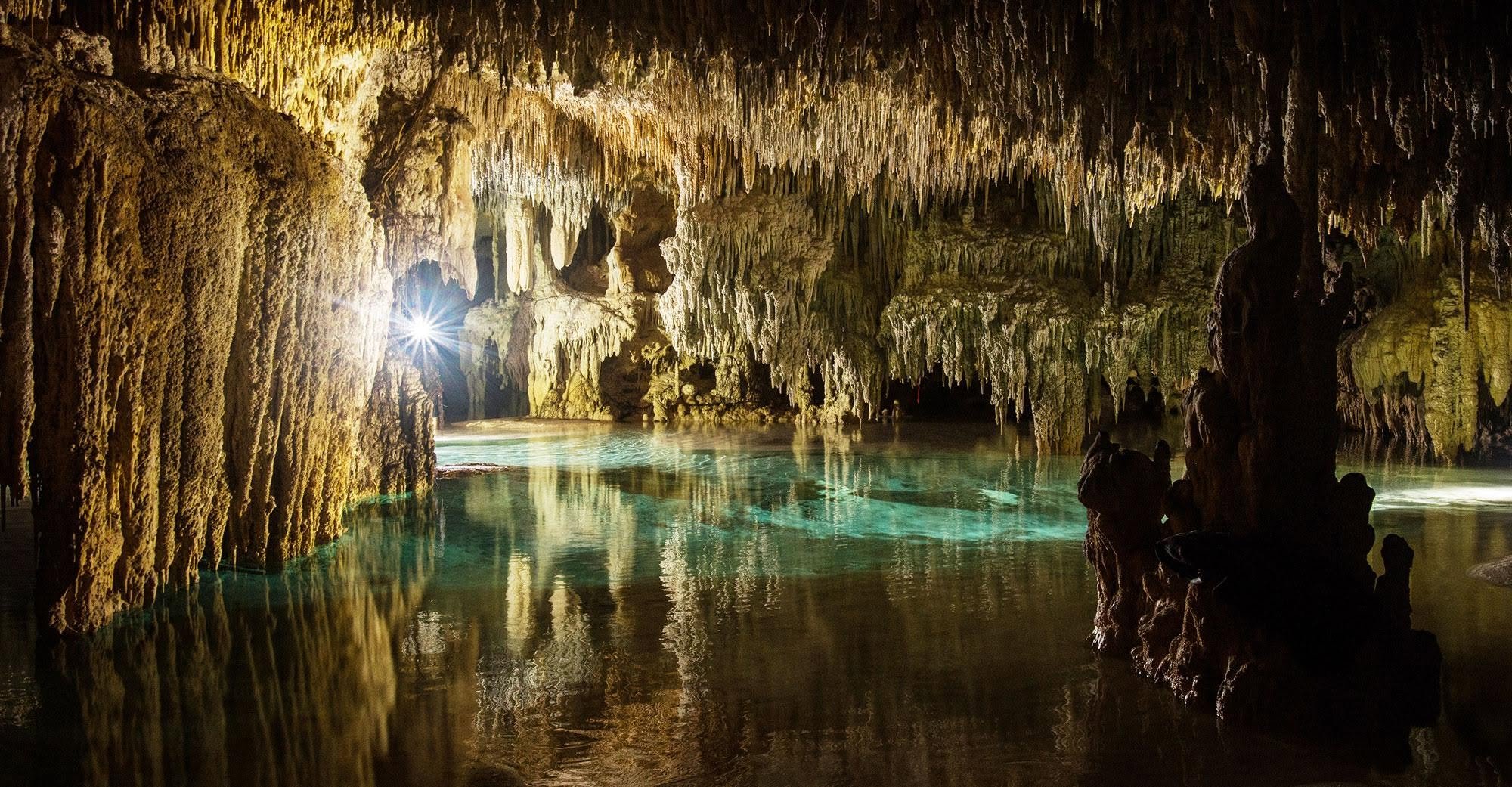
Photo credit TopKlass Travel
If you're looking for something truly unique, Rio Secreto offers an unforgettable journey through an underground river system hidden beneath the jungle.
Equipped with a helmet and headlamp, visitors walk and swim through spectacular cave formations surrounded by stalactites, stalagmites, and crystal-clear freshwater.
The experience feels almost otherworldly and provides a deeper appreciation for the vast underground world that exists beneath the Yucatán Peninsula.
One of the reasons so many people fall in love with the Riviera Maya is that there is always something new to discover. The beaches may draw people here initially, but it's often the cenotes, villages, ruins, nature reserves, culture, and adventures beyond the coastline that keep them coming back year after year.
Why People Choose the Riviera Maya—Even If There’s Sargassum
This might be the most important point of all.
People don't move to the Riviera Maya because every day is beach worthy.
They move here because their overall quality of life improves.
They spend more time outside.
They meet people from around the world.
They become more active.
They reconnect with nature.
They slow down.
And they often find themselves living a lifestyle they didn't realize was possible back home.
Sargassum may occasionally affect a beach.
It doesn't affect the sunshine.
It doesn't affect the cenotes.
It doesn't affect the friendships.
It doesn't affect the sunsets.
It doesn't affect the morning coffee on your terrace.
It doesn't affect your paddle match, your yoga class, your weekend trip to Bacalar, or your walk through a jungle-lined community.
Should You Visit or Invest in the Riviera Maya If There’s Sargassum? My answer.
If you're considering a trip, a move, or an investment in the Riviera Maya, don't let sargassum headlines scare you away.
Like hurricanes, rainy season, or winter snow in northern countries, it's simply one of the natural realities of living in a beautiful part of the world.
The region continues to adapt.
Solutions continue to improve.
And most importantly, life continues to be extraordinary here.
After living in the Riviera Maya for several years, I can honestly say that the moments I treasure most have very little to do with whether there was seaweed on the beach that day.
They have everything to do with the life I've built here.
And that's something no amount of sargassum changes.