Ruta de los Cenotes: Your Essential Guide to Puerto Morelos' Natural Wonders
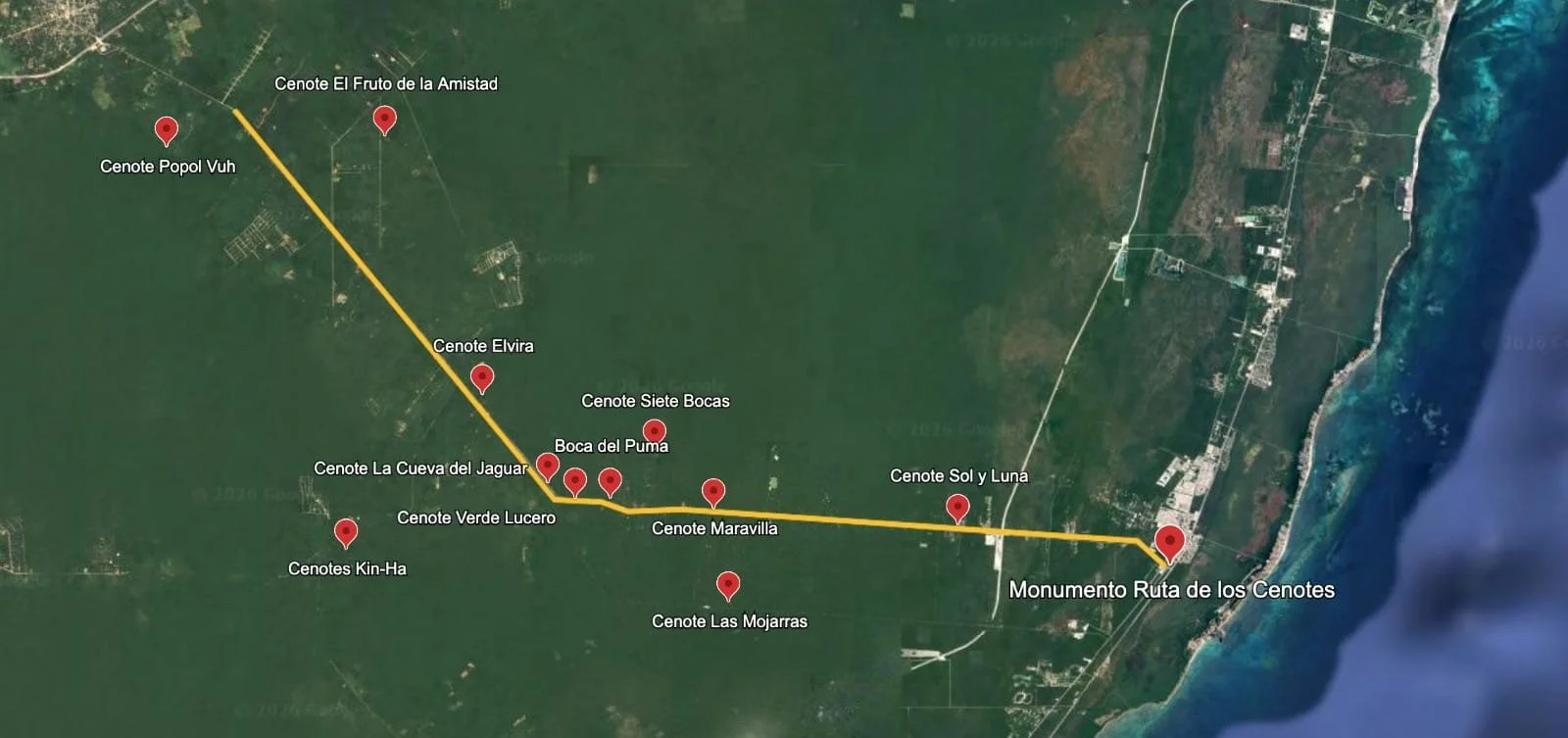
Just inland from the quiet fishing town of Puerto Morelos, the Ruta de los Cenotes cuts through miles of lush jungle, revealing one of the Riviera Maya’s most extraordinary natural landscapes. The first time we explored this road, it didn’t feel like a typical outing. It felt like discovering a hidden world. Every few minutes there was another entrance to a cenote, another stretch of untouched nature, another reason to slow down and stay awhile.
If you’ve never heard of the Ruta de los Cenotes before, think of it as a scenic corridor that connects dozens of freshwater sinkholes scattered along an old jungle road. These cenotes — natural pools formed thousands of years ago when limestone collapsed over underground rivers — were once sacred water sources for the ancient Maya. Today, they offer a completely different side of the Riviera Maya, one that goes beyond beach clubs and resorts and brings you closer to the raw beauty of the region.
What makes this route so special is the variety you experience in a single day. Some cenotes open wide to the sky like natural swimming lagoons, while others are hidden caves filled with stalactites and glowing blue water. Places like Cenote Verde Lucero sit just off the main road, while deeper along the route you’ll find unique formations like the famous “Hell’s Bells” at Cenote Zapote. Each stop feels different. And that’s part of the magic.
But the Ruta de los Cenotes is evolving into more than just a weekend adventure. Alongside the natural wonders, new eco-conscious communities and lifestyle projects are beginning to take shape, attracting buyers and investors looking for space, nature, and long-term growth outside the busier tourist zones. Projects like Blue Zone Mexico reflect a shift toward sustainable living and thoughtful development, hinting at what the future of Puerto Morelos could look like.
In this guide, I’ll walk you through what the Ruta de los Cenotes actually is, the different types of cenotes you’ll encounter, the best stops along the route, experiences that go beyond swimming, and why this jungle corridor is quietly becoming one of the most interesting areas to watch, both for adventure seekers and for real estate investors looking ahead.
What is the “Ruta de Los Cenotes”?
The Ruta de los Cenotes is a scenic jungle road that begins just outside Puerto Morelos and stretches inland toward Leona Vicario. At first glance, it might look like a simple detour off the highway, but once you start driving it, you quickly realize it’s one of the most unique landscapes in the Riviera Maya. Instead of beach clubs and busy avenues, you’re surrounded by dense greenery, quiet entrances to hidden cenotes, eco-parks, and small family-run experiences that feel far removed from the usual tourist path.
Running roughly 35 kilometers (about 22 miles), the route connects dozens of cenotes, adventure parks, and nature reserves. Some stops are well-known and developed with amenities like restaurants, zip lines, or guided tours, while others feel more intimate and untouched.
What I love about this road is how it reveals a different rhythm of life in the Riviera Maya. You can start your morning swimming in a crystal-clear cenote, stop for lunch at Fuegos (a far-to-table restaurant), and end the day watching the sun filter through the trees on your way back toward the coast. It’s not just a destination. It’s an experience you move through slowly.
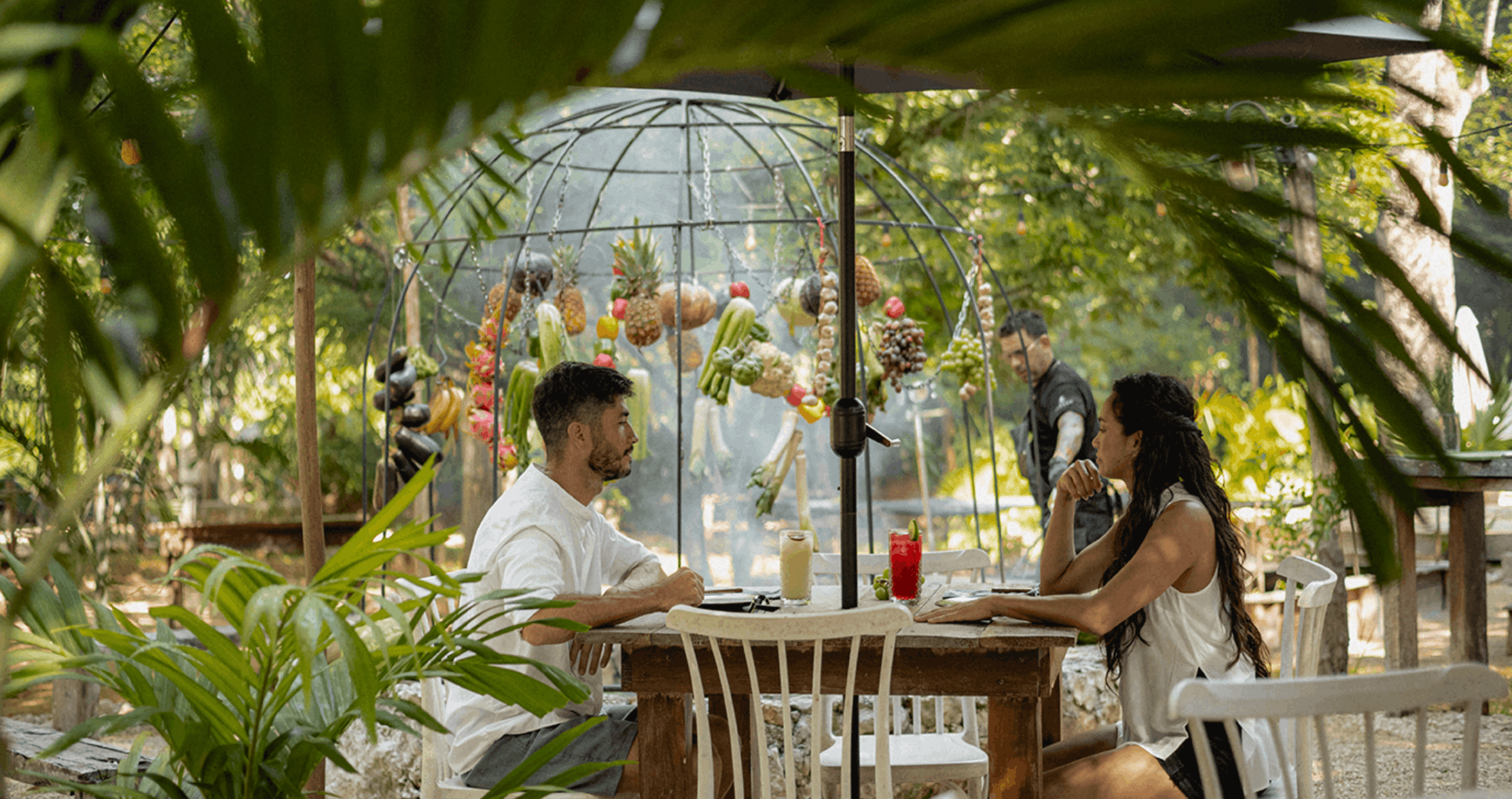
Stopping at Fuegos de Xul-Ha is a must! Don’t miss this unforgettable farm-to-table experience along the Ruta de los Cenotes.
Over the past few years, the Ruta de los Cenotes has also begun to attract attention beyond tourism. With its proximity to Puerto Morelos, Cancún International Airport, and the growing demand for nature-focused living, this area is evolving into a corridor for eco-conscious communities and boutique developments. Projects like Blue Zone Mexico are emerging here with a vision of low-density living that respects the jungle while offering modern comfort — something that resonates deeply with buyers looking for privacy, space, and long-term value.
As you continue through this guide, you’ll see how the Ruta de los Cenotes blends adventure, culture, and lifestyle from understanding what cenotes actually are, to discovering the best ones to visit, and exploring how this once-hidden road is shaping the future of Puerto Morelos.
What Are “Cenotes”?
If you’re new to the Riviera Maya, the word cenote might sound unfamiliar — but once you experience one, it’s something you never forget. Cenotes are natural freshwater pools formed thousands of years ago when sections of limestone collapsed, revealing the underground river system that runs beneath the Yucatán Peninsula. Because this region doesn’t have surface rivers or lakes, these hidden water sources became essential to life here long before modern development arrived.
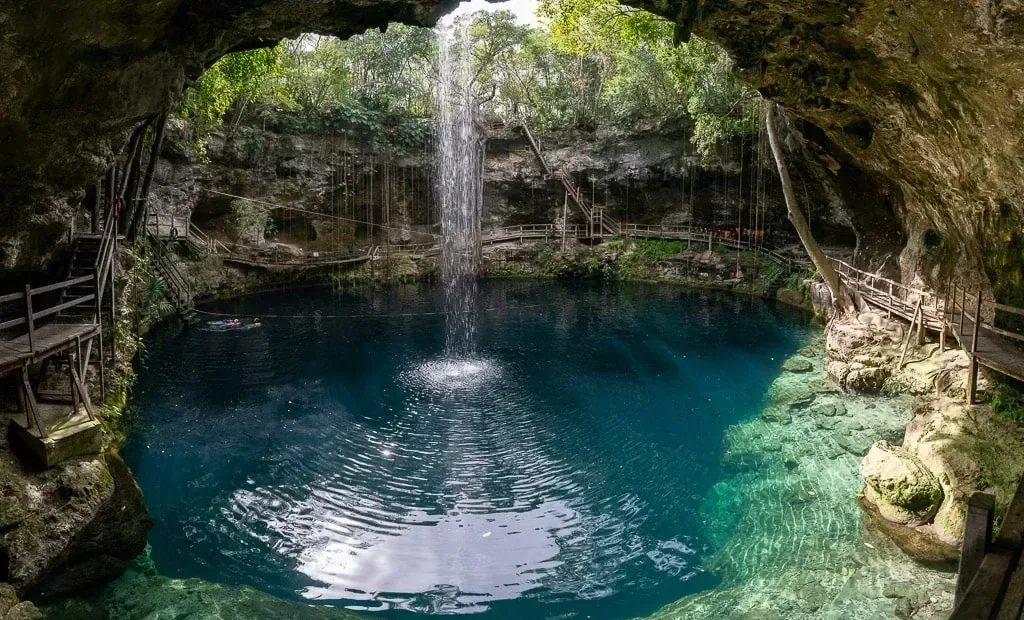
What makes cenotes so unique is their incredible clarity. The water is naturally filtered through layers of limestone, giving it that signature turquoise and deep-blue color you see in photos — but in person, it feels even more surreal. Some cenotes are wide open to the sky, surrounded by jungle, while others are tucked inside caves where sunlight filters through small openings above. Every cenote has its own personality, which is why exploring several along the Ruta de los Cenotes never feels repetitive.
Beyond their natural beauty, cenotes hold deep cultural significance. For the ancient Maya, they were sacred spaces connected to the spiritual world, used for ceremonies and as vital sources of fresh water. That sense of reverence is still felt today, especially in quieter cenotes where you can float in complete silence and feel completely immersed in nature.
One of the things I always tell clients and friends visiting the area is that cenotes aren’t just places to swim — they’re experiences. Some are perfect for a relaxed afternoon with family, others attract divers exploring underwater caves, and a few offer more adventurous activities like zip lines or cliff jumps. Along the Ruta de los Cenotes, you’ll find a mix of all these styles, which is part of what makes the region so special.
And interestingly, cenotes are also shaping how development happens here. Because they’re protected natural features, many eco-focused communities — including projects like Blue Zone Mexico — are designed to work around the landscape rather than against it. It’s one of the reasons the area feels different from more densely built parts of the Riviera Maya, and why so many people are drawn to the idea of living closer to nature while still being connected to Puerto Morelos and Cancún.
Best Cenotes Along the Ruta de los Cenotes
One of the things I always tell clients or friends visiting Puerto Morelos is that you don’t need to rush the Ruta de los Cenotes. The beauty of this road is in the stops you make along the way. Each cenote feels completely different, and part of the experience is discovering which ones match your mood that day. Some are adventurous and dramatic, others feel peaceful and almost meditative. Here are a few of the standout cenotes worth adding to your route.
Cenote Verde Lucero
Location: https://maps.app.goo.gl/wUnMoftjdfNzP2LU8
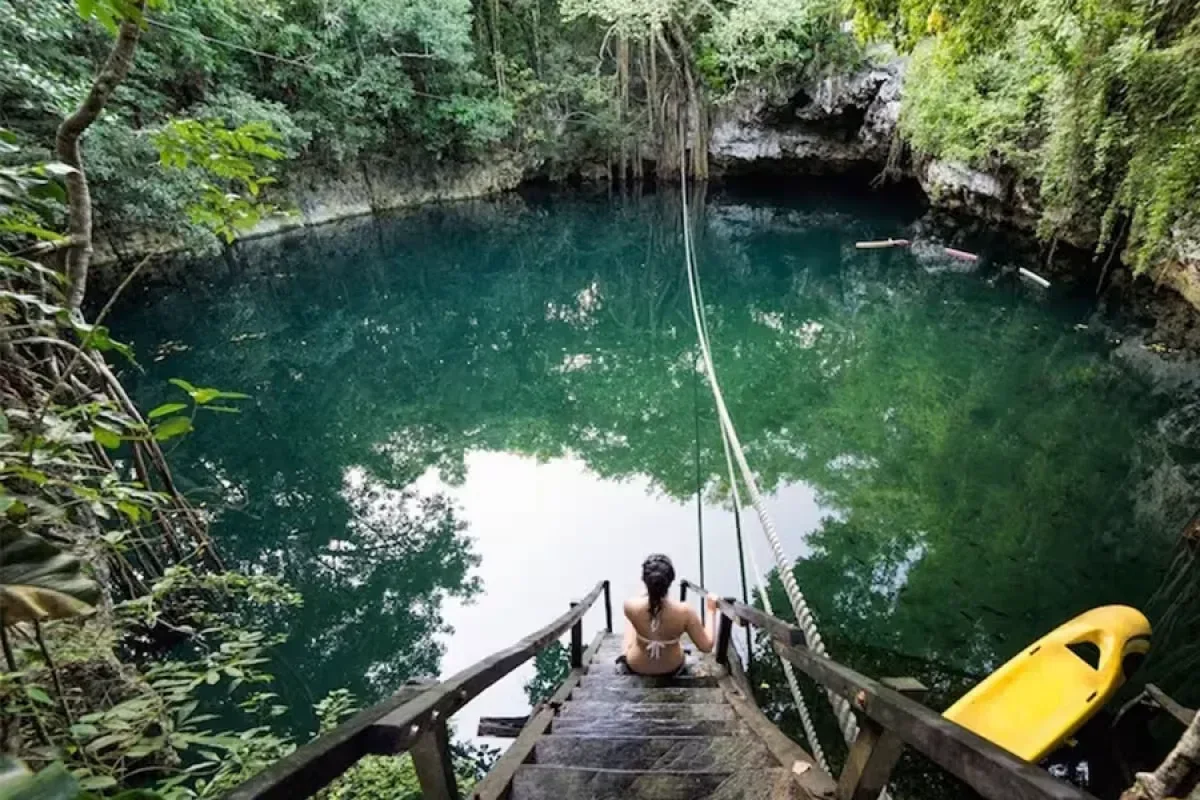
If you’re looking for that classic open-air cenote experience, Verde Lucero is usually one of my first recommendations. It’s easy to access and has a relaxed atmosphere, with crystal-clear water surrounded by jungle. You’ll often see people jumping from small platforms into the water or floating quietly beneath the trees. It’s the kind of place where you can spend a couple of hours without feeling rushed — simple, beautiful, and very connected to nature.
Cenote Zapote
Location: https://maps.app.goo.gl/FXE6YGZsS7Yu6tRv6
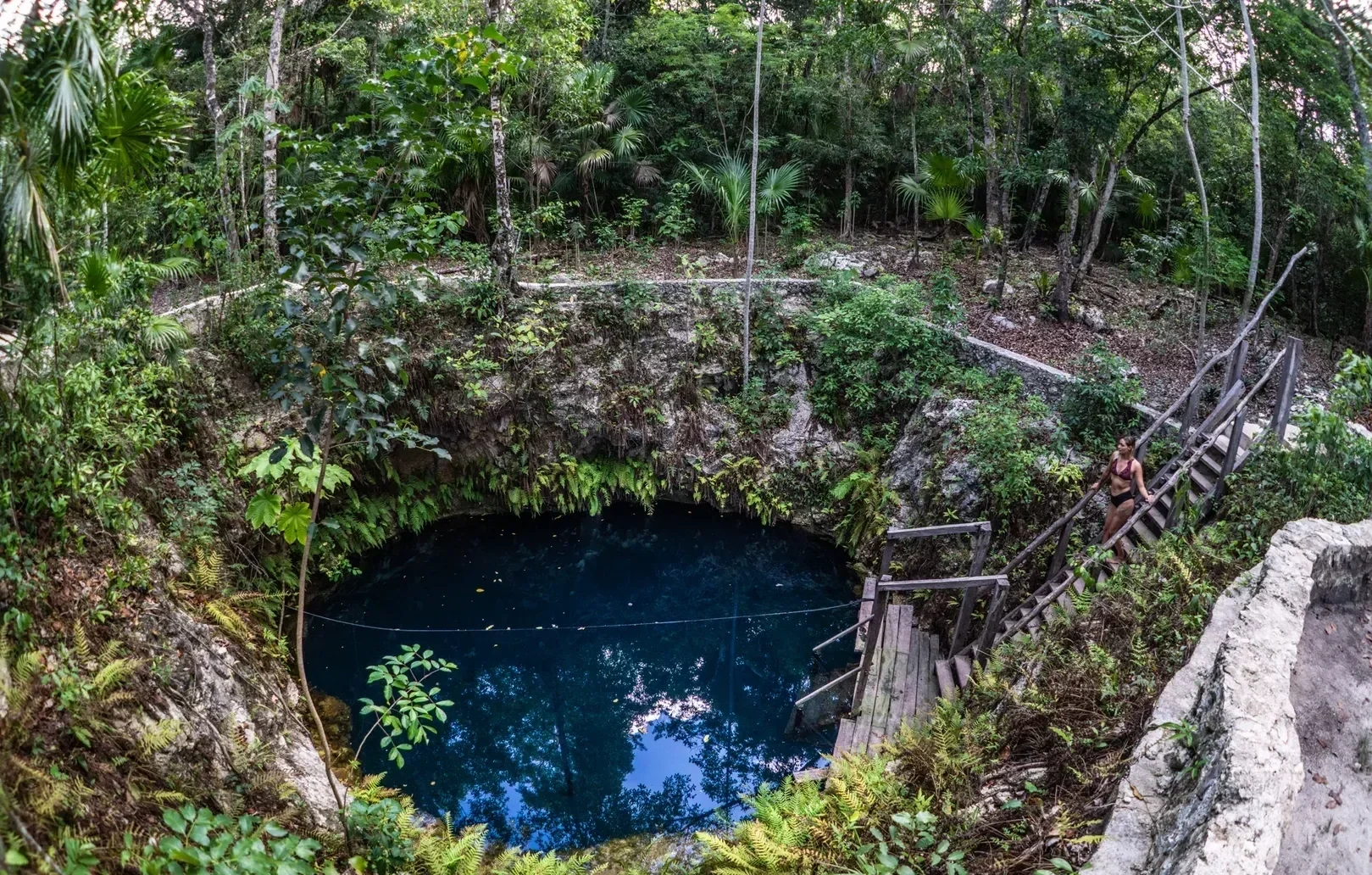
For something a little more adventurous, Cenote Zapote offers a completely different experience. This cenote is known for its deep cylindrical shape and the rare underwater formations called “Hell’s Bells,” which attract divers from all over the world. Even if you’re not diving, the setting feels dramatic: towering walls, filtered sunlight, and a sense of depth that makes it unforgettable.
Kin Ha Cenote
Location: https://maps.app.goo.gl/pnqvKogy8HUV7fBJ7
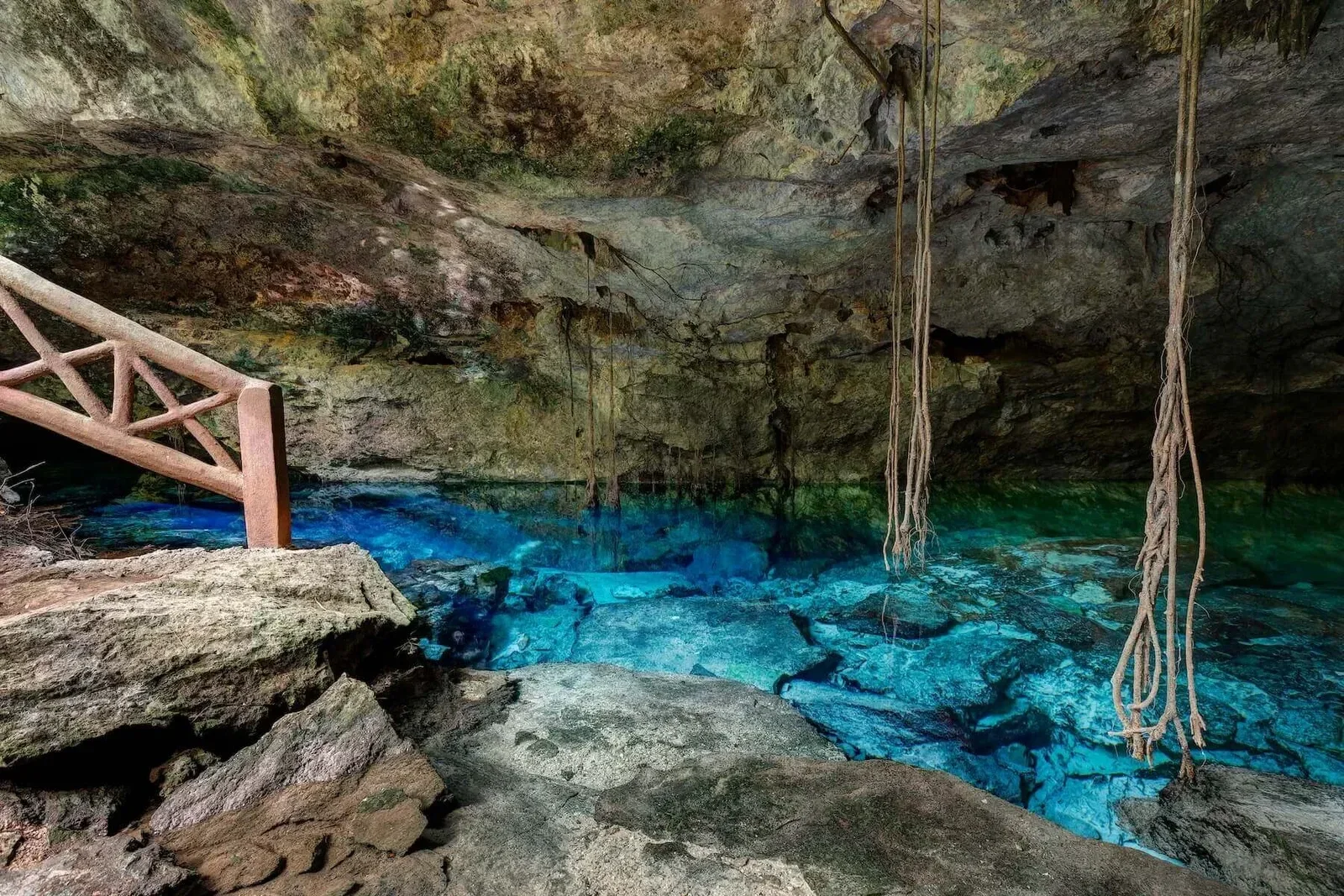
Kin Ha is a great stop if you’re traveling with friends or family and want a mix of adventure and fun. The cenote itself sits inside a cavern, with wooden staircases leading down into vibrant blue water. There’s also a more open cenote nearby, plus activities like zip lines and ATV tours for those who want to turn the day into more of an experience. It’s a lively stop that still feels rooted in the jungle.
La Noria
Location: https://maps.app.goo.gl/RLyqyjaQZyAWaJax6
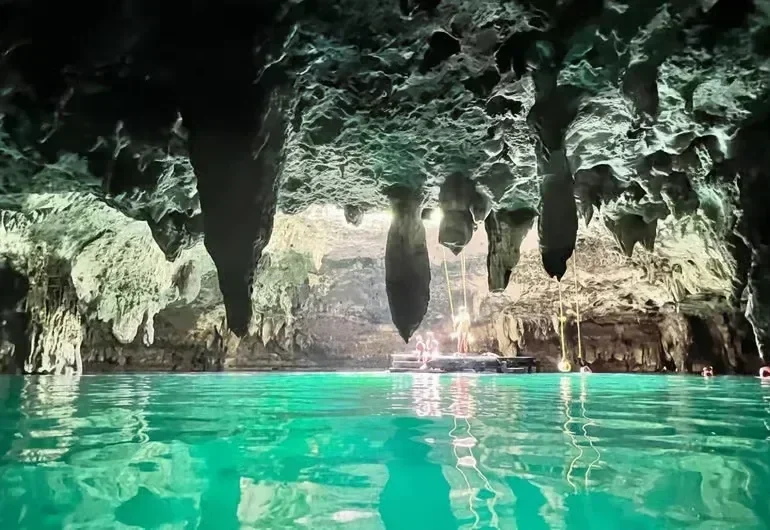
La Noria is often overlooked, which is part of its charm. It feels quieter and more local, surrounded by lush greenery. The atmosphere here tends to be slower and more intimate, making it ideal if you want to avoid bigger crowds and just enjoy a peaceful swim.
Siete Bocas
Location: https://maps.app.goo.gl/esADhv7JZi387vcK8
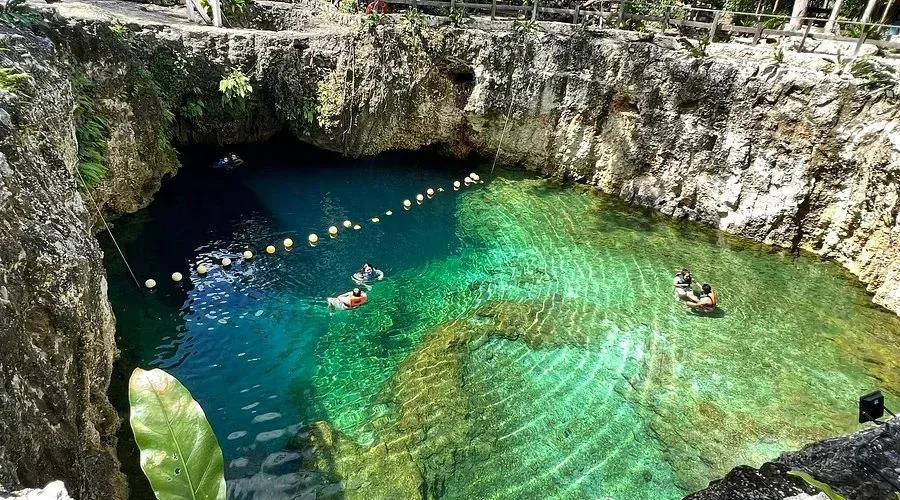
Siete Bocas is one of the more unique cenotes along the route because of its cave system. The name comes from the seven openings that allow beams of sunlight to reach the water below, creating a magical glow. Swimming here feels almost surreal. Cool water, echoes inside the cave, and moments where everything goes completely still.
What I love most about exploring these cenotes is that no two visits feel the same. One day might be about adventure and discovery, while another is just about slowing down, floating in freshwater, and listening to the jungle around you. And as more people begin to discover the Ruta de los Cenotes, these natural experiences are shaping the lifestyle appeal of the region, inspiring eco-conscious developments like Blue Zone Mexico, where the goal isn’t to replace nature but to live alongside it.
Experiences Beyond the Cenotes
While the cenotes are often what first draw people to this jungle corridor, the Ruta de los Cenotes offers so much more than just swimming spots. One of the things I love most about spending time here is that every visit can feel different depending on what you’re in the mood for: adventure, relaxation, or simply disconnecting from the noise of everyday life.
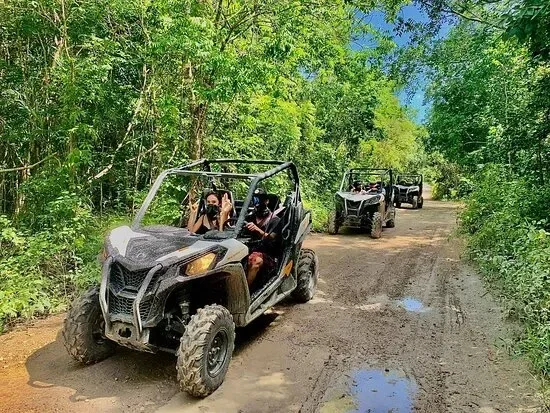
For those who enjoy a bit of adrenaline, several eco-parks along the route offer zip lines through the jungle canopy, ATV tours, horseback riding, and guided nature walks. These experiences give you a completely different perspective of the landscape, moving through dense greenery and open clearings that make you realize just how expansive this region really is. It’s the kind of setting where you can spend an entire day outdoors and still feel like you’ve only scratched the surface.
If your ideal day leans more toward slow living, you’ll also find small jungle restaurants and palapa-style spots where you can stop for fresh local food, sip something cold, and just enjoy the quiet. The pace is completely different from the beachside energy of Playa del Carmen or Cancún. It’s softer, more grounded, and deeply connected to nature.
Another side of the Ruta de los Cenotes that surprises many visitors is its growing equestrian and outdoor lifestyle scene. El Rey Polo Country Club, located along the route, adds a unique layer to the area’s identity. Watching polo matches or simply seeing horses moving through open green fields feels worlds away from the typical Riviera Maya experience, and it hints at the type of community that’s quietly taking shape here. It’s one centered around space, nature, and a more refined, outdoor-focused lifestyle.

Wellness experiences are also becoming part of the landscape, with yoga sessions surrounded by jungle, temazcal ceremonies, and eco-spa retreats attracting people who want something more meaningful than a typical tourist outing. There’s a clear shift toward mindful travel and intentional living, and you can feel it as soon as you spend time here.
And this evolving lifestyle is exactly why the Ruta de los Cenotes is starting to gain attention beyond tourism. As more people fall in love with the idea of living closer to nature (without giving up access to Cancún’s airport or the charm of Puerto Morelos’ beaches) the area is quietly becoming a hub for eco-conscious communities. Developments like Blue Zone Mexico reflect this new vision, where architecture blends into the jungle and the focus is on privacy, sustainability, and long-term quality of life.
Whether you’re coming here for adventure, wellness, or simply to explore, the Ruta de los Cenotes offers a glimpse into a different side of the Riviera Maya — one that feels grounded, authentic, and full of possibility.
The Future of the Ruta de los Cenotes
What makes the Ruta de los Cenotes especially interesting right now isn’t just what it is today — it’s what it’s quietly becoming.
Over the past few years, there has been a noticeable shift in how both locals and newcomers are viewing this part of Puerto Morelos. Instead of seeing it only as a place to visit for a day trip, more people are beginning to imagine what it would feel like to actually live here — surrounded by jungle, fresh air, and a slower rhythm that feels increasingly rare along the coast.
Part of that evolution comes from growing government investment in infrastructure across the region. Improvements to connectivity, including the continued expansion and modernization of the Leona Vicario highway, are making access easier while still preserving the natural character that draws people here in the first place. As accessibility improves, the Ruta de los Cenotes is becoming less of a hidden secret and more of a thoughtfully emerging corridor between Puerto Morelos, Cancún, and inland communities.
At the same time, a new wave of buyers and residents is shaping the identity of the area. Many are people who have spent years in busier beach destinations and are now seeking something more intentional: space to breathe, proximity to nature, and communities that feel grounded rather than overbuilt. You can sense this shift in the types of projects beginning to appear: smaller-scale, eco-conscious developments designed to blend into the landscape instead of dominating it.
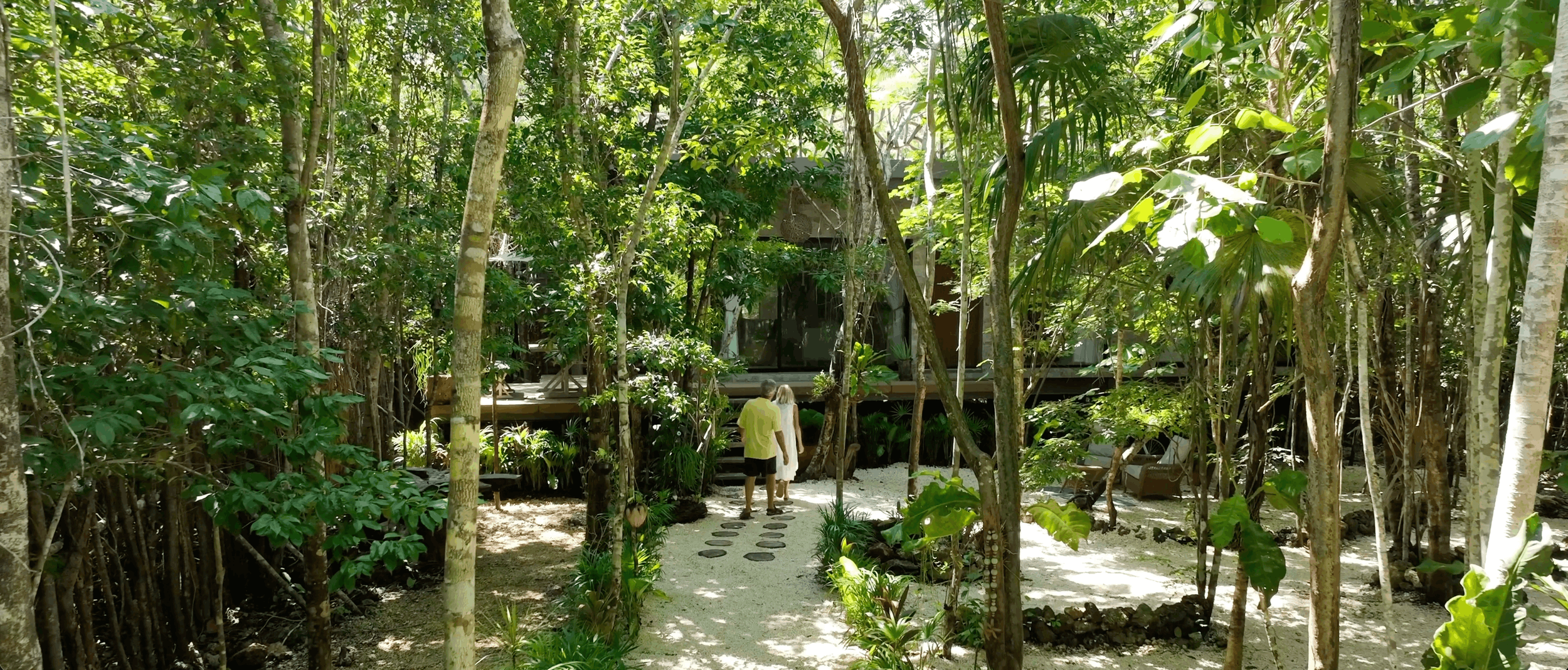
Discover Xul-Ha Eco Habitat. 2-3 Bedroom Homes on 1,000m2 Lots Starting at $190,000 USD. Learn more.
Projects like Blue Zone Mexico are a reflection of this new mindset. Rather than replicating the high-density model seen in parts of the Riviera Maya’s past growth, these communities focus on low-impact design, privacy, and long-term sustainability. There’s a collective awareness here — from developers, buyers, and even local authorities — that the future of the Ruta de los Cenotes depends on learning from how other areas of the Mayan Riviera evolved, balancing progress with preservation.
What excites me most is that the region still feels early in its story. The jungle remains the main character, the pace is slower, and there’s a sense that development is being approached more thoughtfully than in previous growth cycles. For visitors, it means discovering a place that still feels authentic. For investors, it represents an opportunity to be part of a region that is growing with intention, where lifestyle and long-term vision intersect.
Why the Ruta de los Cenotes Is One of Puerto Morelos’ Most Exciting Areas to Explore — and Watch
The Ruta de los Cenotes is more than just a scenic road lined with freshwater pools — it’s a glimpse into a different way of experiencing the Riviera Maya. Here, the jungle sets the pace, the air feels lighter, and every turn invites you to slow down and reconnect with nature in a way that’s becoming increasingly rare along the coast.
From understanding what cenotes are and discovering the best ones to visit, to exploring equestrian spaces like El Rey Polo Country Club or wellness experiences hidden in the trees, this region offers a lifestyle that goes far beyond a typical day trip. It’s a place where adventure, tranquility, and community quietly come together.
And as the area continues to evolve, the Ruta de los Cenotes is also becoming one of the most intriguing places to watch from a real estate perspective. With infrastructure improvements, growing interest in nature-focused living, and thoughtfully planned communities like Blue Zone Mexico, there’s a clear shift toward development that prioritizes sustainability and long-term vision. For buyers and investors, it represents an opportunity to discover a part of the Riviera Maya that still feels authentic — yet full of potential.
If you’re planning to explore Puerto Morelos, consider taking the time to drive this route slowly. Stop at a cenote you’ve never heard of. Sit down for lunch in the jungle at Fuegos. Imagine what it might feel like to wake up surrounded by nature while still being connected to the region’s most vibrant destinations.
And if the Ruta de los Cenotes sparks your curiosity — whether for lifestyle, adventure, or investment — the Paradise Listings team is always here to help you explore the possibilities with local insight and a thoughtful approach to finding the right fit for you.