Living in Tulum: Neighborhoods, Prices, and Lifestyle
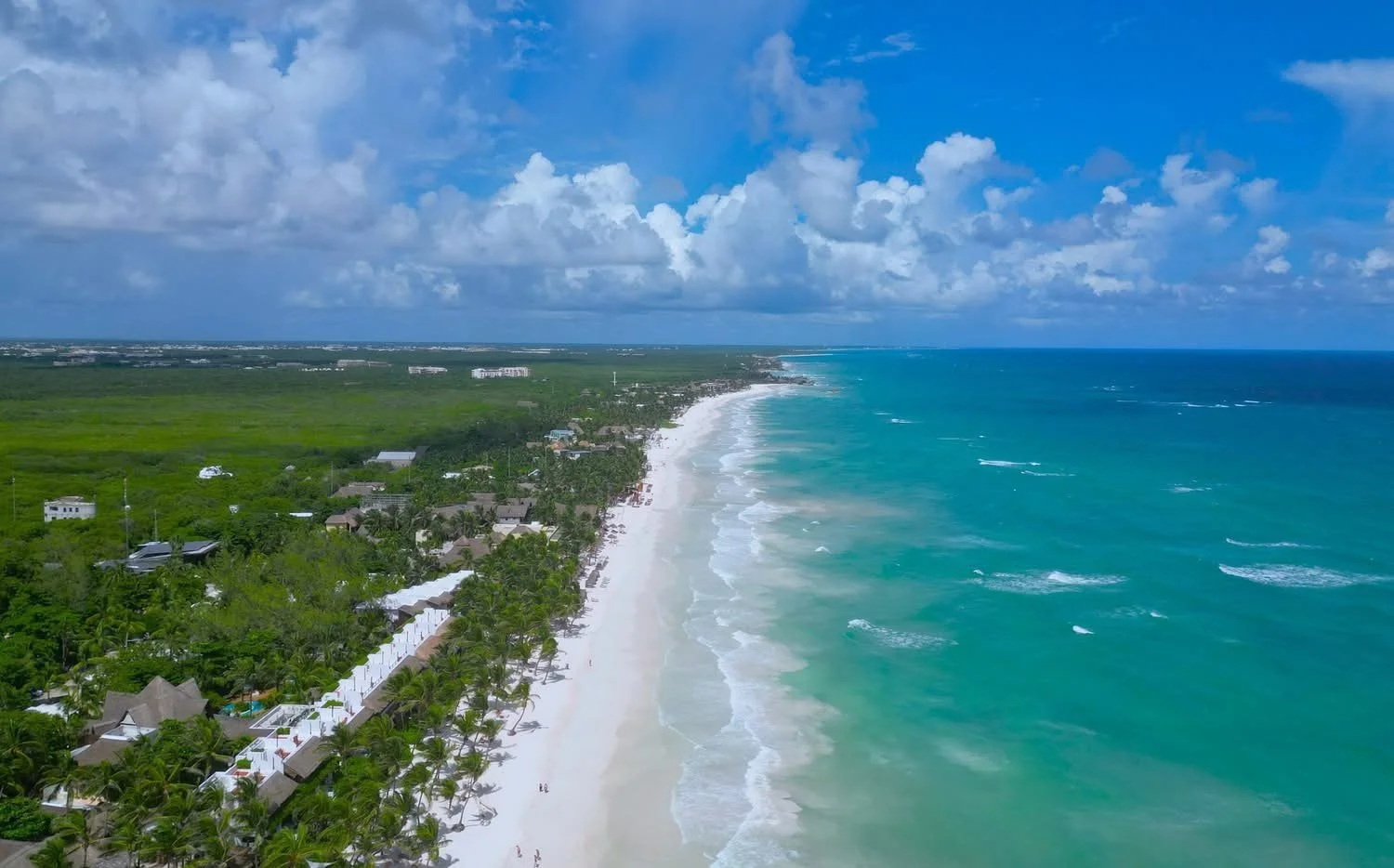
Living in Tulum offers a unique experience that blends eco-conscious design, a relaxed jungle vibe, and close proximity to some of Mexico’s most stunning beaches. While many people picture Tulum as a beachfront town, the reality is quite different. Most of the beachfront is actually taken up by the hotel zone, which features boutique hotels, beach clubs, and restaurants—but limited residential space.
In truth, Tulum is a jungle town at heart, with the majority of residential developments tucked into lush greenery just a few kilometers inland. The good news? All beaches in Mexico are public by law, so you can still enjoy the ocean lifestyle, even if you're not living directly on the sand.
Whether you're a digital nomad, investor, retiree, or someone craving a slower pace of life, Tulum neighborhoods offer something for everyone—from bohemian enclaves and modern gated communities to wellness-focused pockets and rapidly evolving regions that reflect the town’s future.
In this article, we’ll explore what it’s really like to live in Tulum, break down the most popular neighborhoods, provide current property prices per square meter, and give you insight into the town’s development trajectory—so you can decide if living in Tulum is right for you.
Lifestyle in Tulum: Embracing Nature and Culture
Living in Tulum offers a lifestyle deeply connected to nature and cultural heritage. The town's commitment to eco-conscious living is evident in its architectural designs, community initiatives, and daily practices.
Community and Culture
Tulum boasts a vibrant community that values sustainability, wellness, and artistic expression. Local events, from yoga retreats to music festivals like Zamna, are commonplace, fostering a sense of belonging among residents. The culinary scene is diverse, offering everything from traditional Mexican food to international cuisines, including some Michelin star restaurants.
Amenities and Infrastructure
Tulum is still developing, and some areas lack the basic urban planning you'd find in more established towns. If you’re buying or renting in an up-and-coming area like Region 15 or Region 8, be prepared for:
Drainage issues, especially during rainy season. Streets can flood quickly in areas without proper infrastructure. Some developments now include drainage systems, but it’s not universal.
Power outages are not uncommon during storms or peak usage times. While newer projects often feature underground electrical lines, many older or budget properties rely on above-ground utilities that are more vulnerable.
Construction noise is another reality—Tulum is expanding rapidly, and ongoing development is a fact of life in most neighborhoods. If you're buying pre-construction, be ready for dust, noise, and workers nearby for the next few years.
These issues don’t mean Tulum isn’t worth it—they just mean it’s important to do your due diligence and work with developers and agents who are transparent about what’s already in place and what’s still in progress.
The good news? Tulum is learning from the growing pains of neighboring beach towns like Playa del Carmen. Many new developments now prioritize sustainable infrastructure, including:
Underground electricity and fiber-optic internet (GigNet is expanding coverage in key zones)
Improved road access, particularly in areas like Region 15 and Tulum 101
Drainage and water management systems integrated into new construction
Developments like Tulum 101, a new master-planned community near the hotel zone, are setting the standard for thoughtful growth. This area will include a high-end shopping center, curated walking paths, wellness spaces, and a blend of residential and commercial zones that still respect the jungle environment.
The Future of Tulum: Growth and Sustainability
Tulum is at a pivotal point in its development trajectory. As the town continues to attract international attention, efforts are underway to ensure that growth is managed sustainably.
Infrastructure Developments
Recognizing past challenges related to urban planning, newer developments are prioritizing proper infrastructure.Initiatives include the installation of drainage systems, underground electrical lines, and the expansion of fiber optic internet services. For instance, companies like GigNet have announced agreements to provide high-speed broadband to new projects in Tulum, enhancing connectivity for residents and businesses (source).
Preserving the Jungle Town Feel
While modernization is inevitable, there is a collective commitment to preserving Tulum's unique jungle ambiance. Developers are integrating green spaces into their projects, and architectural designs often incorporate natural materials to blend seamlessly with the environment. This approach aims to maintain Tulum's distinct identity, setting it apart from neighboring destinations like Playa del Carmen. This approach helps maintain the sense of serenity that first put Tulum on the map.
One of the most ambitious initiatives for environmental preservation is the creation of Parque Nacional del Jaguar—a federally protected national park located near the Tulum archaeological zone. The park is designed to serve as a conservation buffer, safeguarding nearly 3,000 hectares of protected jungle, cenotes, and coastal areas. It provides a natural barrier between expanding developments and the beach, while also protecting the habitat of the endangered jaguar and other local species.
Parque Nacional del Jaguar represents a larger vision for the future of Tulum neighborhoods—one that supports growth while honoring the town’s deep ecological roots. As infrastructure improves and awareness around sustainable living increases, it’s likely that this commitment to nature will continue to define the character of Tulum for decades to come.
Tulum's Development Phase: Opportunities and Challenges
Some perceive Tulum as being in its "awkward teenager phase" of development. This stage presents both opportunities and challenges. On one hand, there are ample investment opportunities, with property values projected to rise in the coming years. On the other hand, the rapid pace of development necessitates careful planning to avoid pitfalls experienced by other rapidly growing towns.
Get to Know Tulum’s Neighborhoods
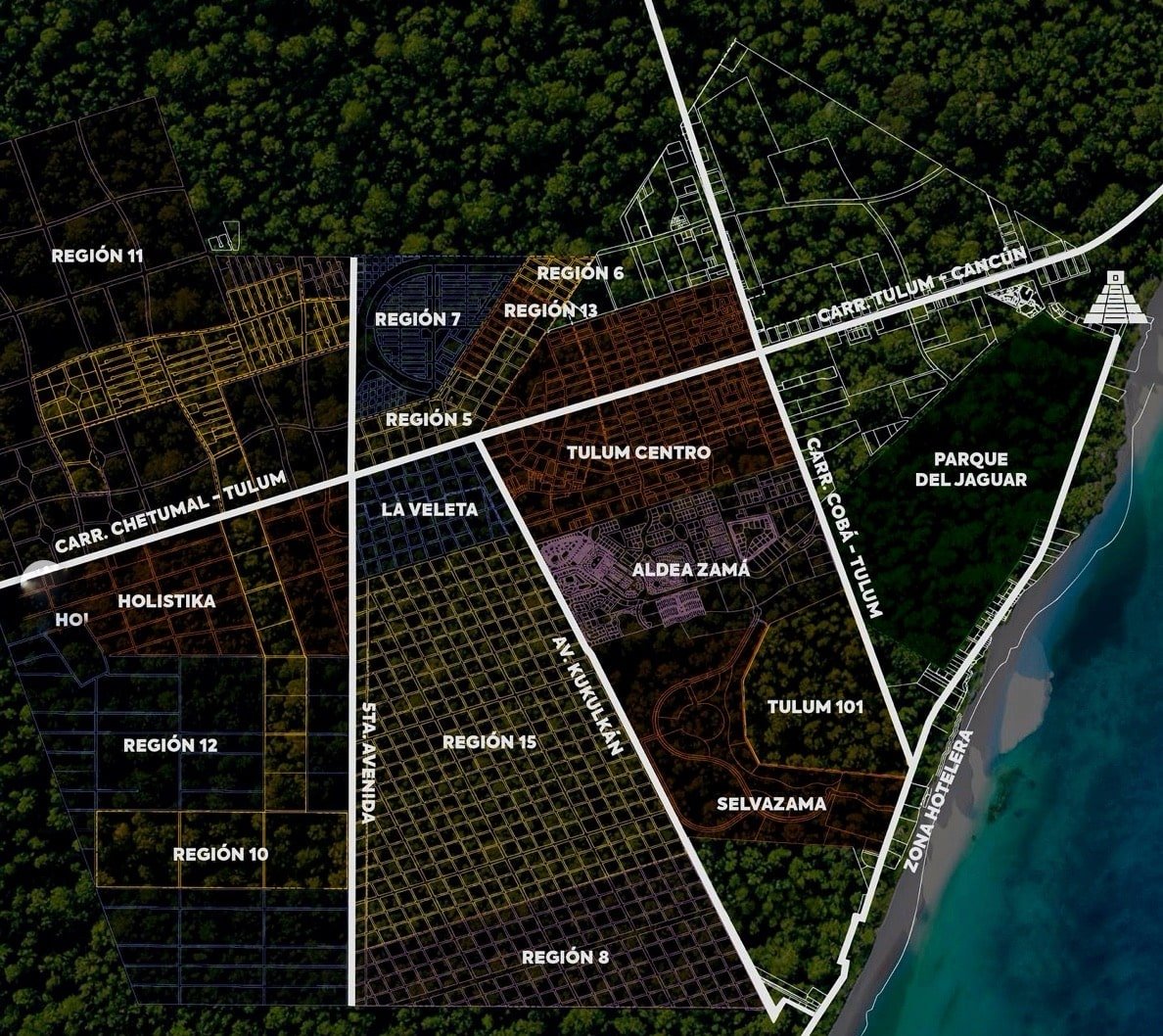
Tulum's neighborhoods each offer a unique ambiance, catering to diverse lifestyles and preferences. Below is an overview of some of the prominent areas:
Aldea Zama
Aldea Zama is one of Tulum’s most established and sought-after neighborhoods, known for its seamless blend of modern infrastructure and jungle-inspired aesthetics. As one of the first master-planned communities in Tulum, it set the standard for high-end living, featuring paved roads, underground utilities, and a thriving commercial area with boutique shops, cafes, and wellness centers. Its strategic location places residents just minutes from Tulum’s white-sand beaches and the vibrant town center. In this area, you will find gated communities, such as Losantos and La Privada.
SELVA ZAMA
Selva Zama is a visionary community within Tulum that harmonizes modern living with nature. It is one of the communities that is closest to the beaches of Tulum. “Selva” in Spanish means “Forrest”. With lush green corridors, high-end residences, and proximity to Tulum’s best beaches, Selva Zama is an ideal choice for those seeking a serene yet connected lifestyle.
TULUM 101
Tulum 101 is one of the first master-planned communities in Tulum, setting a new standard for thoughtful development in this rapidly evolving destination. Being master-planned means every detail—from infrastructure to amenities—has been carefully designed to create a seamless, sustainable, and high-quality living experience. With smart urban planning, cutting-edge amenities, and a deep respect for nature, Tulum 101 is one of the most desirable places to be in close proximity to the beach.
La Veleta
La Veleta is one of Tulum’s most popular and fastest-growing neighborhoods, known for its mix of boutique hotels, stylish condos, and boho cafes. You’ll find a vibrant yet laid-back energy here.
ZONA ARQUEOLÓGICA
Zona Arqueológica offers an unparalleled living experience immersed in Tulum’s rich history and breathtaking natural beauty. This area is home to the iconic Tulum Ruins, one of the most famous archaeological sites in Mexico, overlooking the Caribbean Sea. Properties in this region offer a rare opportunity to live near ancient Mayan history. In this area, you will find gated communities, such as El Mirador.
REGION 15
Region 15 in Tulum has experienced rapid development in recent years, attracting both investors and residents with its promise of affordable land and proximity to natural attractions. This surge has transformed the area into a burgeoning hub of modern villas and condominiums, appealing to those seeking a blend of contemporary living amidst lush jungle surroundings. Prospective residents should be prepared for the sights and sounds of construction as the neighborhood continues to evolve.
REGION 8
Region 8 is the closest undeveloped region to the beach and adjacent to the hotel zone. It’s one of the most buzzed-about areas among developers due to its prime location—but there’s a catch: much of the land is mangrove and protected, and many projects lack the permits required to build.
HOLISTIKA
Centered around the famous Holistika Hotel, this pocket of Tulum feels like a wellness sanctuary. Think yoga studios, vegan cafés, art installations, and jungle trails. It’s popular with spiritual travelers, long-term visitors, and those looking for a more conscious lifestyle.
REGION 10
Region 10 is closer to downtown (Tulum Pueblo) and appeals to locals, workers, and those seeking more affordable housing. It’s not a tourist hub, and development is more modest.
REGION 11
Region 11 sits just beyond La Veleta and shares similar characteristics: jungle surroundings, boutique projects, and an investor-driven vibe. It’s still early in its development cycle, so it’s quieter and less trafficked.
REGION 12
Region 12 is on the outskirts of Tulum and remains mostly undeveloped. It has a rural feel and is typically where large land parcels or ejido properties are found. Some developers are beginning to test the waters, but it’s still a long-term play.
Other Places Near Tulum to Consider
While living in Tulum has its own magic, there are also incredible communities just outside the town that offer a different pace of life, more space, and unique lifestyle benefits. If you're exploring Tulum neighborhoods or thinking of investing in the area, these nearby locations are worth your radar:
TULUM COUNTRY CLUB
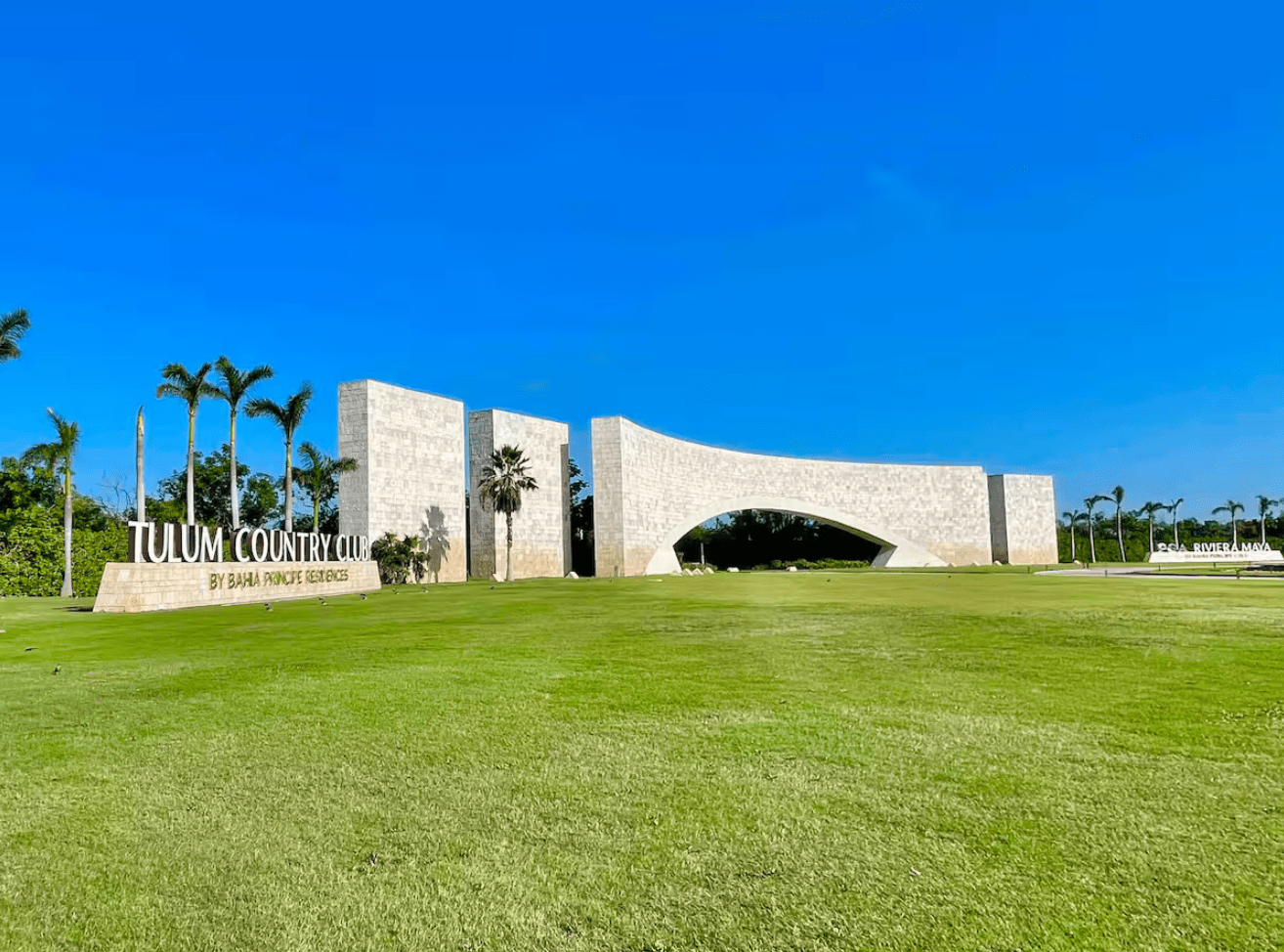
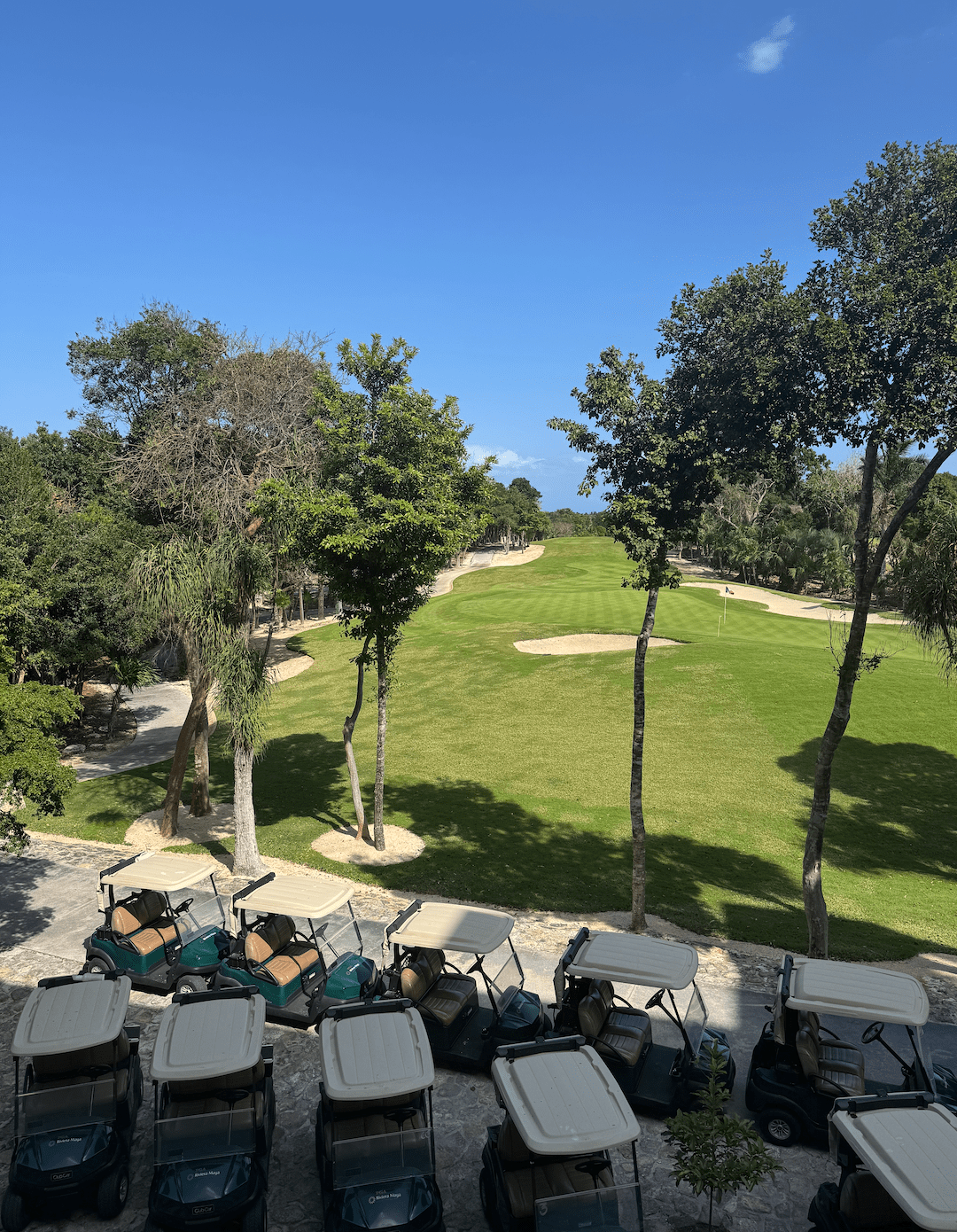
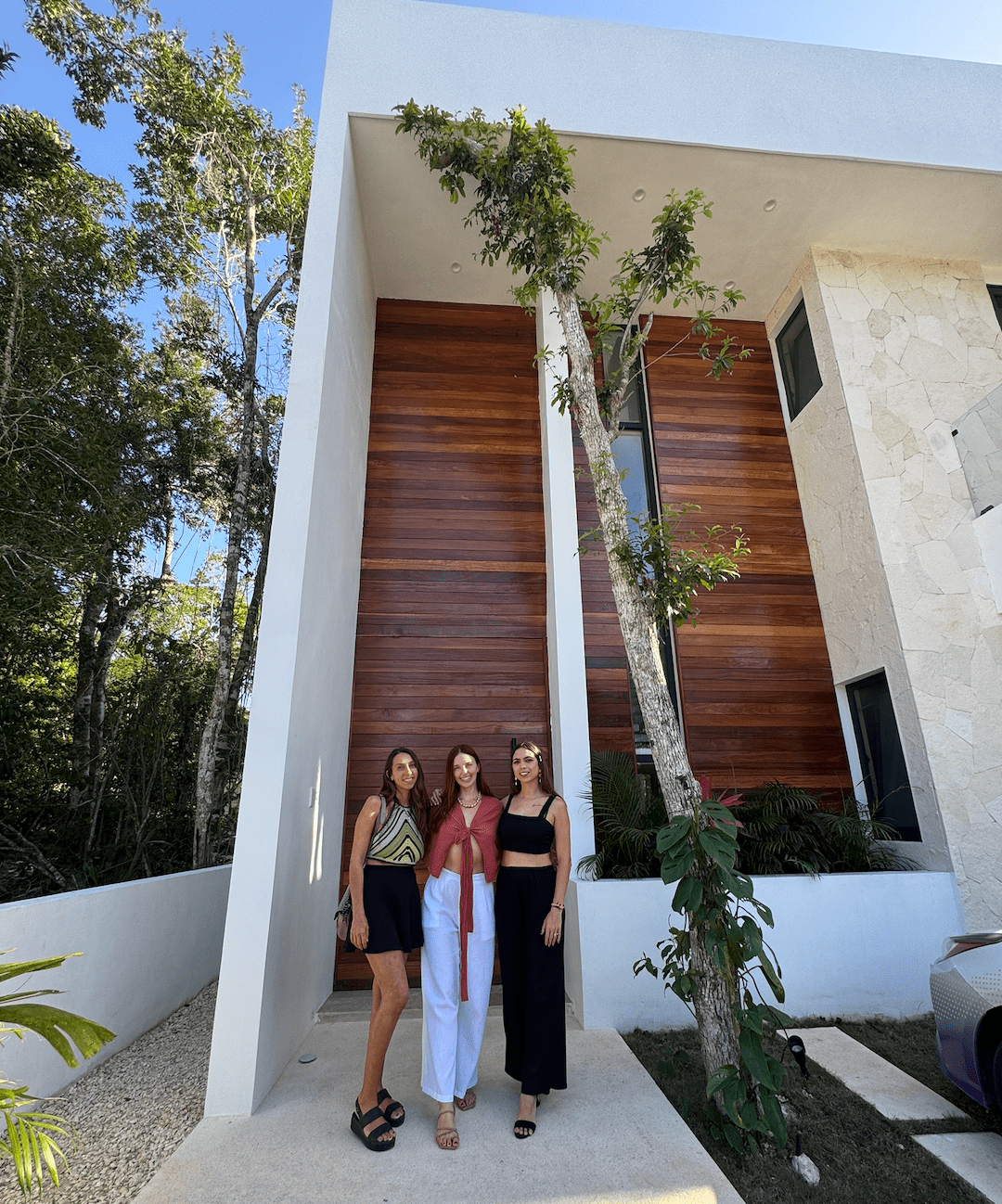
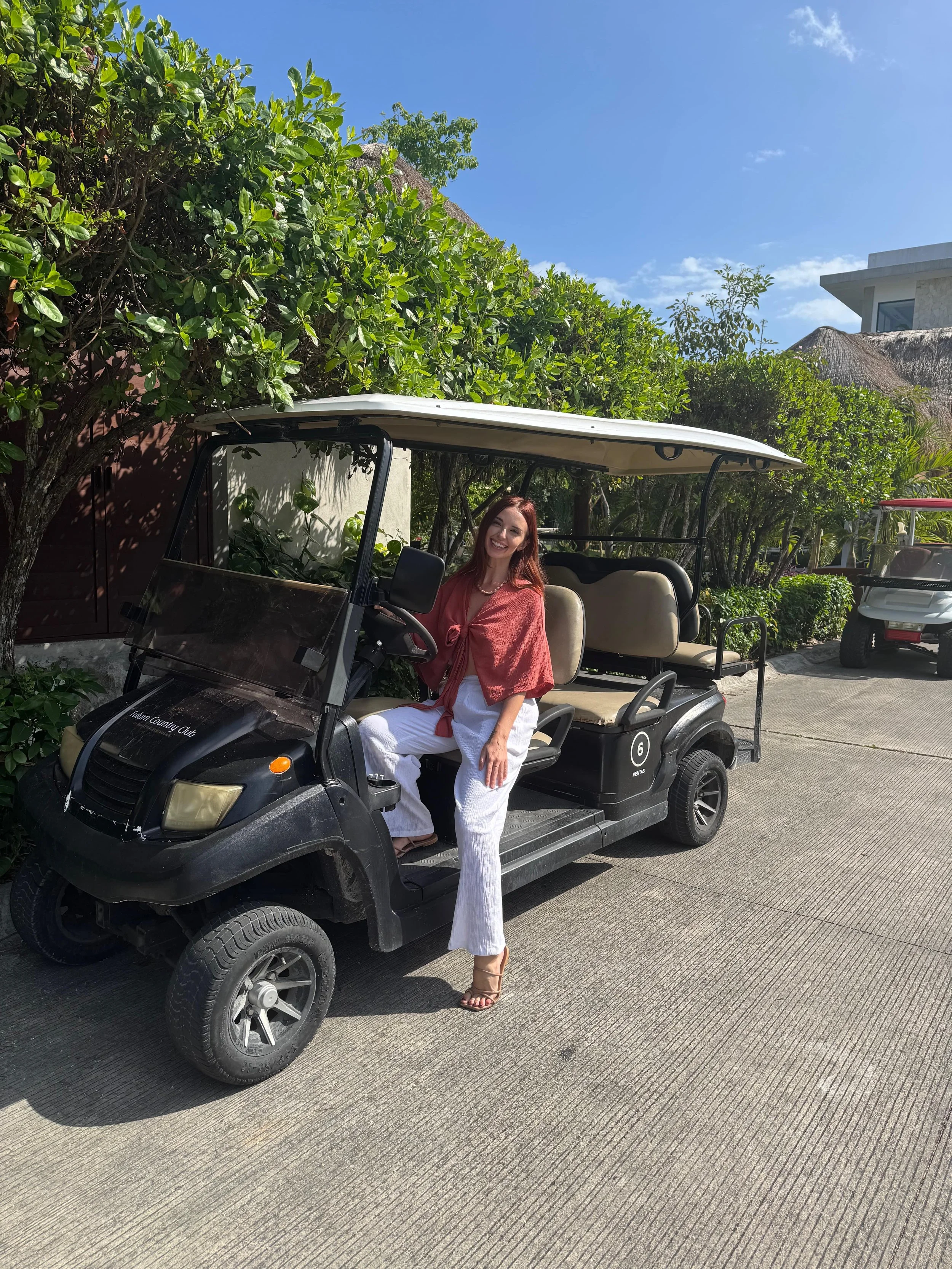
Located about 25 minutes north of Tulum, Tulum Country Club is a gated residential and resort community that blends luxury with nature. It's ideal for golfers, retirees, and families looking for more space and security. The area offers access to a professional 27-hole golf course designed by Robert Trent Jones II, as well as beach clubs, wellness centers, and upscale amenities. Homes here are often larger than those in central Tulum, and the community is well maintained with proper infrastructure, including paved roads and underground utilities.
FRANCISCO UH-MAY
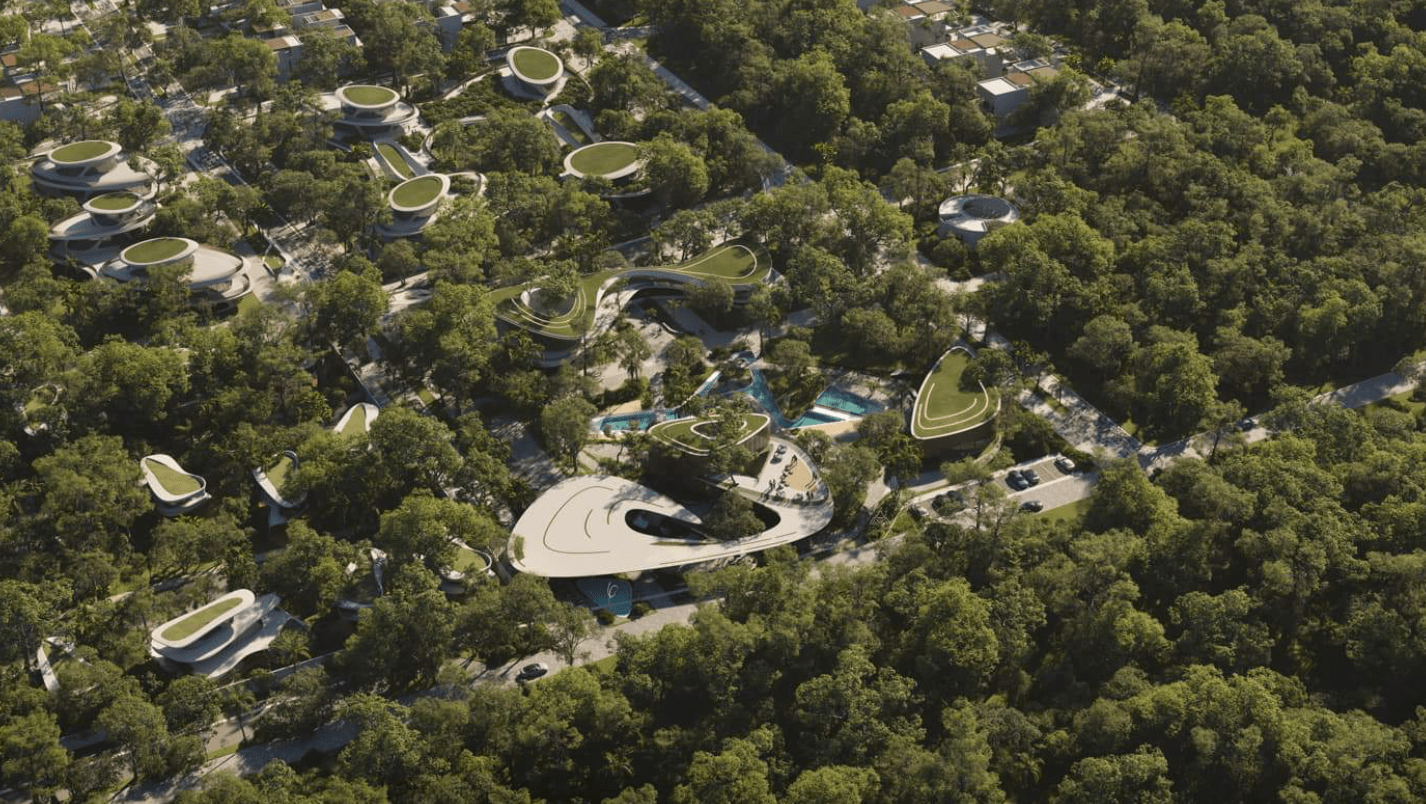
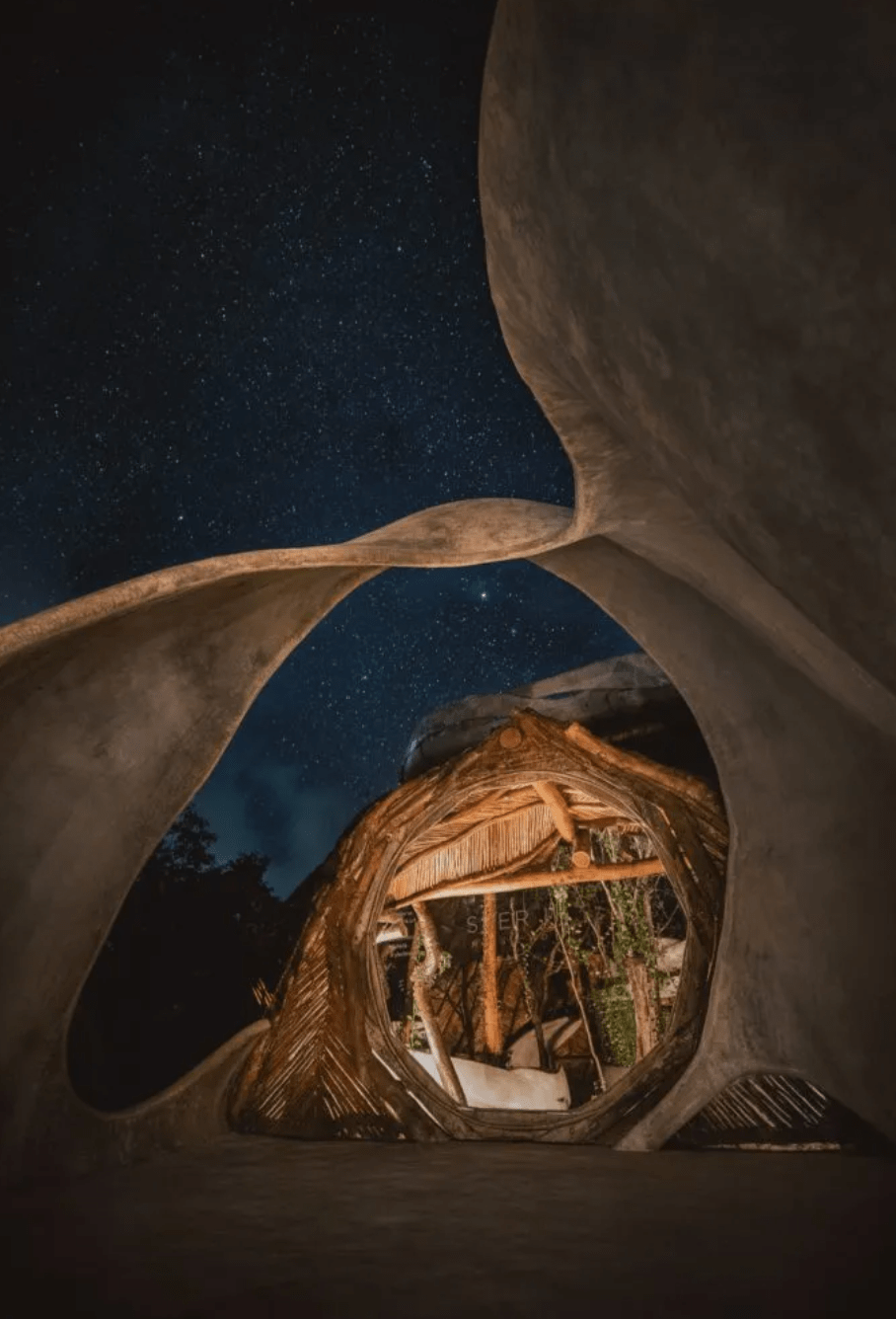
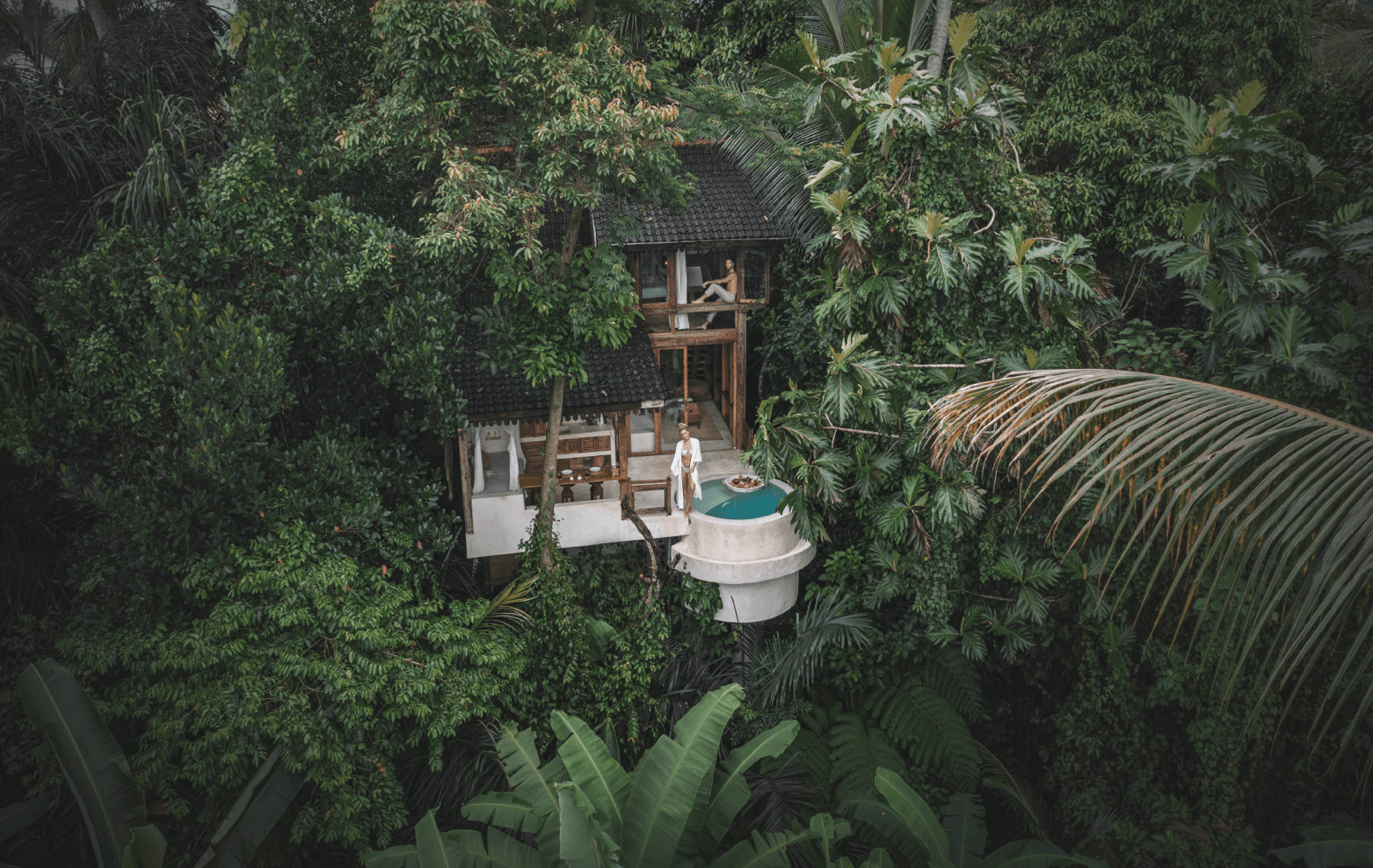
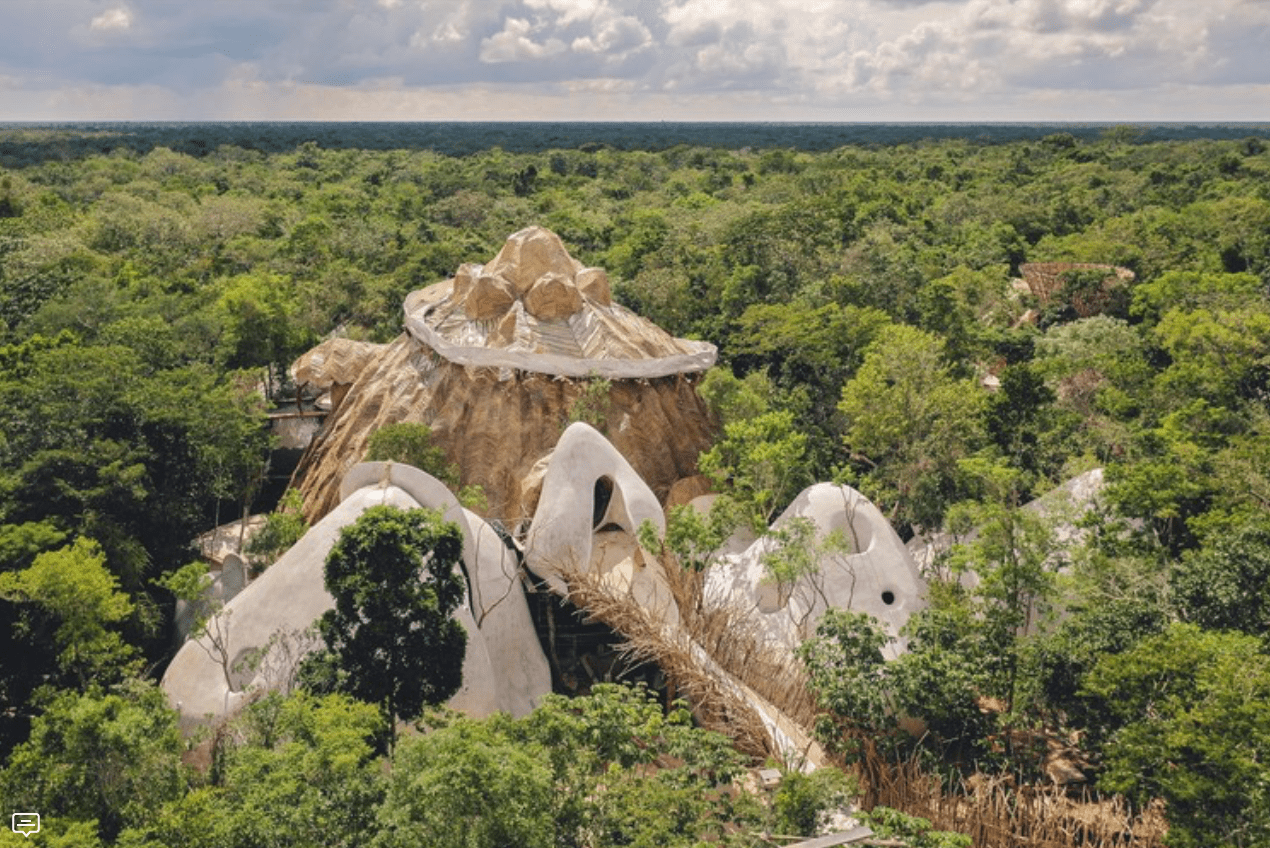
For those drawn to nature, art, and a truly off-the-beaten-path experience, Francisco Uh-May is a small village about 25 minutes inland from Tulum. It’s home to the iconic IK LAB and Azulik Uh May, an arts and cultural center immersed in the jungle. This area appeals to artists, creators, and those seeking a quiet, off-grid lifestyle surrounded by raw nature. Development is still minimal, but growing interest in sustainable and cultural tourism is putting Uh-May on the map.
TANKAH BAY
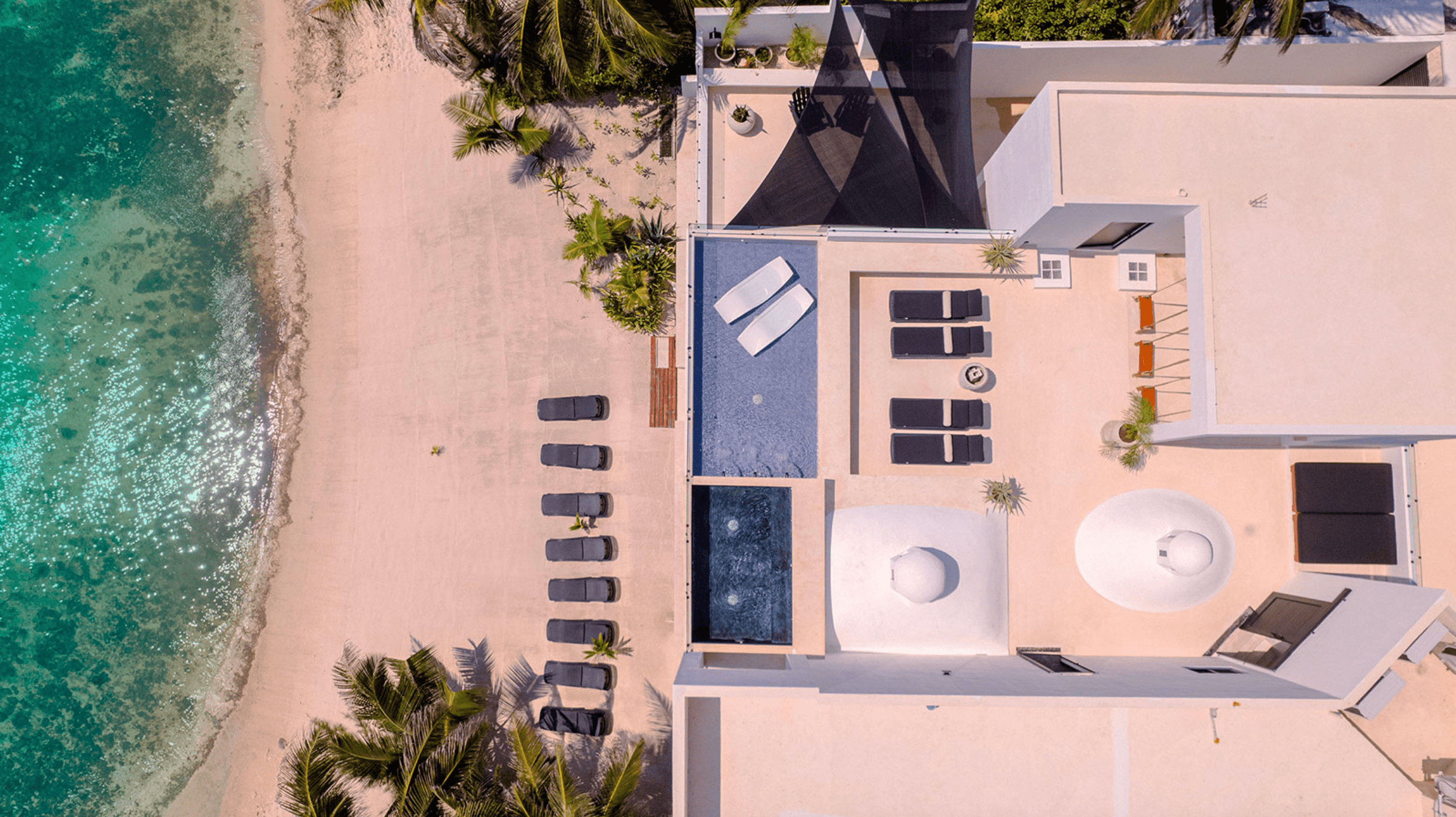
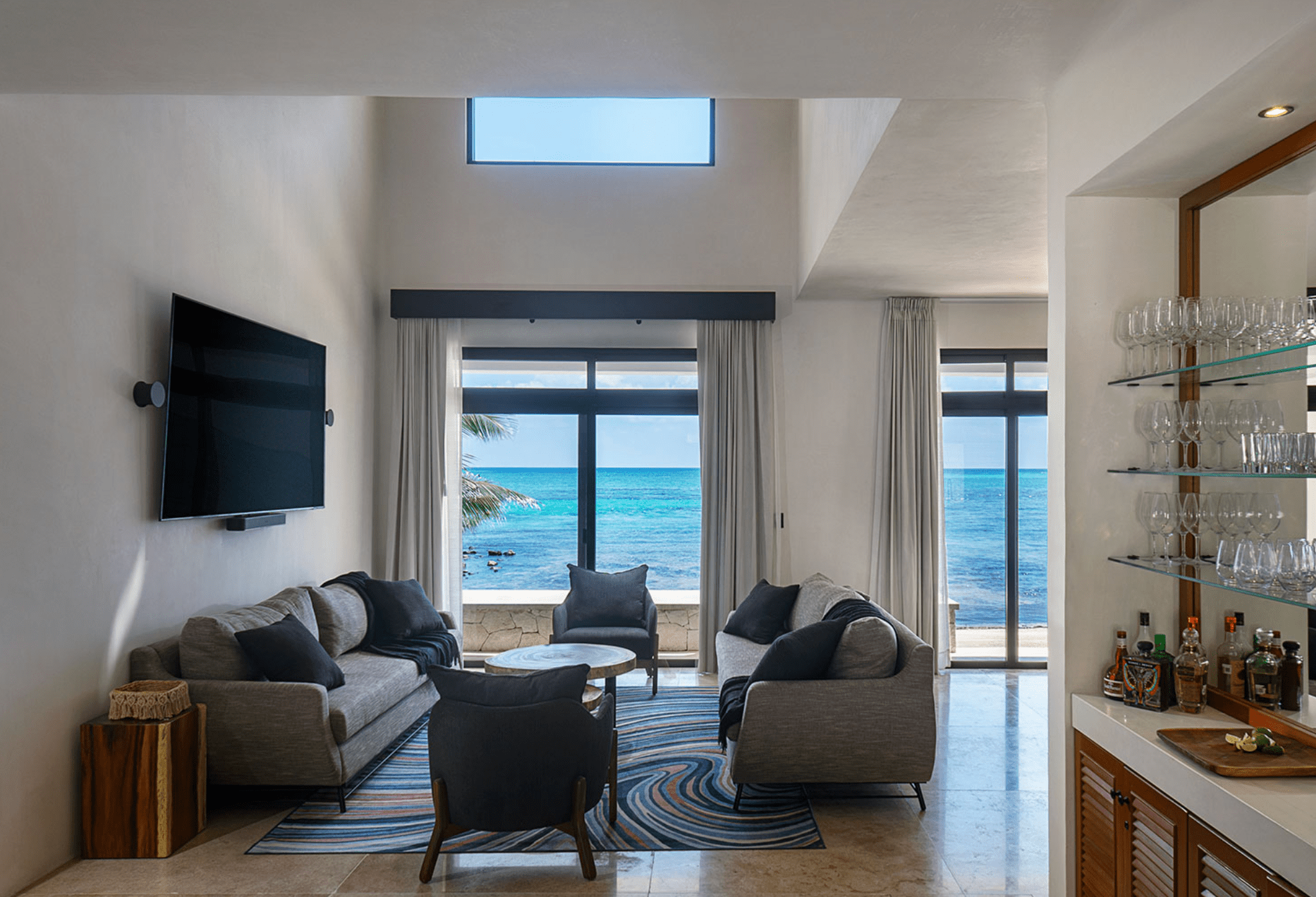
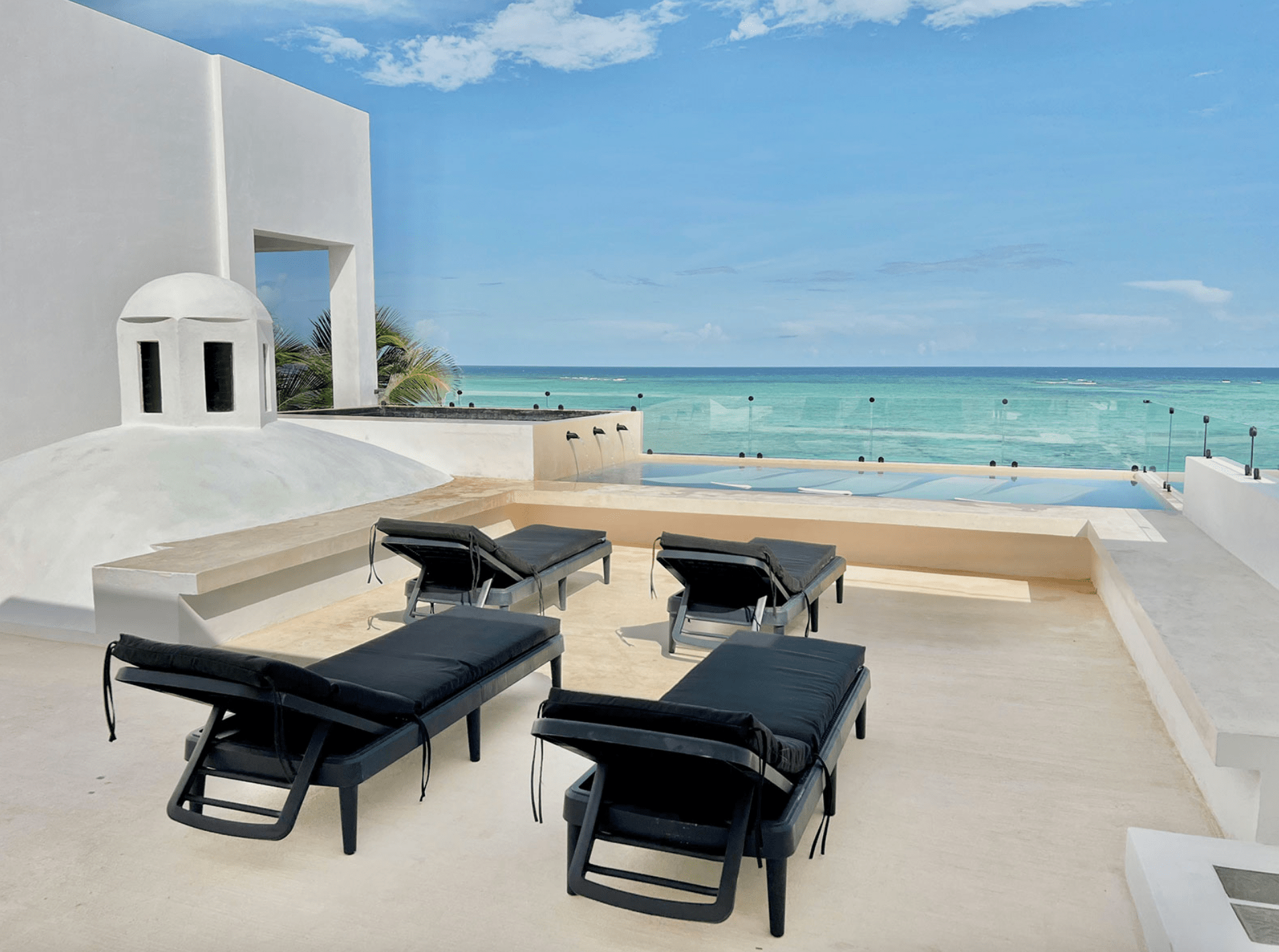
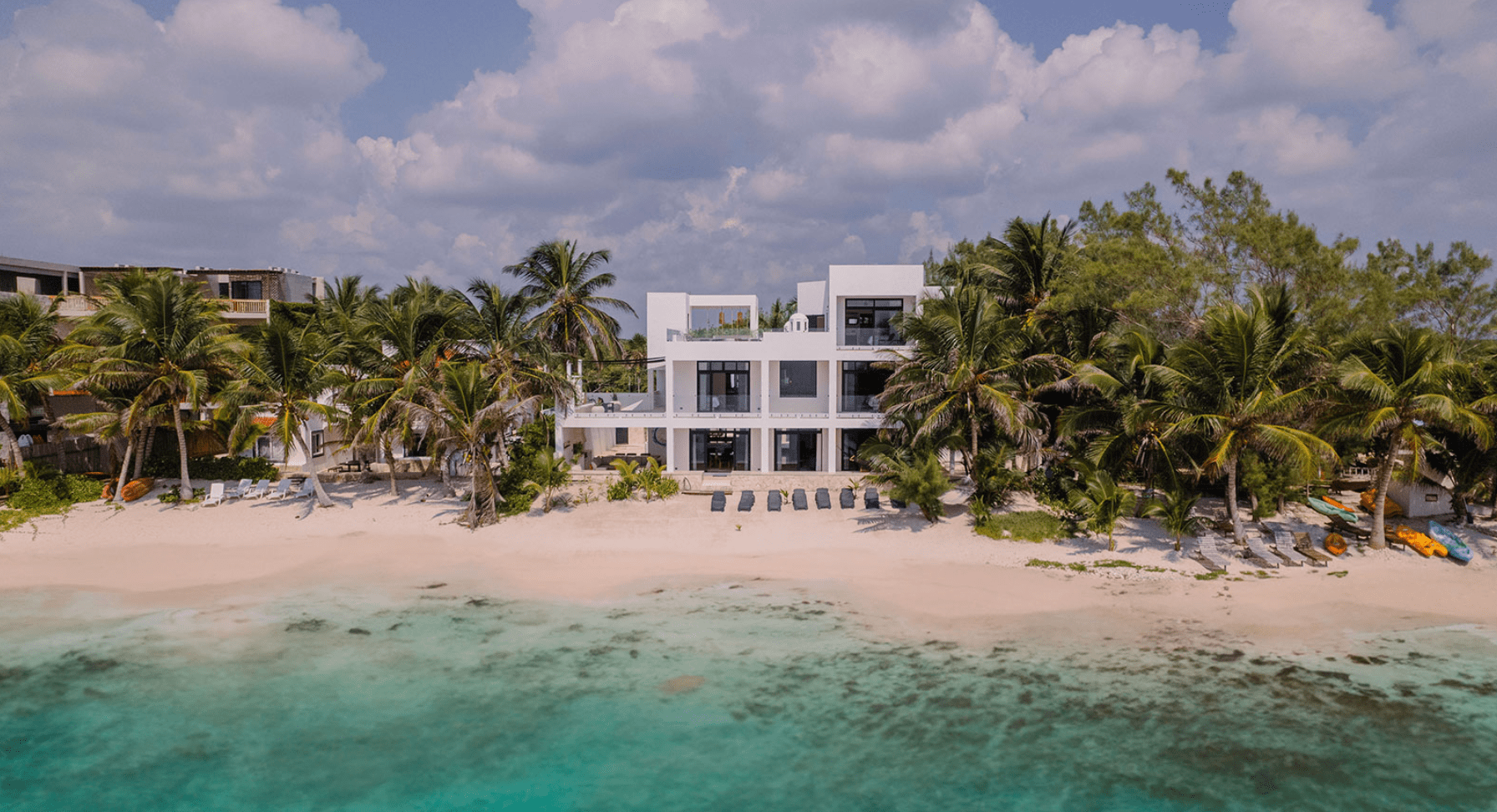
If your dream is to live steps from the ocean, Tankah Bay offers one of the most exclusive waterfront residential areas near Tulum. Located just 10–15 minutes north of town, it’s a quiet, protected bay known for its turquoise water, snorkeling spots, and beachfront villas. Tankah Bay attracts high-end buyers and vacation homeowners looking for privacy and natural beauty. Here, you’ll find luxury homes, boutique eco-hotels, and proximity to cenotes like Casa Cenote.
SOLIMAN BAY
Just a little further north, Soliman Bay is a secluded paradise that feels worlds away from the bustle of downtown Tulum. It’s one of the most pristine and peaceful beachfront communities in the Riviera Maya, known for its luxury villas and crystal-clear waters. Soliman Bay is perfect for those seeking total tranquility, and while services and infrastructure are limited, the exclusivity and views are unmatched. This area is highly desirable for high-end vacation rentals and second homes.
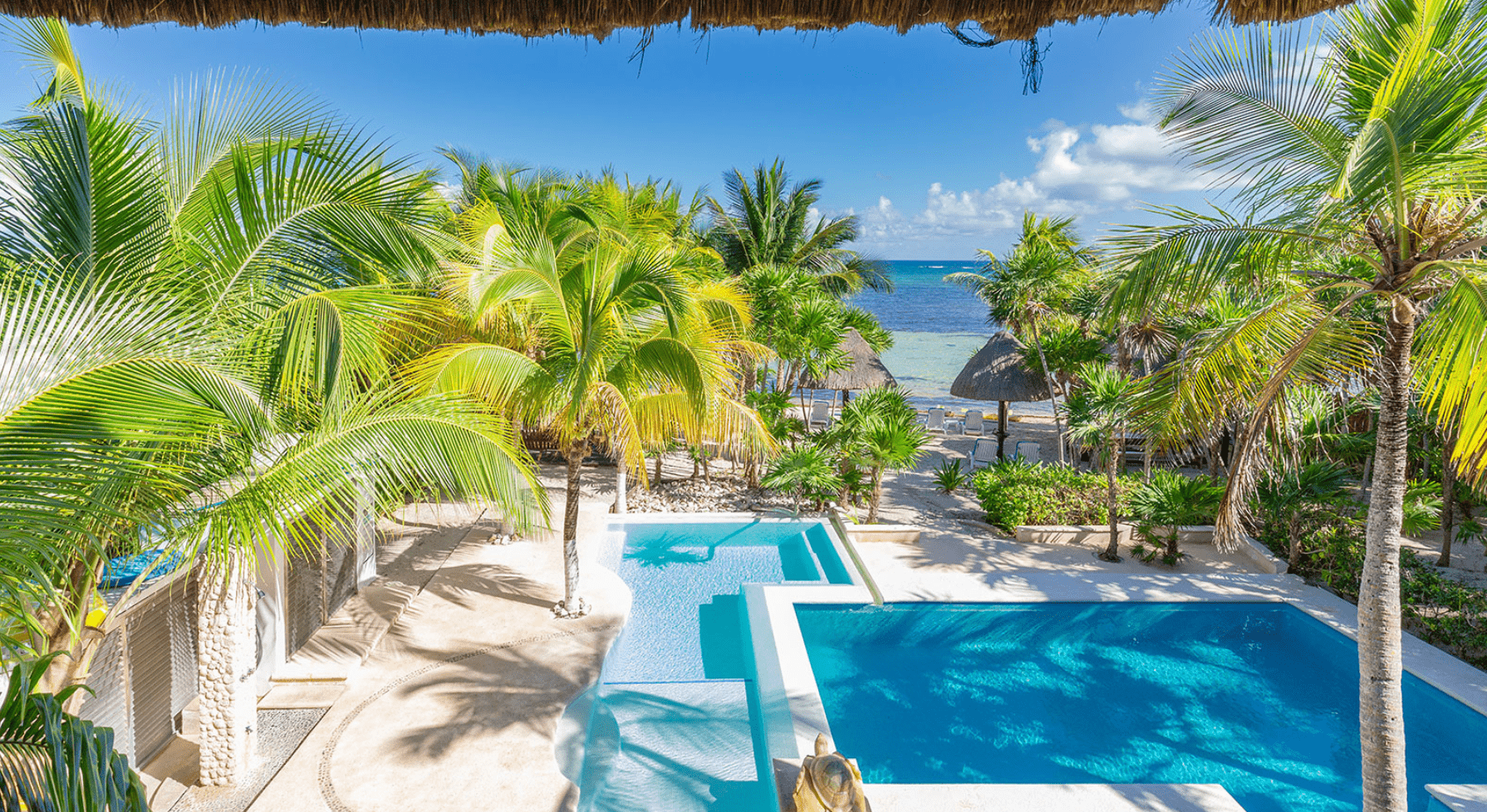
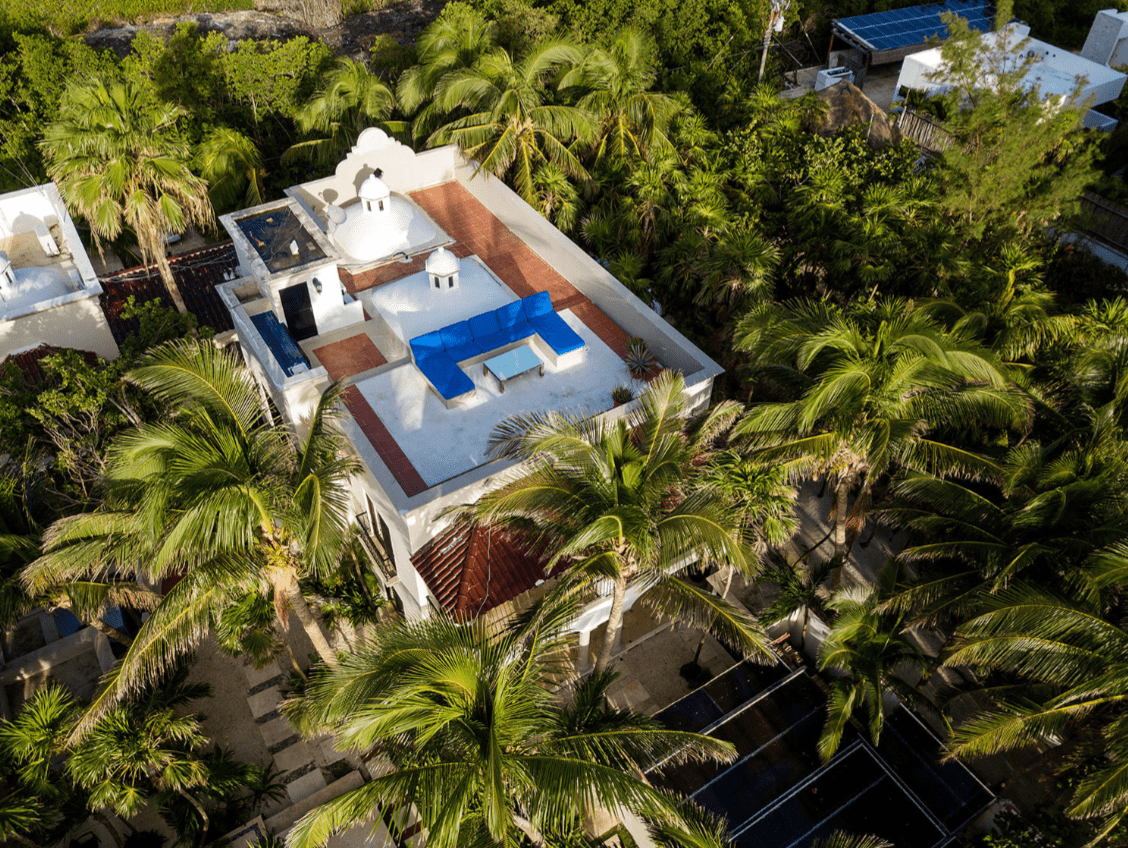
Real Estate in Tulum: Prices and Vacation Rental Potential
The real estate market in Tulum has exploded over the past decade, driven by a mix of global interest in wellness-focused living, strong vacation rental demand, and a desire for more natural and intentional lifestyles. If you’re considering living in Tulum or investing in a second home, here’s what to expect in terms of pricing, property types, and short-term rental opportunities.
Property Prices in Tulum
Real estate prices in Tulum vary widely depending on location, amenities, and the level of development in the area. Here's a general idea of what to expect:
Condos in prime neighborhoods (like Aldea Zama or Tulum 101) generally range from $2,000 to $3,500 USD per square meter, with pre-sale units sometimes available for less, and luxury finishes pushing prices higher.
Studios and one-bedrooms in up-and-coming areas like La Veleta or Region 15 can start around $100,000 to $180,000 USD.
Two-bedroom condos or townhomes can range from $220,000 to $400,000+ USD, depending on amenities such as private pools, rooftop decks, or jungle views.
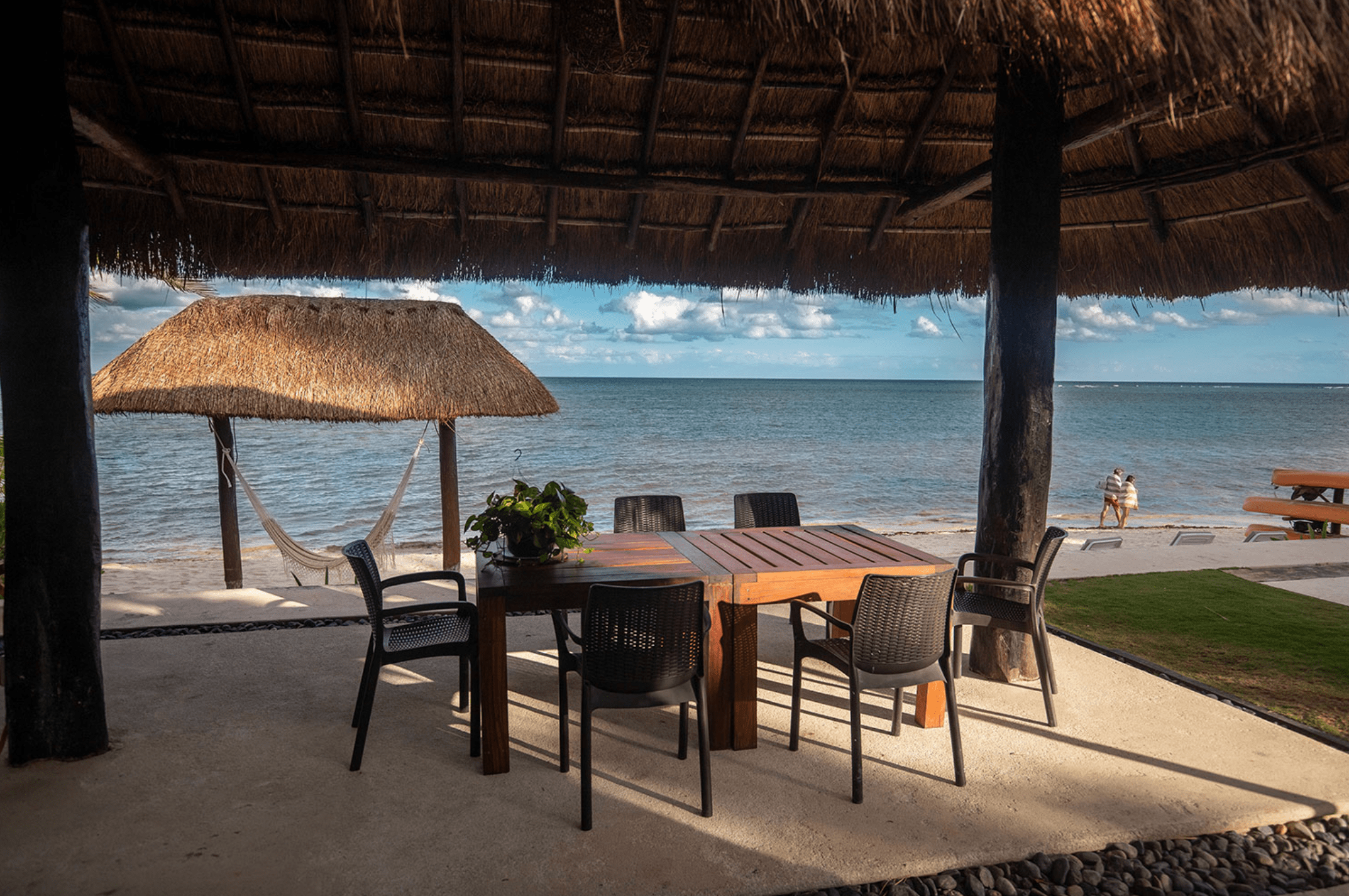
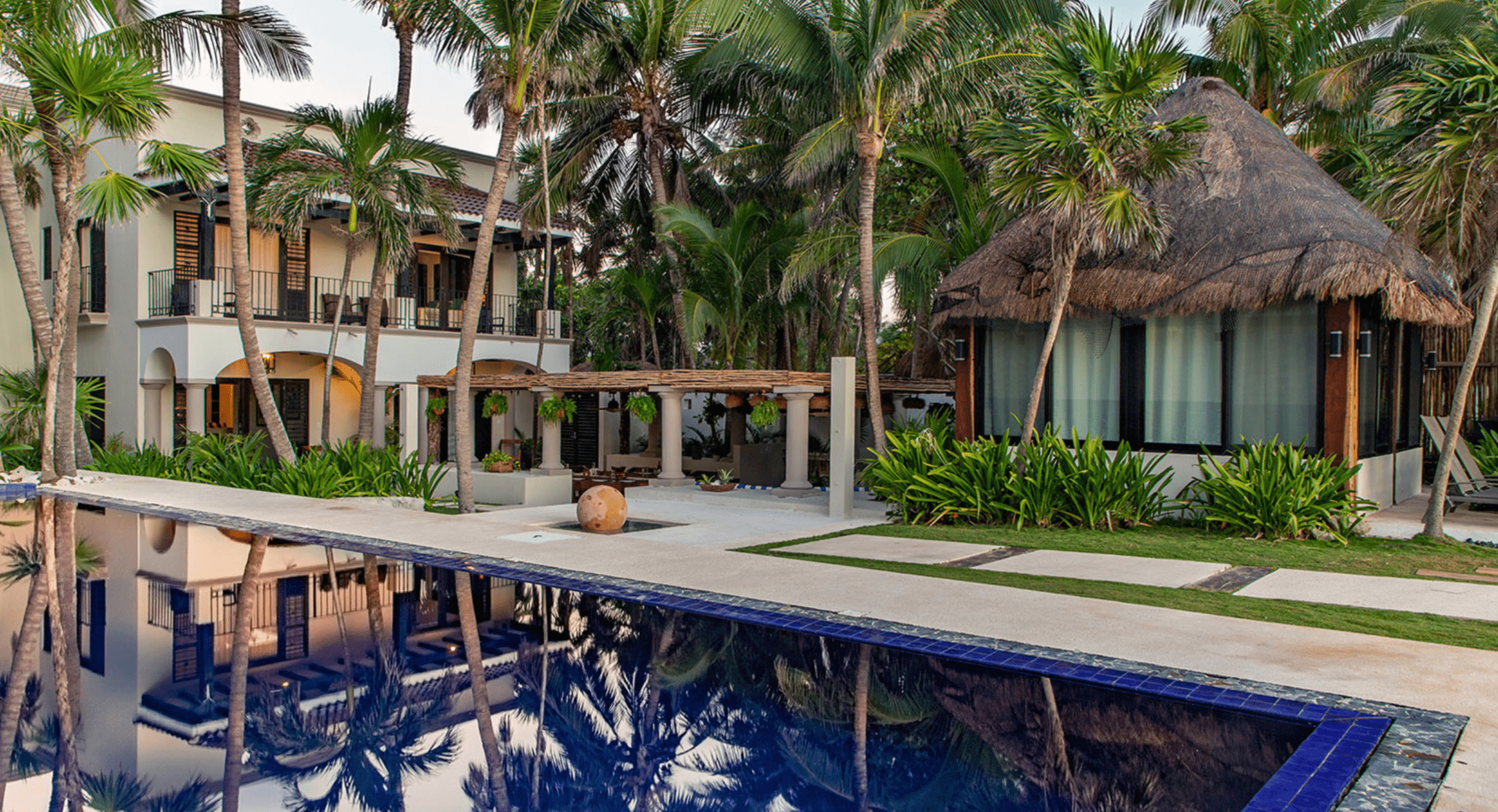
Luxury villas and beachfront homes in areas like Tankah Bay or Soliman Bay often exceed $1 million USD and cater to high-end buyers or boutique hotel developers.
In newer areas, prices are still relatively accessible compared to more established beach towns like Playa del Carmen or Tulum’s own hotel zone. That said, price per square meter is steadily rising—especially in neighborhoods that are gaining infrastructure and commercial activity.
Vacation Rental Income Potential
Tulum remains one of the strongest short-term rental markets in Mexico. Tourists flock year-round for yoga retreats, digital nomad escapes, and beach vacations. Airbnb and Vrbo are the most popular platforms, and many developments are designed specifically with vacation rentals in mind.
According to recent market data:
Occupancy rates in high-demand seasons can reach 75–85% for well-located, well-designed properties.
Average nightly rates vary:
Studios: $80–120 USD/night
One-bedrooms: $120–180 USD/night
Two-bedrooms and villas: $180–350+ USD/night
Properties with unique architecture, rooftop plunge pools, or jungle views tend to command premium pricing and perform well in rental rankings.
It’s common for owners to work with property management companies that handle bookings, cleaning, guest communications, and maintenance—especially helpful if you’re not living in Tulum full-time.
Things to Keep in Mind as an Investor
While the rental market is booming, it’s not completely without risk. Oversupply in some neighborhoods, limited regulation, and seasonal shifts in demand mean not all properties perform equally. It’s important to consider:
Proximity to town, beach, or key attractions
Level of privacy and noise (especially in areas with ongoing construction)
HOA rules around short-term rentals
The reputation and track record of the developer and property manager
That said, many investors find Tulum to be a highly rewarding market—both for rental income and long-term appreciation. The town’s continued evolution, increasing international visibility, and growing digital nomad and expat population all point toward continued demand in the years to come.
Know You Know Tulum Like a Local
Living in Tulum offers a harmonious blend of natural beauty, cultural richness, and modern conveniences. Each neighborhood presents its own unique charm and investment potential, catering to a diverse range of preferences and budgets. As Tulum continues to evolve, residents and investors alike have the opportunity to be part of a community that values sustainability, wellness, and a deep connection to its jungle roots.