The Essential Guide to Moving to Mexico from USA (2026)

If you’re thinking about moving to Mexico from the United States, you’re not alone.
Over the past few years, we’ve worked with a growing number of Americans who feel called to something different: more sunshine, more freedom, more connection, and often a better quality of life for their budget. Some are retiring earlier than they thought possible. Others are remote professionals redesigning their lifestyle. And many are simply ready for a slower, more intentional way of living.
As an American (and Canadian) advisor who chose to build my life in Mexico and as the founder of Paradise Listings, I understand both sides of the decision. The excitement. The questions. The hesitation. The “Is this really possible for me?”
The truth is: moving to Mexico is absolutely possible. But doing it well requires clarity, proper planning, and trusted guidance.
This 2026 guide walks you through:
Visa and residency pathways
Cost of living expectations
Where to live depending on your goals
What to prepare before you go
How to transition smoothly once you arrive
At Paradise Listings, we don’t just help you buy property in the Riviera Maya. We help you understand the entire relocation process. From legal structure and due diligence to lifestyle alignment and long-term investment strategy, our role is to make sure your move is secure, intelligent, and aligned with the life you’re building.
Let’s start with the foundation: understanding your visa and residency options.
Understanding Visa and Residency Options
One of the first questions Americans ask us is:
“Can I legally live in Mexico full-time?”
The short answer is yes, but you need to choose the right immigration pathway based on your income, assets, and long-term plans.
Mexico offers clear residency options, and the process is far more straightforward than many people expect when you approach it strategically.
Tourist Stay (FMM)
U.S. citizens can enter Mexico visa-free as tourists for up to 180 days. This works well if you’re exploring areas, researching neighborhoods, or spending part of the year here.
However, if you plan to live in Mexico full-time, open local bank accounts, register utilities, or eventually purchase property as a resident, you’ll want a more permanent status.
That’s where temporary and permanent residency come in.
Temporary Residency (Residente Temporal)
This is the most common pathway for Americans relocating to Mexico.
Temporary residency is typically granted for one year and can be renewed for up to four years. It’s ideal if:
You’re relocating but want flexibility.
You’re working remotely for a U.S.-based company.
You’re planning to invest in property.
You want to “test” living in Mexico before committing permanently.
Financial qualification is usually based on either:
A minimum monthly income requirement, or
A minimum savings/investment balance over the past 12 months.
Income thresholds adjust annually and vary slightly by Mexican consulate, which is why we always recommend confirming requirements directly with the specific Mexican consulate where you’ll apply.
Permanent Residency (Residente Permanente)
Permanent residency is ideal for retirees or those who meet higher financial thresholds.
It does not expire and does not require renewals. Many retirees choose this option from the start because it provides long-term stability.
Qualification is typically based on higher income or asset requirements than temporary residency.
Important: You Apply From the U.S.
One key detail many people don’t realize:
You begin the residency process at a Mexican consulate in the United States, not inside Mexico.
After approval, you finalize the process within Mexico.
We always advise our clients to start their residency planning early, especially if they are coordinating a home purchase timeline.
How Residency Connects to Buying Property
Here’s where our role at Paradise Listings becomes important.
You do not need residency to buy property in Mexico. Americans can purchase real estate in coastal areas through a bank trust called a fideicomiso, which gives you full beneficiary rights similar to ownership in the U.S.
However, residency can simplify banking, utilities, long-term living logistics, and tax planning.
Because we work closely with legal professionals who specialize in real estate and cross-border structuring, we guide our clients through how immigration status, tax strategy, and property ownership intersect so nothing in the process is overlooked.
Relocation is not just about visas. It’s about structuring your move intelligently.
One of the biggest reasons Americans consider moving to Mexico is financial freedom.
For many of our clients, it’s not about spending less — it’s about getting more for what they already spend. More space. More lifestyle. More quality of life.
But cost of living in Mexico varies significantly depending on where you choose to live and how you want to live.
Housing Costs
Housing will be your largest expense, whether you rent or buy.
In areas like Playa del Carmen, Puerto Morelos, Cancun, or Tulum — where many Americans relocate — prices reflect demand, infrastructure, and proximity to the beach.
As of 2026:
A modern 2-bedroom condo near the beach in Playa del Carmen typically ranges from $300,000–$350,000 USD.
Luxury beachfront properties in Cancun can range from $500,000 USD to several million.
Gated community homes may range between $250,000–$600,000+ depending on size and amenities.
Compared to many U.S. coastal cities, buyers often find significantly more value per square foot.
At Paradise Listings, we focus heavily on helping you evaluate not just price, but resale value, rental demand, HOA structure, developer reputation, and long-term growth potential. A lower price doesn’t always mean better value.
Daily Living Expenses
Outside of housing, Mexico can offer meaningful savings depending on your lifestyle:
Groceries: Often 20–40% lower than comparable U.S. urban areas.
Dining out: High-quality meals can cost a fraction of major U.S. cities.
Utilities: Generally affordable, though electricity can increase during summer months if you run AC frequently.
Healthcare: Private healthcare is one of the biggest financial advantages. Many Americans find they can access excellent private doctors and specialists at significantly lower costs than in the U.S.
That said, imported goods, luxury items, and international schools can raise your cost of living.
Mexico can be very affordable. It can also be very high-end. The key is clarity about your priorities.
Healthcare Costs
Healthcare is often a pleasant surprise for Americans.
Private medical visits can range from $30–$70 USD for a specialist consultation. Private insurance policies are also significantly more affordable than U.S. plans in many cases.
Many retirees choose Mexico specifically because of the combination of lower living expenses and accessible private healthcare.
Taxes and Financial Planning
Moving to Mexico does not eliminate your U.S. tax obligations. As a U.S. citizen, you are still required to file U.S. taxes.
However, there are treaties, foreign earned income exclusions, and structuring strategies that can reduce double taxation when handled correctly.
This is another area where we encourage clients to speak with cross-border tax professionals before making major financial decisions. At Paradise Listings, our clients receive the support of an independent legal team to plan their tax strategy.
Relocation isn’t just about lifestyle. It’s about intelligent planning.
And once you understand your budget, the next step becomes clear: choosing where to live in Mexico.
Choosing Where to Live in Mexico
This is where the dream starts to take shape.
Mexico is not one thing. It is not one lifestyle. It is not one climate. And the right place for you depends entirely on what you’re optimizing for: retirement, investment, community, walkability, beach access, schools, safety, or long-term appreciation.
At Paradise Listings, this is where we spend the most time with our clients: helping them clarify not just where they want to live, but how they want to live.
Let’s walk through some of the most popular destinations for Americans in 2026.
Playa del Carmen
Playa del Carmen continues to be one of the most balanced relocation markets in Mexico.
It offers:
Walkability and beach access
A large international community
Strong healthcare infrastructure
Reliable internet and coworking spaces
Solid short- and long-term rental demand
For retirees, Playa offers convenience and community.
For investors, it offers liquidity and consistent demand.
For remote professionals, it offers lifestyle without sacrificing infrastructure.
As Riviera Maya specialists, this is one of our core markets at Paradise Listings, and we guide buyers carefully on neighborhood selection, HOA structures, developer reputation, and long-term appreciation.
If you want beach life with strong resale potential, Playa del Carmen remains a top choice.
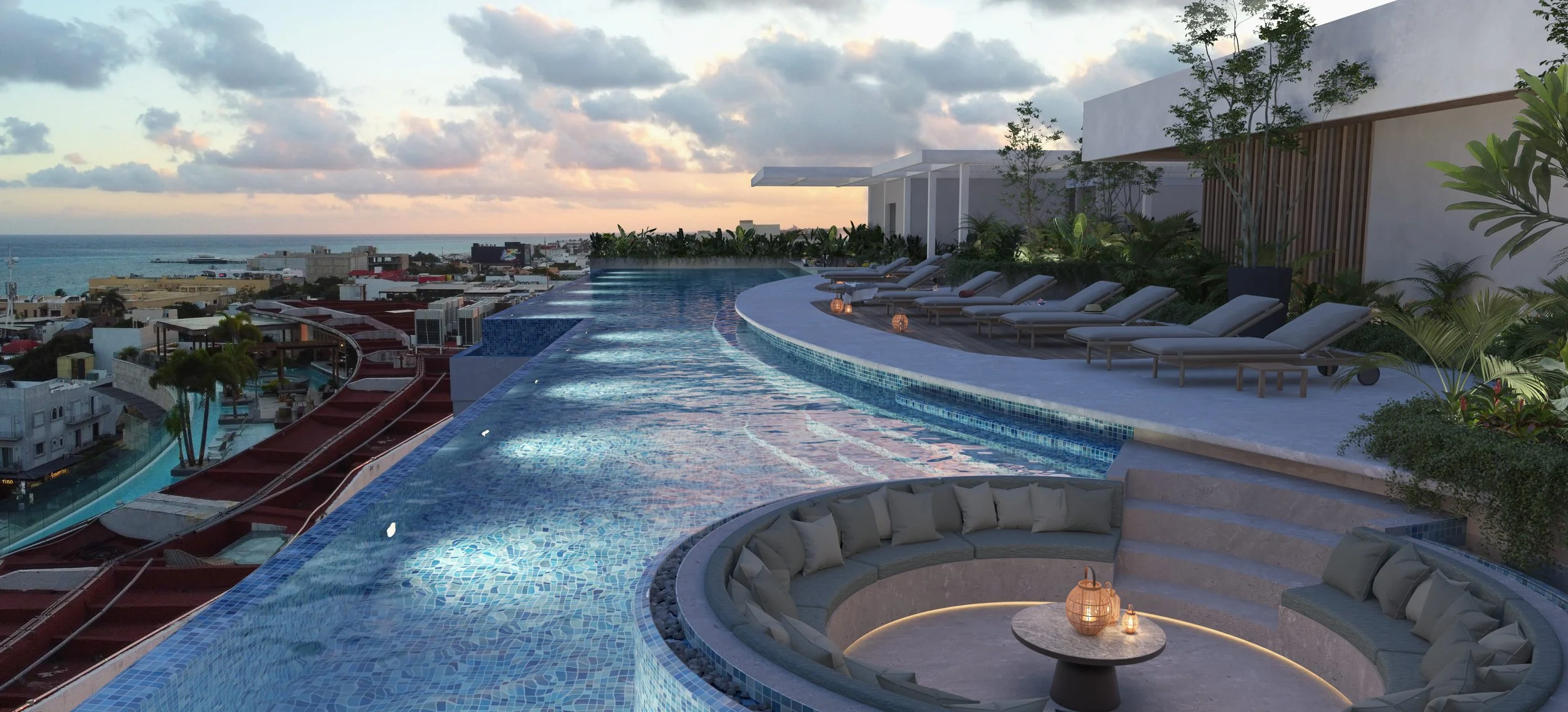
Discover Landmark Playa del Carmen. Condos with Ocean View Options Starting Under $200,000 USD. Prime Location Steps from the Beach. Learn more.
Puerto Morelos
Puerto Morelos is for those who want to exhale.
Located between Cancun and Playa del Carmen — just 20 minutes from Cancun International Airport — this coastal town has managed to preserve its small-town identity while quietly becoming one of the Riviera Maya’s most promising residential markets.
Unlike high-density tourist hubs, Puerto Morelos feels local. Authentic. Slower.
You’ll find fishermen bringing in the morning catch, neighbors greeting each other in the town square, and a rhythm of life that feels intentional rather than rushed.
It has become especially popular with Canadian and American expats, particularly snowbirds who split their year between Mexico and the U.S. or Canada. Many come for a season and end up staying much longer than planned.
One of the town’s most unique advantages is its proximity to the Ruta de los Cenotes — a stretch of lush jungle road lined with natural cenotes, eco-parks, boutique developments, and emerging residential communities. This area offers larger lots, privacy, and a more nature-immersed lifestyle, while still being just minutes from the beach.
For retirees, Puerto Morelos offers:
A quieter beachfront lifestyle
Growing healthcare access
Lower density development
Strong long-term appreciation potential
For investors, it represents something rare: a market still early in its growth curve, with increasing infrastructure and international attention, but without the saturation of larger cities.
At Paradise Listings, we guide clients here differently than in Playa or Cancun. The conversation becomes about long-term lifestyle alignment, nature integration, and strategic positioning before wider market expansion.
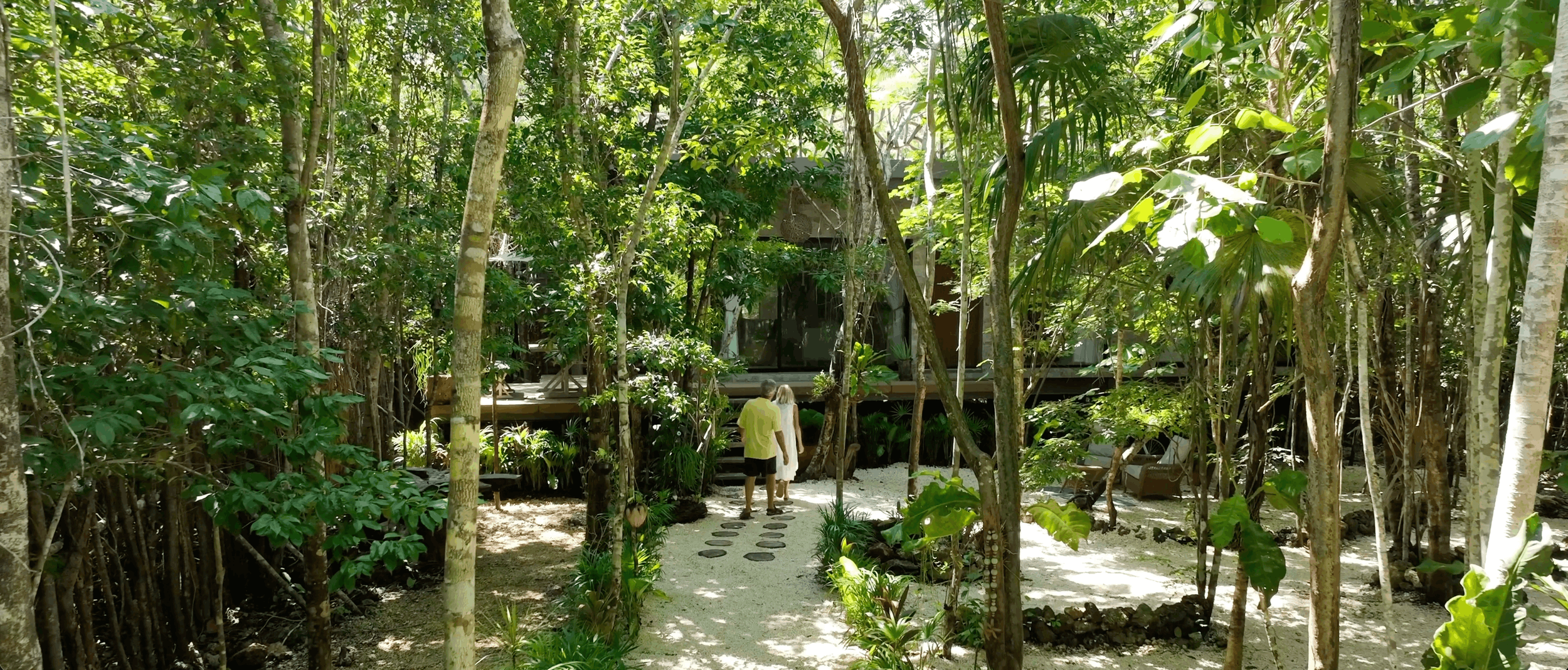
Discover Xul-Ha Eco Habitat. 2-3 Bedroom Homes on 1,000m2 Lots Starting at $190,000 USD. Learn more.
Tulum
Tulum attracts creatives, entrepreneurs, and wellness-focused buyers.
It’s design-forward, eco-conscious, and lifestyle-driven. The aesthetic is unique: jungle villas, boutique developments, rooftop pools, natural textures.
However, Tulum requires careful due diligence. Infrastructure, zoning, and developer track record matter significantly more here than in more established cities.
For investors willing to be selective and strategic, there can be strong upside, but expert guidance is essential.
At Paradise Listings, we help clients differentiate between hype and true long-term value in Tulum.
Cancun
Cancun surprises many Americans.
Beyond the Hotel Zone, Cancun is a real city with hospitals, international schools, corporate offices, and established neighborhoods.
For buyers looking for:
Luxury beachfront living
Marina communities
Strong resale liquidity
Air connectivity to the U.S.
Cancun can be an excellent choice.
It’s often ideal for investors who want high-demand beachfront inventory or buyers who prioritize direct flights and urban amenities.
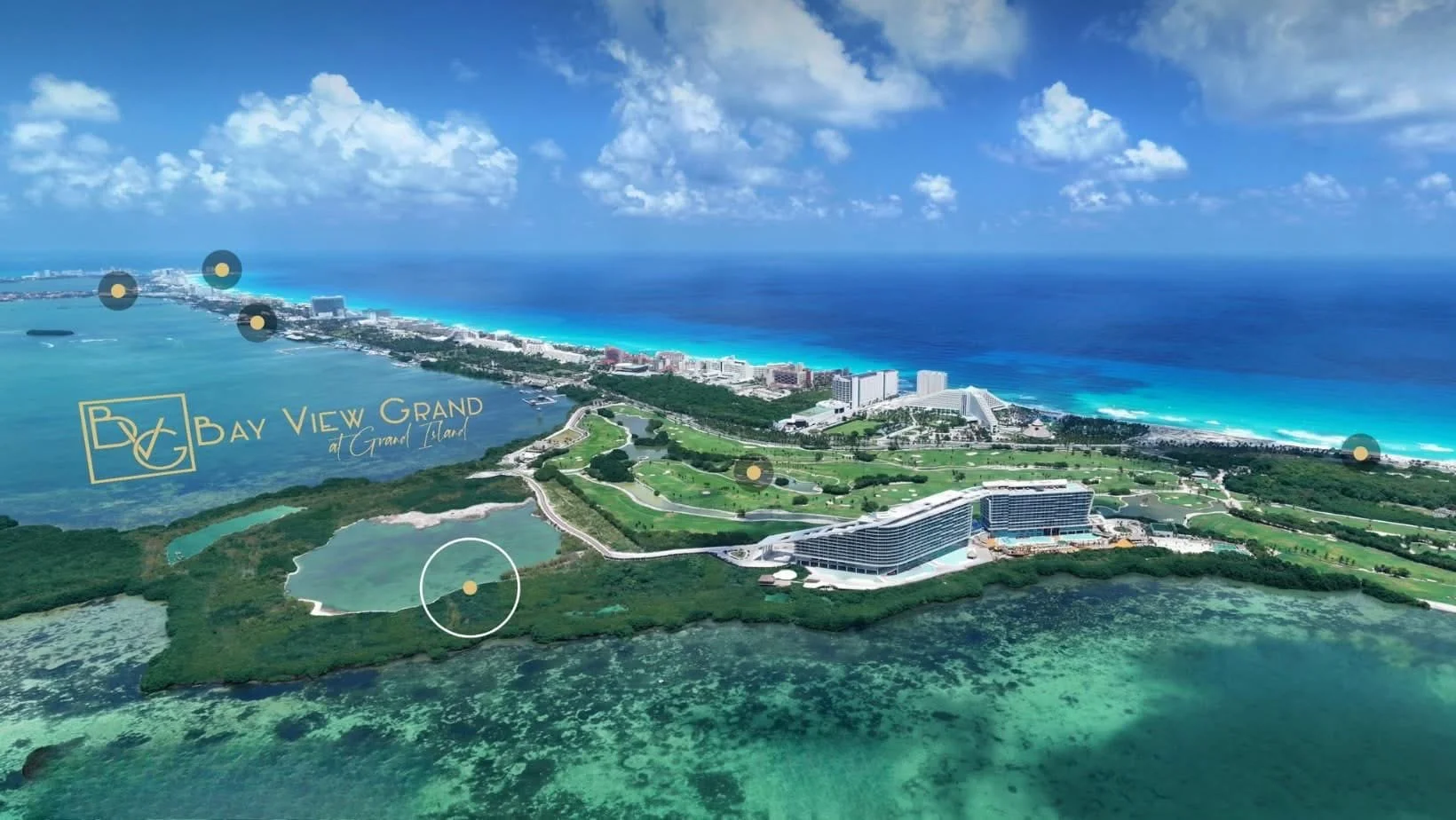
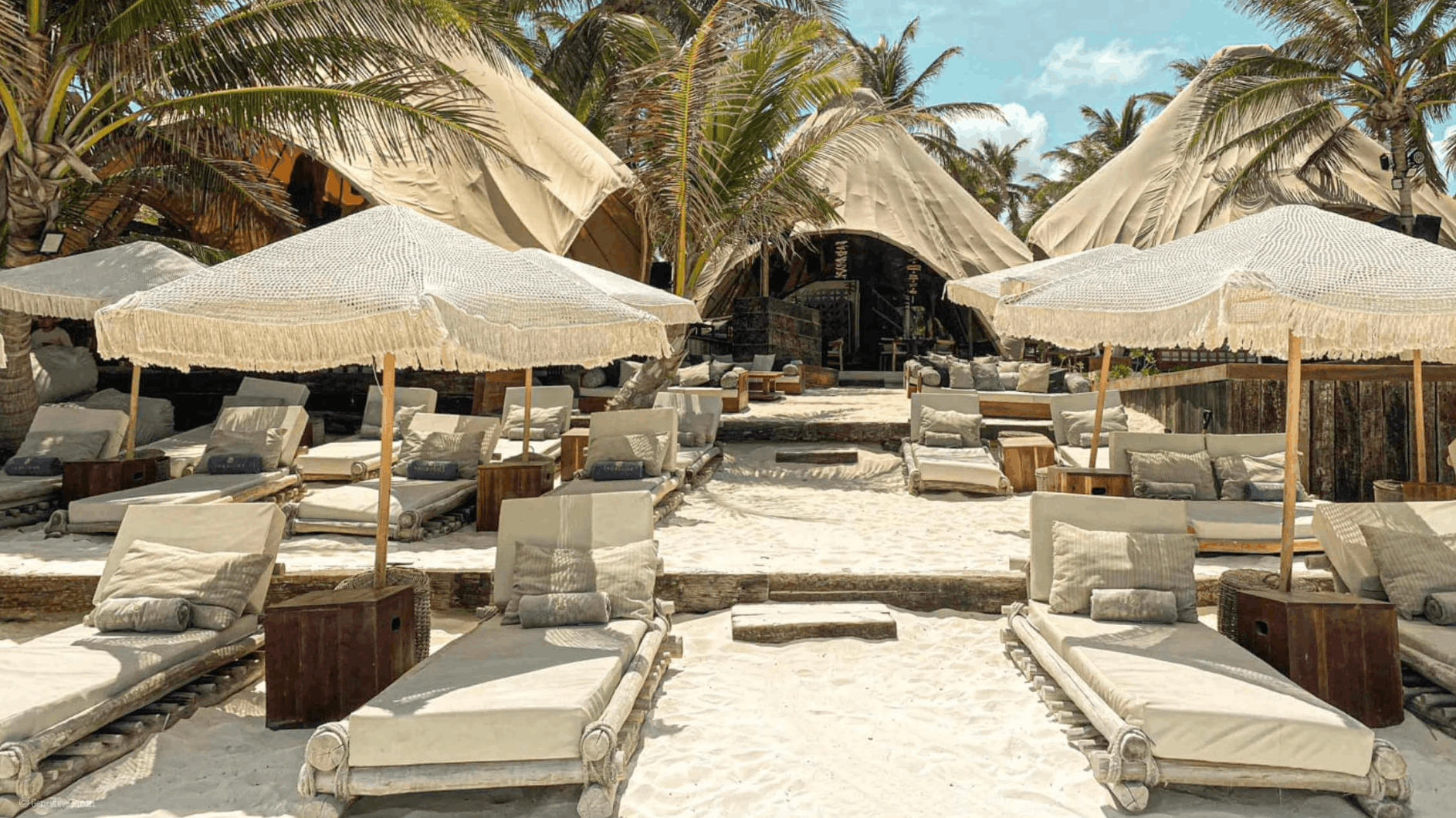
Discover Bay View Grand at Grand Island. Luxury Oceanfront Residences in Cancun’s Hotel Zone. Private Beach Access and Resort-Style Amenities. Learn more.
Los Cabos
Los Cabos is one of Mexico’s most established luxury markets.
Located at the southern tip of Baja California, it’s known for:
High-end gated communities
World-class golf courses
Luxury beachfront estates
Strong U.S. buyer presence
This market appeals to high-net-worth individuals, second-home buyers, and those looking for privacy and exclusivity.
It is typically higher price-point than the Riviera Maya, but it offers brand recognition and a very mature resale market.

Mérida
Mérida consistently ranks among the safest cities in Mexico and is often cited among the safest in the world.
It offers:
Stunning colonial architecture
A strong family-oriented culture
Some of the best private schools in the country
A growing international community
A slightly drier, more stable climate compared to the Caribbean coast
For retirees and families prioritizing safety, education, and traditional community values, Mérida is extremely attractive.
While it is not beachfront, some of the most beautiful Gulf Coast beaches like Progreso and Chicxulub are just 40 to 60 minutes away, making weekend beach days very accessible without living in a high-tourism environment.
What makes Mérida especially interesting in 2026 is the rise of master-planned communities that combine lifestyle, security, and long-term appreciation potential.
Two standout communities include:
Yucatán Country Club — one of the most prestigious gated communities in Mexico, known for its private golf course, luxury estates, and international-caliber amenities.
Country Lakes — a newer, thoughtfully designed master-planned community near Yucatán Country Club, offering access to green space, future lifestyle amenities, and strategic growth positioning. It has become especially attractive for families and long-term investors who want to build custom homes in a secure, structured environment.
For Americans looking to build their dream home rather than purchase a condo, Mérida presents a unique opportunity. Land options remain more accessible than in coastal markets, and the long-term growth trajectory of the city is strong.
This is not a “vacation” move.
This is a “build your life” move.
At Paradise Listings, we guide clients differently in Mérida than in beach markets. The focus shifts toward long-term community integration, school planning, custom builds, and appreciation over decades, not just rental yield.
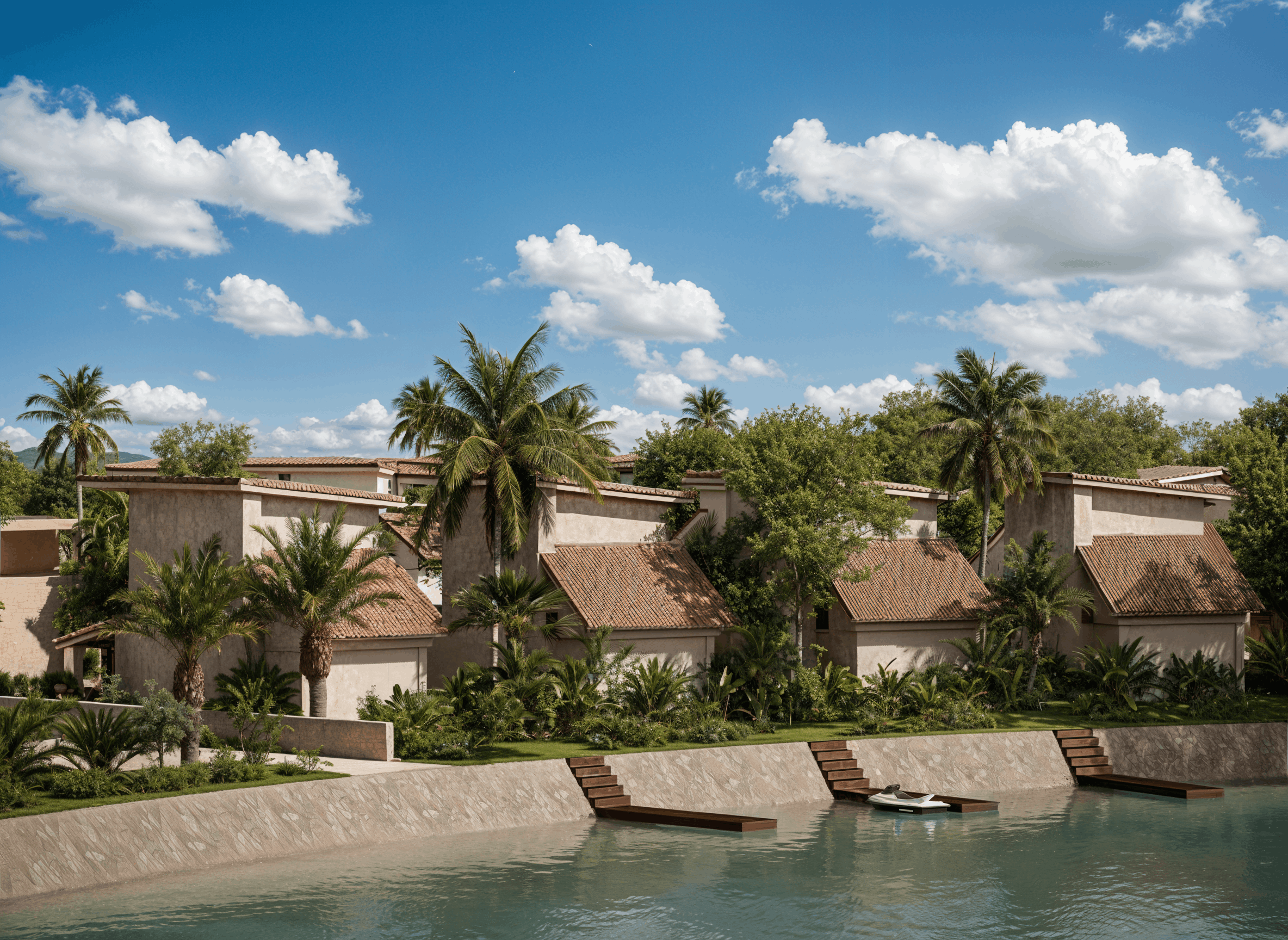
Country Lakes in Mérida offers the rare opportunity to build your dream home within a secure, master-planned community with navigable lakes. Learn more.
Mexico City
Mexico City is dynamic, global, and culturally rich.
It offers:
World-class restaurants
Museums and arts
Corporate headquarters
International connectivity
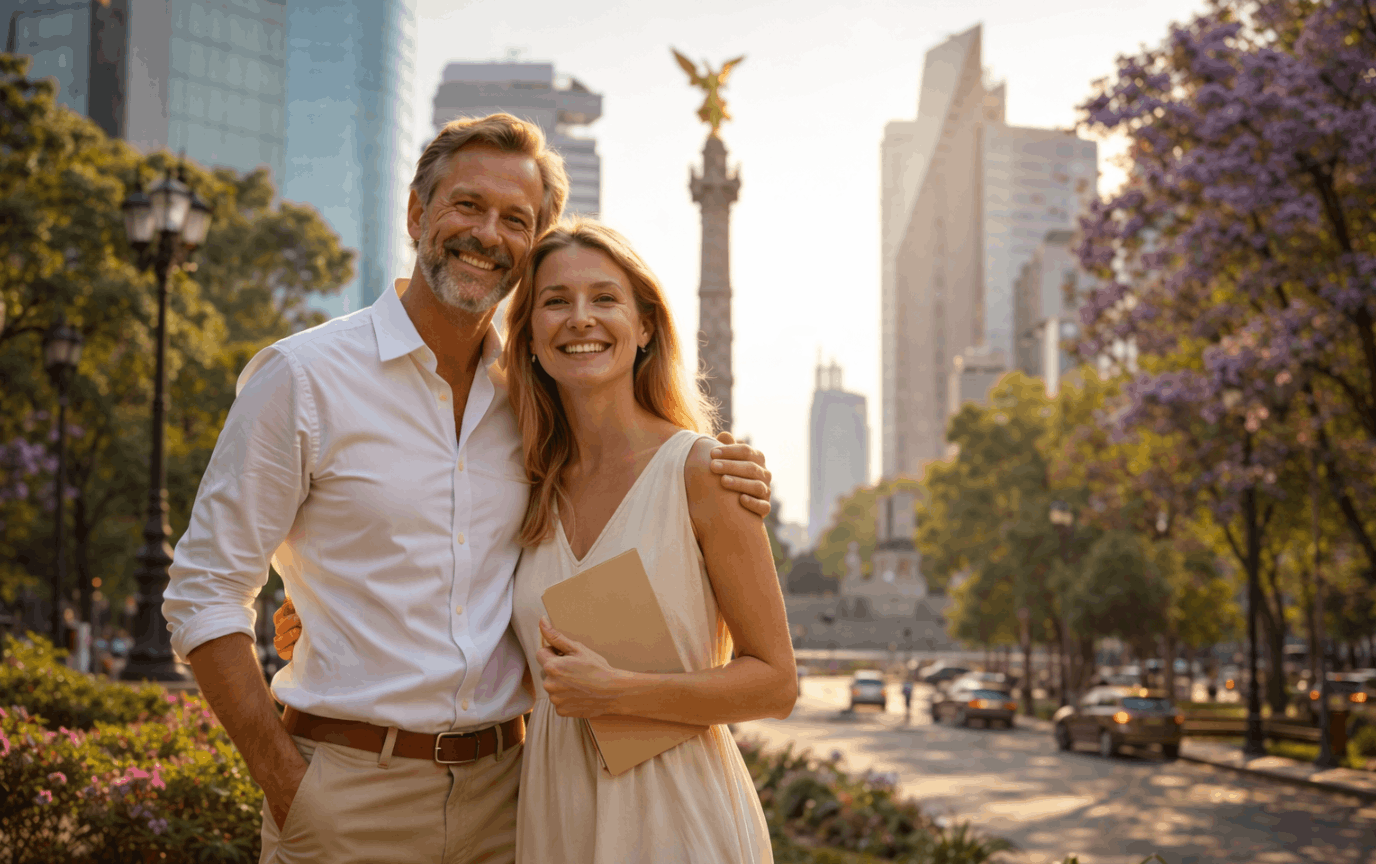
Neighborhoods like Polanco, Roma Norte, and Condesa are popular among Americans choosing to relocate to Mexico.
How to Choose
When we guide Americans through relocation, we focus on alignment:
Are you optimizing for lifestyle, investment, or a mix of both?
Do you want beach, jungle, or city?
Are you retiring, raising a family, or working remotely?
How important is resale liquidity?
What price point aligns with your long-term plan?
The right location is not about trends. It’s about clarity.
And once you’ve decided where you want to build your life, the next step becomes practical and logistical: preparing for the Move.
Preparing for the Move
Once you’ve chosen your city and clarified your residency pathway, the next phase is preparation.
This is where excitement meets logistics and where thoughtful planning makes all the difference.
At Paradise Listings, we encourage clients to treat relocation like a structured transition, not a leap of faith. The smoother your preparation, the smoother your first six months in Mexico will feel.
Here’s what to think about before you pack your bags.
Organize Legal and Immigration Documents
Before moving, make sure you have:
Valid passports (with at least 6+ months remaining)
Residency approval documents (if applicable)
Birth certificates and marriage certificates (apostilled if needed)
Financial statements (often required for residency or banking)
If you’re purchasing property, this is also the moment to coordinate with your legal team regarding ownership structure, bank trust setup (if buying in a restricted zone), and closing timelines.
We help our clients sequence this properly so immigration, banking, and real estate timelines align.
Understand Your Financial Setup
Moving to Mexico doesn’t mean disconnecting from the U.S. financial system.
Before relocating, consider:
Keeping your U.S. bank accounts active
Informing your bank of international activity
Understanding currency exchange strategy
Speaking with a cross-border tax advisor
Many Americans open Mexican bank accounts after obtaining residency, but this isn’t mandatory right away. Structuring your finances intelligently from the beginning prevents unnecessary friction later.
Healthcare Planning
Even if you’re in good health, have a plan.
Research private insurance options in Mexico
Understand hospital locations in your chosen city
Transfer copies of medical records
One of the advantages Americans discover is how accessible and affordable private healthcare can be, but preparation still matters.
Housing: Rent First or Buy?
This is one of the most common questions we receive.
There’s no one-size-fits-all answer.
Some clients prefer to rent for 6–12 months before purchasing. Others feel confident buying immediately, especially when they’ve visited multiple times and done due diligence.
What matters is clarity.
If you plan to buy, we recommend beginning your property search early (even if your move is months away) so you understand pricing, neighborhoods, and inventory cycles.
At Paradise Listings, we often work with clients 3–12 months before their physical relocation to create a strategic plan rather than a rushed purchase.
Downsizing and Logistics
International moves require simplification.
You’ll need to decide:
What to sell
What to ship
What to store
What to replace locally
Many Americans are surprised at how much easier it is to furnish and design a home in Mexico than expected, especially in cities with established infrastructure like Playa del Carmen, Cancun, Mérida, or Mexico City.
In some cases, buyers choose furnished properties to simplify the transition.
Emotional Preparation
This part is often overlooked.
Moving countries is not just logistical. It’s emotional.
Even when you’re excited, there will be moments of uncertainty. That’s normal.
The key is having the right support system and realistic expectations for your first few months.
We always remind clients: the goal is not perfection. It’s integration.
Preparing well transforms relocation from stressful to empowering.
And once you arrive, the real journey begins.
Next, we’ll talk about what it actually feels like to settle in and adjust to life in Mexico.
Settling In and Adjusting to Life in Mexico
The first few months after you move to Mexico are a mix of excitement and adjustment.
Even when everything goes smoothly, you’re still building a new rhythm — new grocery stores, new systems, new language patterns, new social circles. It’s normal for the honeymoon phase to be followed by moments of “Did we really do this?”
The answer, of course, is yes. And with the right mindset, this phase becomes one of the most rewarding parts of the journey.
Creating Your Daily Rhythm
One of the biggest shifts Americans notice is pace.
Life in Mexico, especially outside of major financial districts like Mexico City, tends to move differently. There is more flexibility. More relationship-building. More appreciation for the present moment.
Appointments may run later than you’re used to. Processes can feel less rigid. At first, this can feel frustrating. Then, for many people, it becomes freeing.
Settling in means adjusting expectations and leaning into a different cultural tempo rather than fighting it.
Building Community
Community is what turns a relocation into a home.
In places like Playa del Carmen, Puerto Vallarta, Los Cabos, and Mérida, there are strong international communities. You’ll meet retirees, entrepreneurs, remote professionals, and families who made the same leap.
But the goal isn’t just to find other Americans. It’s to integrate locally.
Learning basic Spanish (even conversational level) makes a tremendous difference. Supporting local businesses. Getting to know your neighbors. Participating in cultural events.
Mexico is incredibly welcoming, especially when you show respect and effort.
Navigating Practical Systems
There are practical adjustments too:
Setting up utilities
Understanding HOA rules
Registering for residency renewals
Finding trusted doctors, accountants, and service providers
This is where having the right real estate advisory team matters.
At Paradise Listings, our relationship with clients doesn’t end at closing. We often help connect buyers with property managers, insurance providers, interior designers, contractors, and trusted legal professionals.
Relocation isn’t a transaction. It’s a transition.
Embracing Cultural Differences
Mexico has deep traditions, strong family values, and a different relationship to time and formality.
Holidays are celebrated differently. Business culture can be relationship-driven. Bureaucracy requires patience.
The Americans who thrive here are the ones who approach differences with curiosity rather than comparison.
You’re not trying to recreate the U.S. in Mexico. You’re building something new.
The Financial and Lifestyle Reality
After the initial adjustment period, many Americans notice:
Lower daily stress
More outdoor living
More time spent socializing
A higher perceived quality of life
For retirees, that can mean stretching retirement savings further.
For remote professionals, it can mean working fewer hours while living better.
For investors, it can mean owning property in high-growth markets while enjoying part-time residency.
The key to settling in successfully is alignment.
If you chose your location thoughtfully, structured your move intelligently, and worked with experienced professionals, the transition becomes smoother.
And that brings us to the bigger picture.
Final Thoughts: Moving to Mexico from U.S.
Moving to Mexico from the United States in 2026 is not just a lifestyle decision. It’s a strategic one.
It requires understanding residency pathways, financial planning, local market dynamics, and long-term goals. But when done correctly, it can unlock a level of freedom, flexibility, and quality of life that many Americans are actively seeking.
At Paradise Listings, we believe relocation should be intentional.
We guide our clients through:
Market selection
Property due diligence
Ownership structure
Legal coordination
Long-term investment positioning
Whether you’re retiring, investing, building a custom home in Mérida, or purchasing a beachfront condo in the Riviera Maya, the goal is the same: make the move secure, intelligent, and aligned with the life you’re designing.
If you’re considering moving to Mexico from the USA, the first step is clarity.
And that conversation is where we begin. Start exploring your options with one of our trusted advisor.
FAQ
-
No. Americans can legally purchase property in Mexico without residency. In coastal areas, ownership is structured through a bank trust (fideicomiso), which gives you full beneficiary rights similar to ownership in the U.S.
-
No. Purchasing property in Mexico does not automatically grant residency. Real estate ownership and immigration status are separate processes. However, property ownership can support your overall relocation plan, and we help clients structure both strategically.
-
The initial consulate appointment in the U.S. can take a few weeks to schedule. After approval, you typically finalize residency in Mexico within 30 days of entry.
-
Opening a Mexican bank account is generally easier once you have residency. However, many Americans manage finances using U.S. accounts and international transfers.
-
Most U.S. insurance plans do not provide full coverage in Mexico. Many expats purchase private Mexican health insurance, which is often significantly more affordable than U.S. plans.
-
es. U.S. citizens must continue filing U.S. taxes regardless of where they live. However, tax treaties and exclusions may reduce double taxation. We recommend speaking with a cross-border tax professional.
-
Safety varies by region, just like in the U.S.. Destinations that are popular with American expats and retirees like the Riviera Maya are generally considered safe. That said, choosing the right neighborhood matters.
-
Yes. U.S. citizens can apply for Temporary or Permanent Residency through a Mexican consulate in the United States. Many retirees and remote professionals qualify based on income or savings requirements.